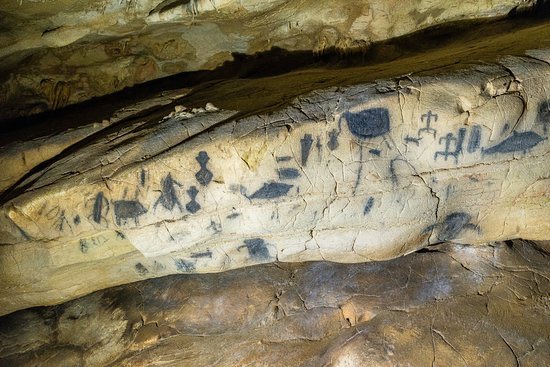
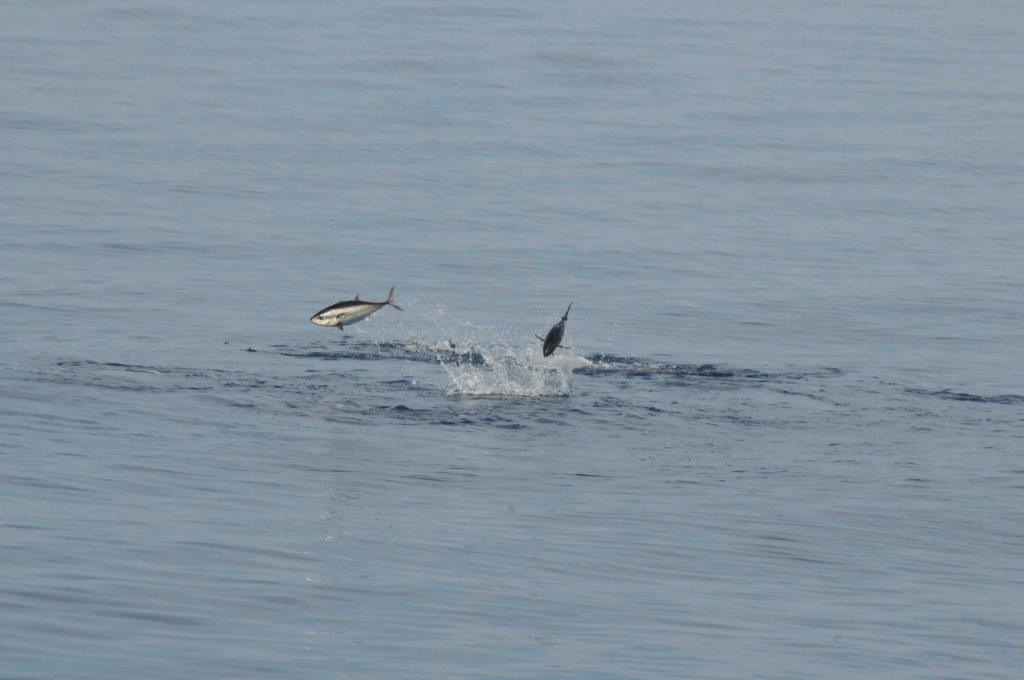
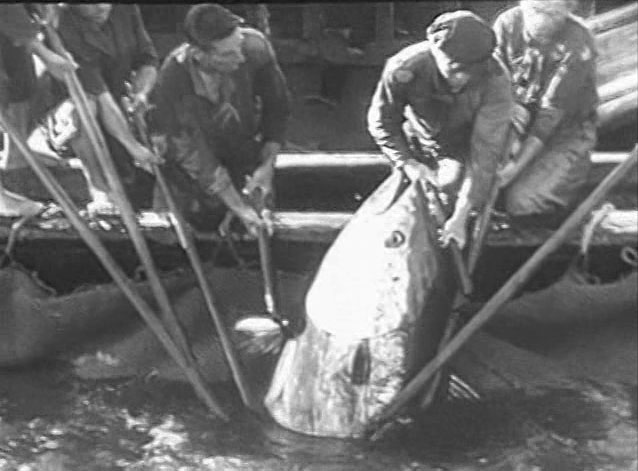
In the Mediterranean basin, the Atlantic bluefin tuna has been exploited since the Neolithic period, as attested by the rock engravings in the caves of Levanzo Island, near Sicily (photo below, far right: it is a tuna and not a dolphin!).
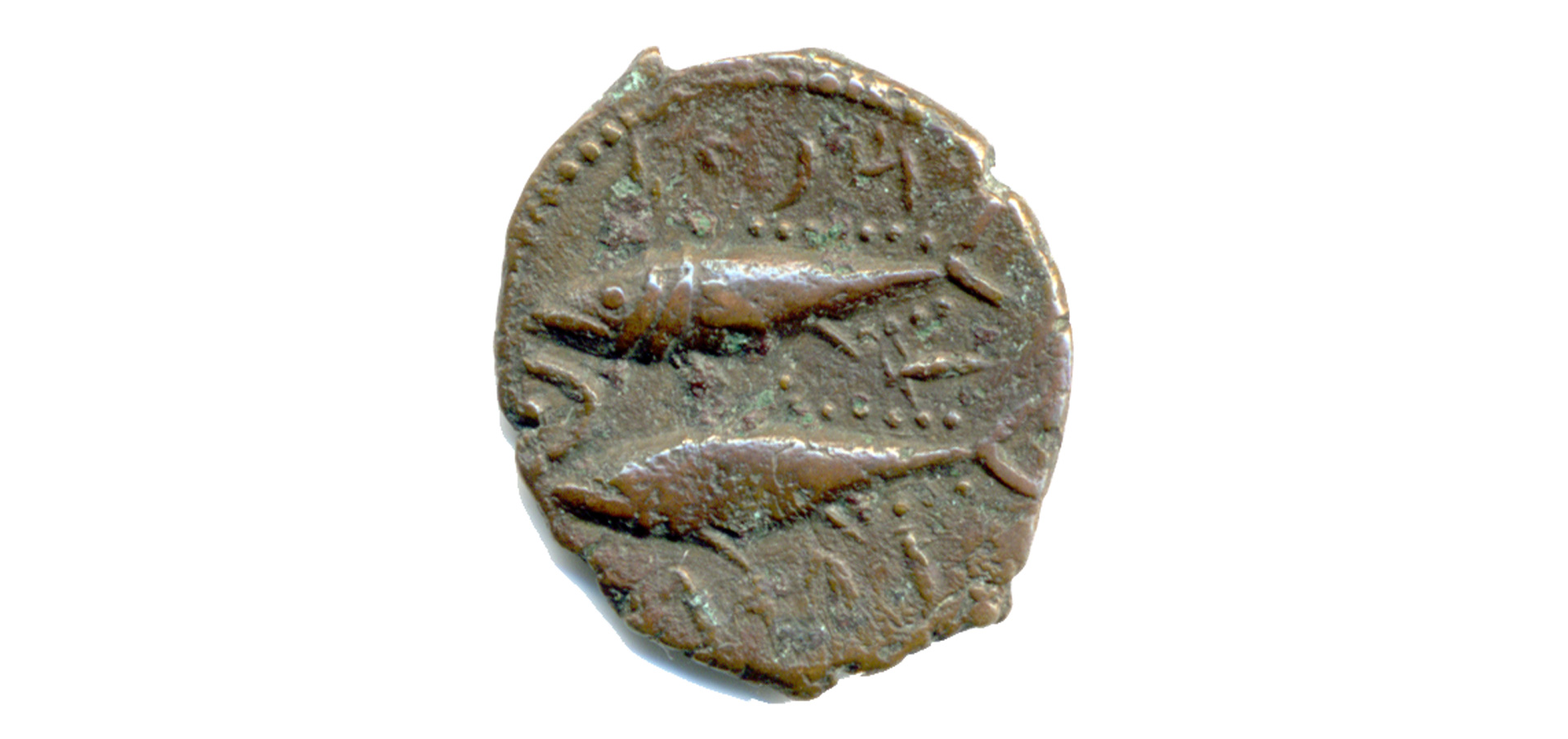
It is also present on this Greco-Hispano-Carthaginian bronze coin (200 to 100 B.C.), originating from Gades or Carthago Nova, a Greek city in Spain. Coll. Oceanographic Institute.
A star of Japanese cuisine
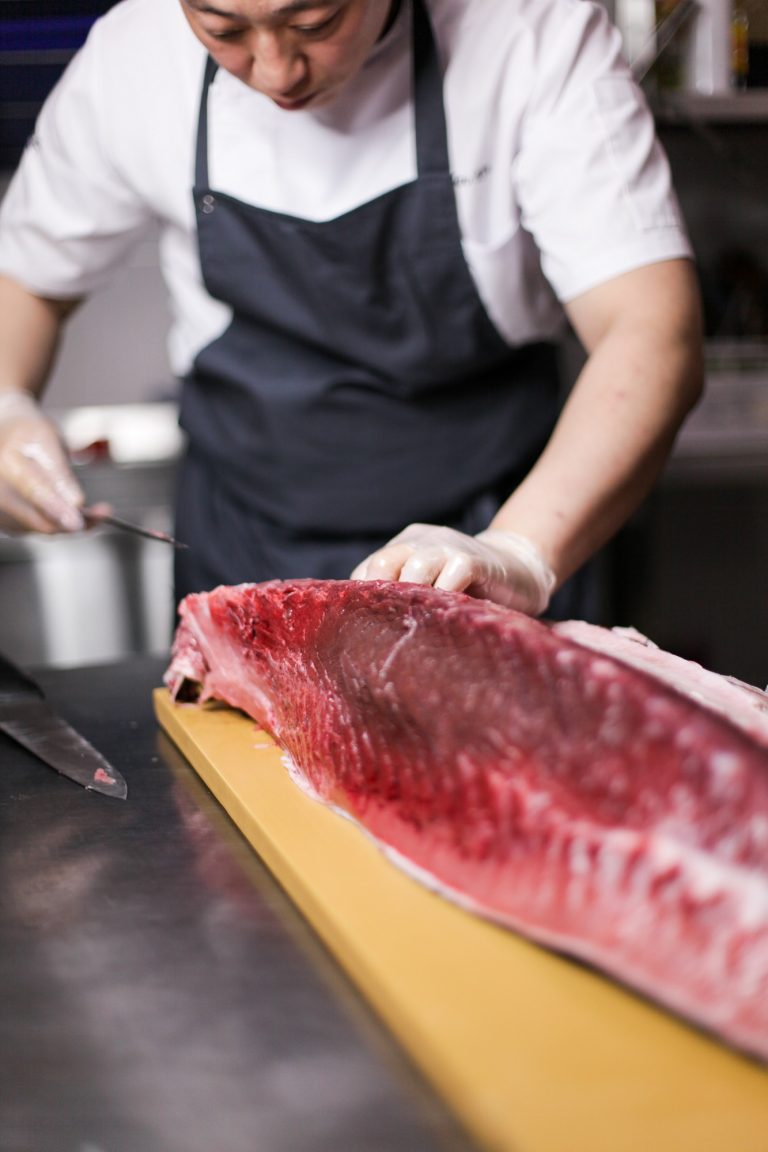
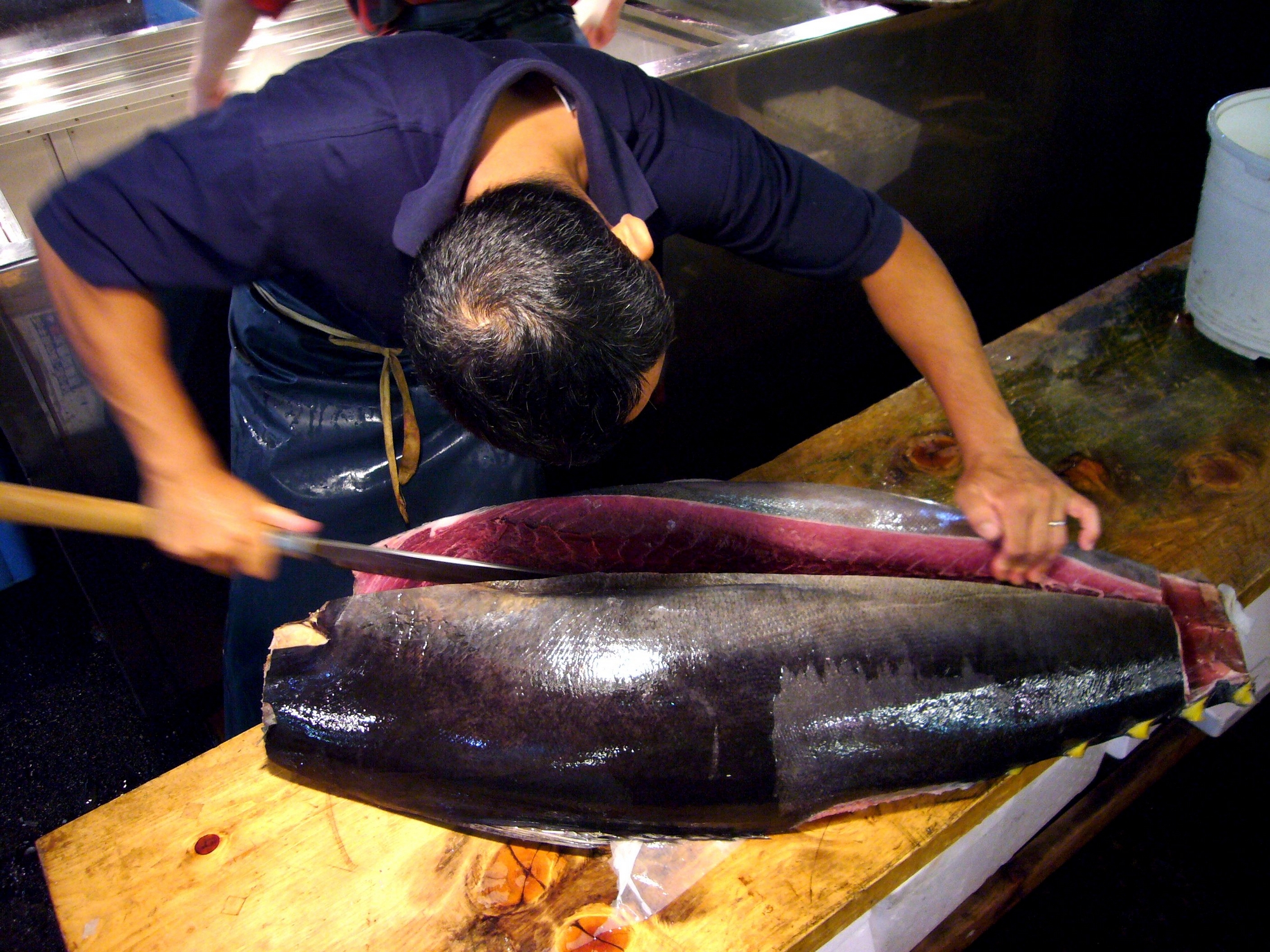
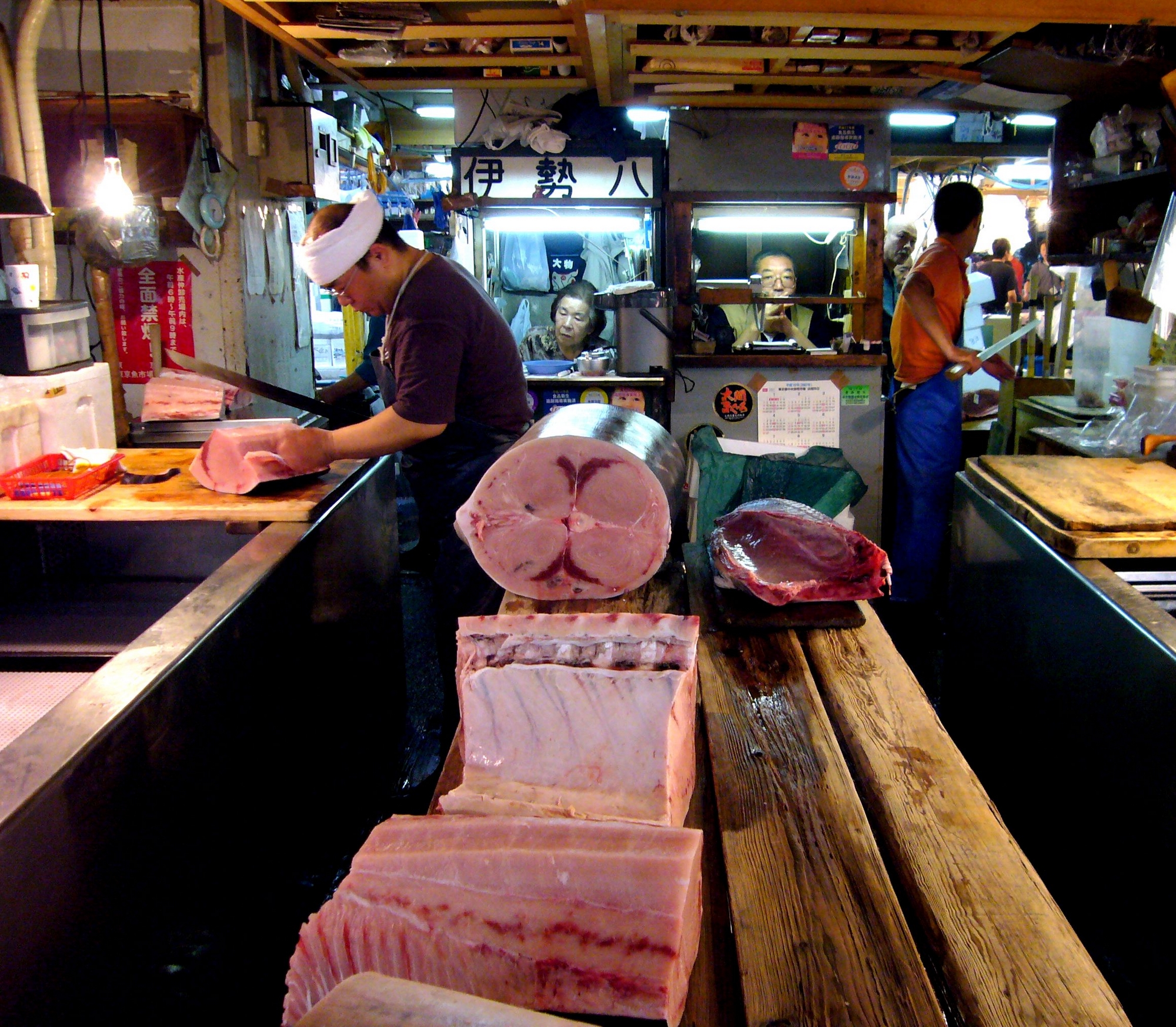
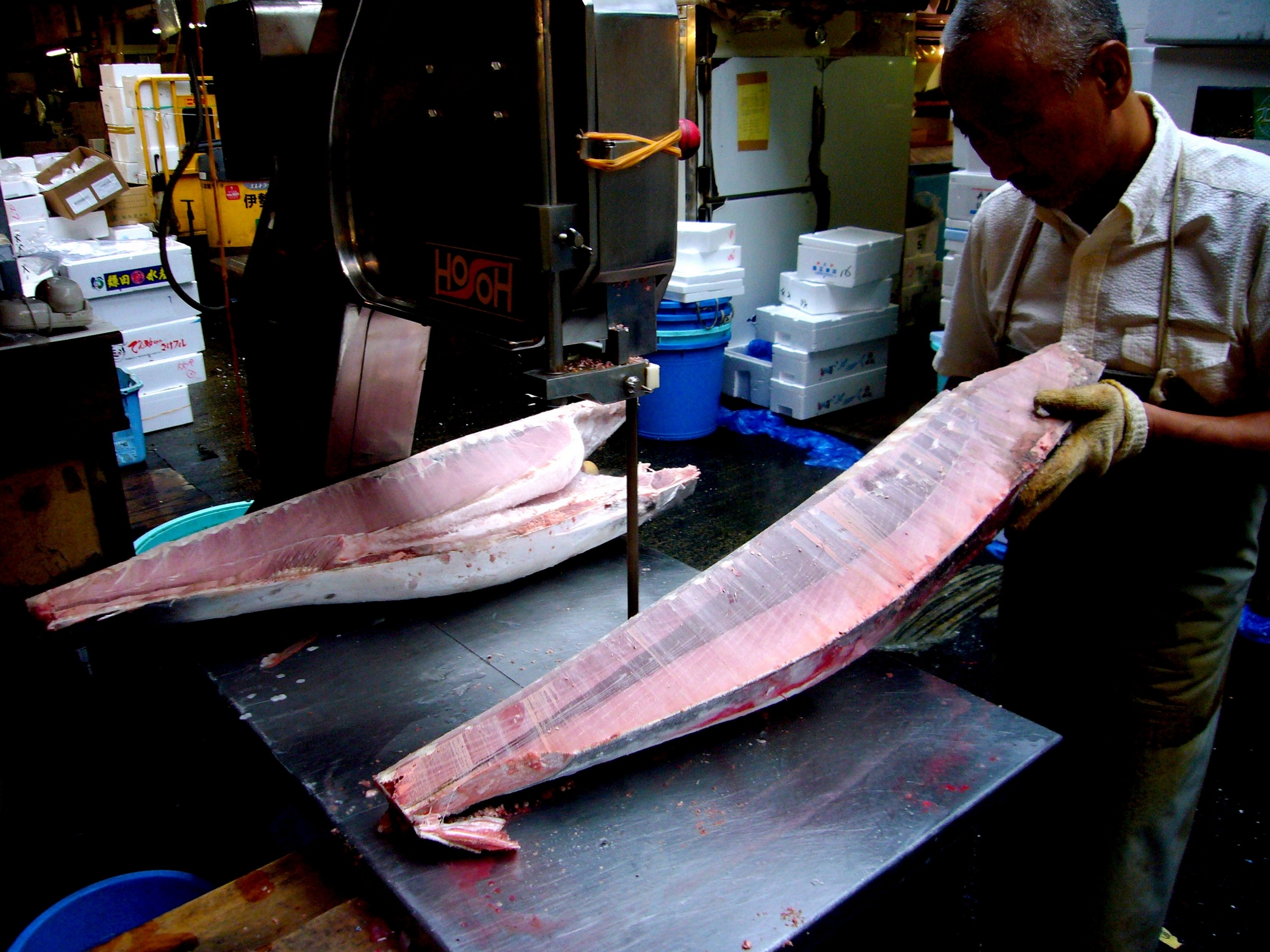
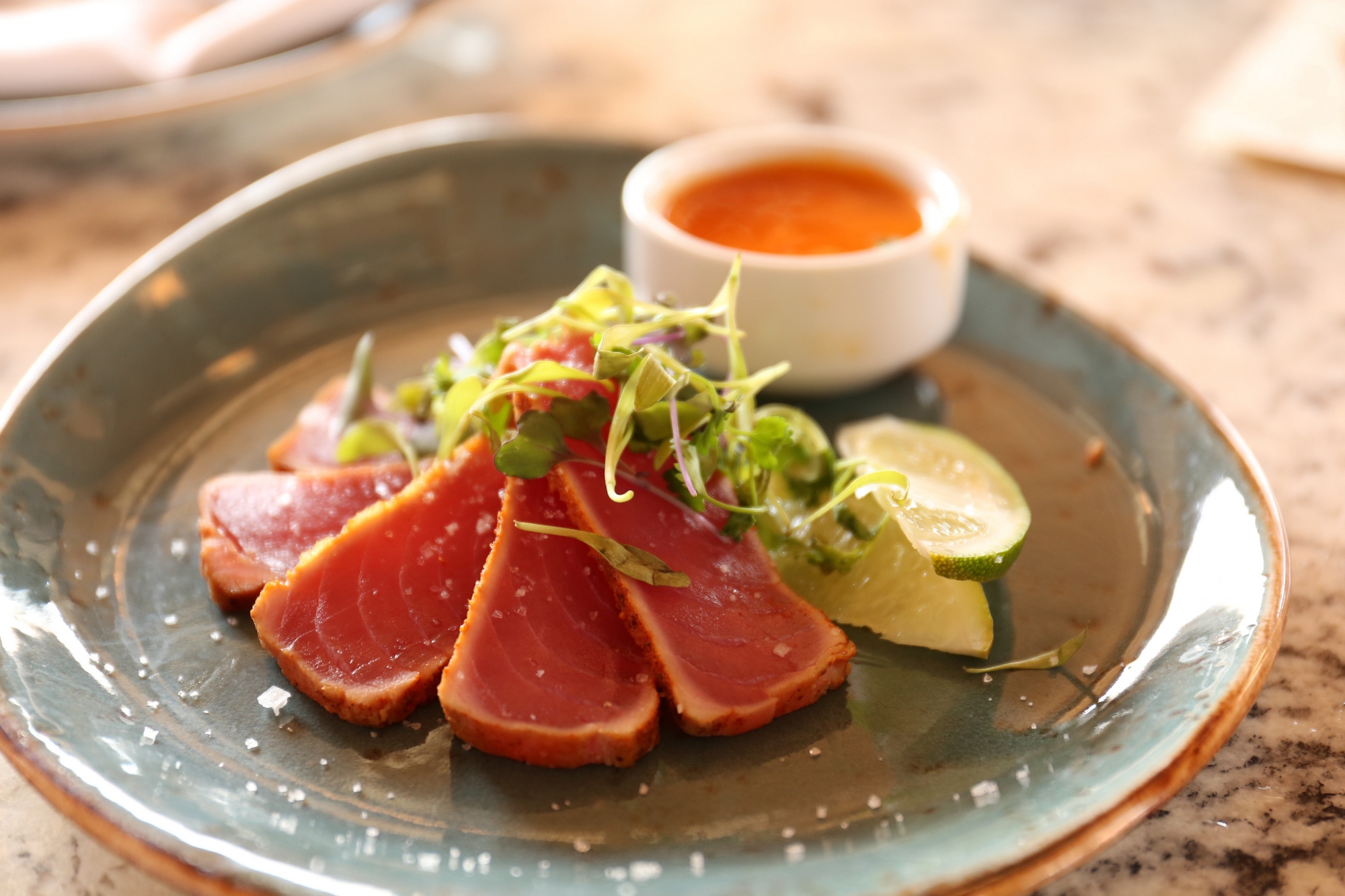
Today, bluefin tuna is used to make sashimi and sushi for health-conscious Japanese consumers. Other tunas (skipjack, albacore, yellowfin) are used more in canned and other prepared and preserved products.
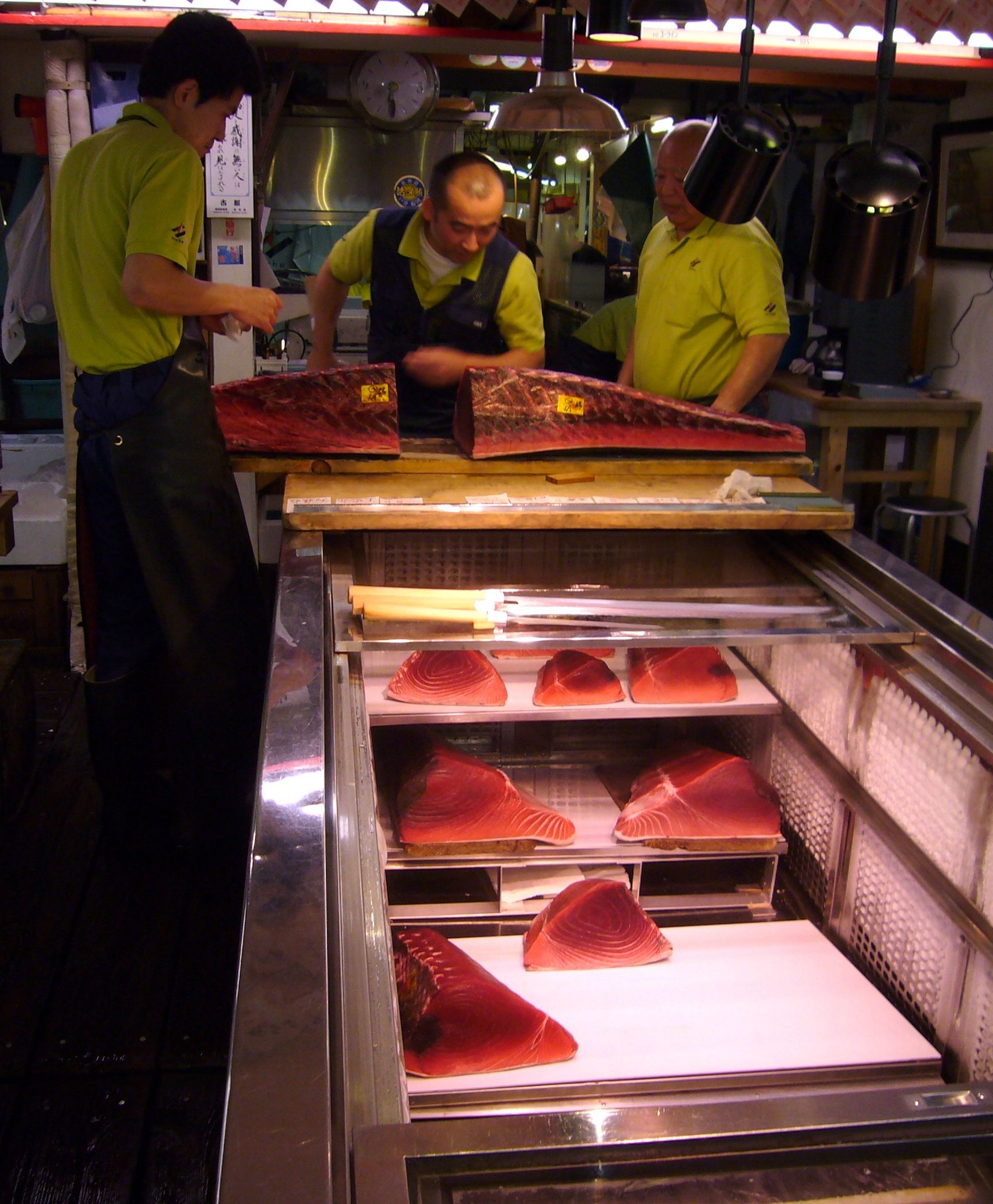
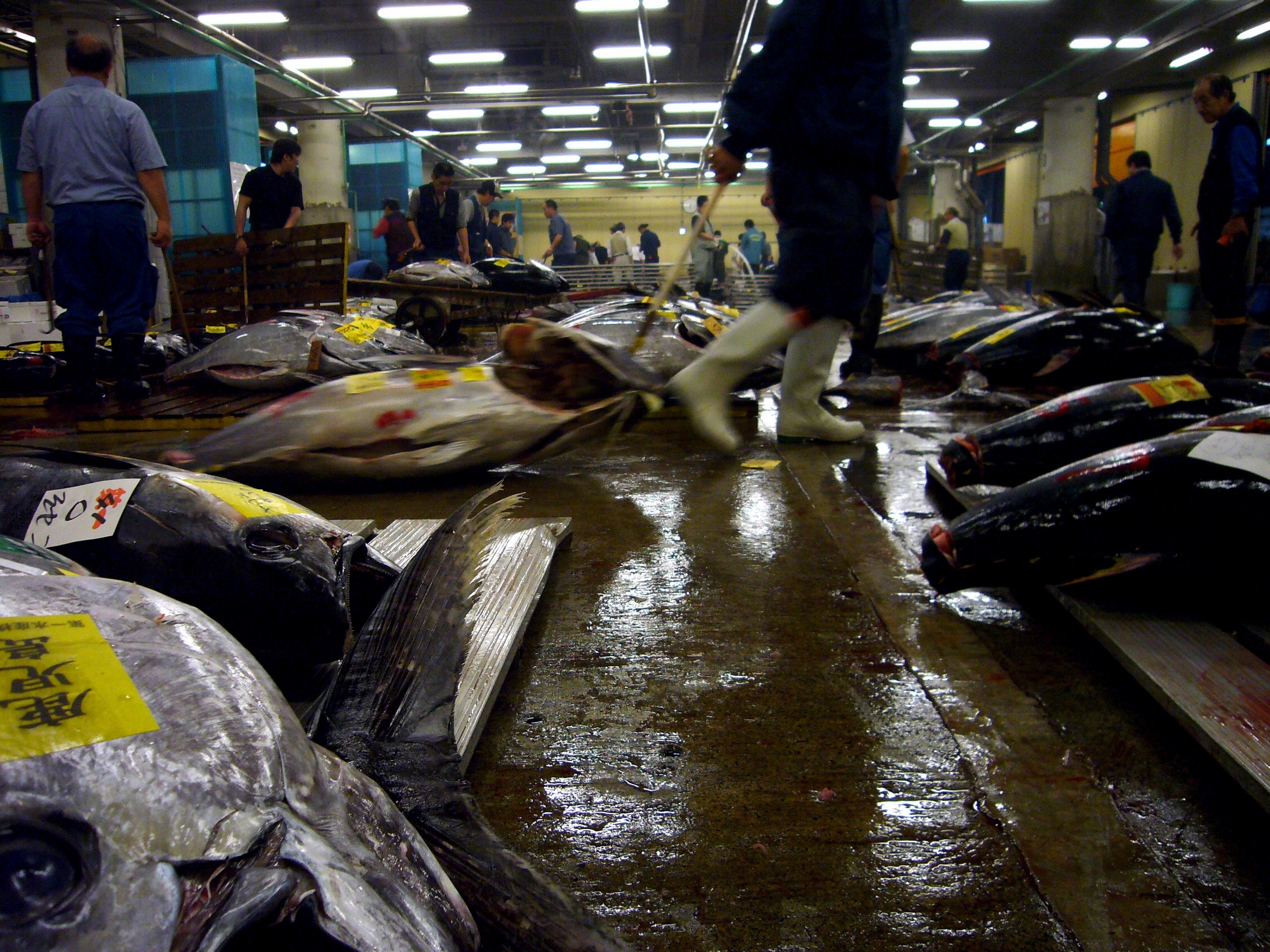
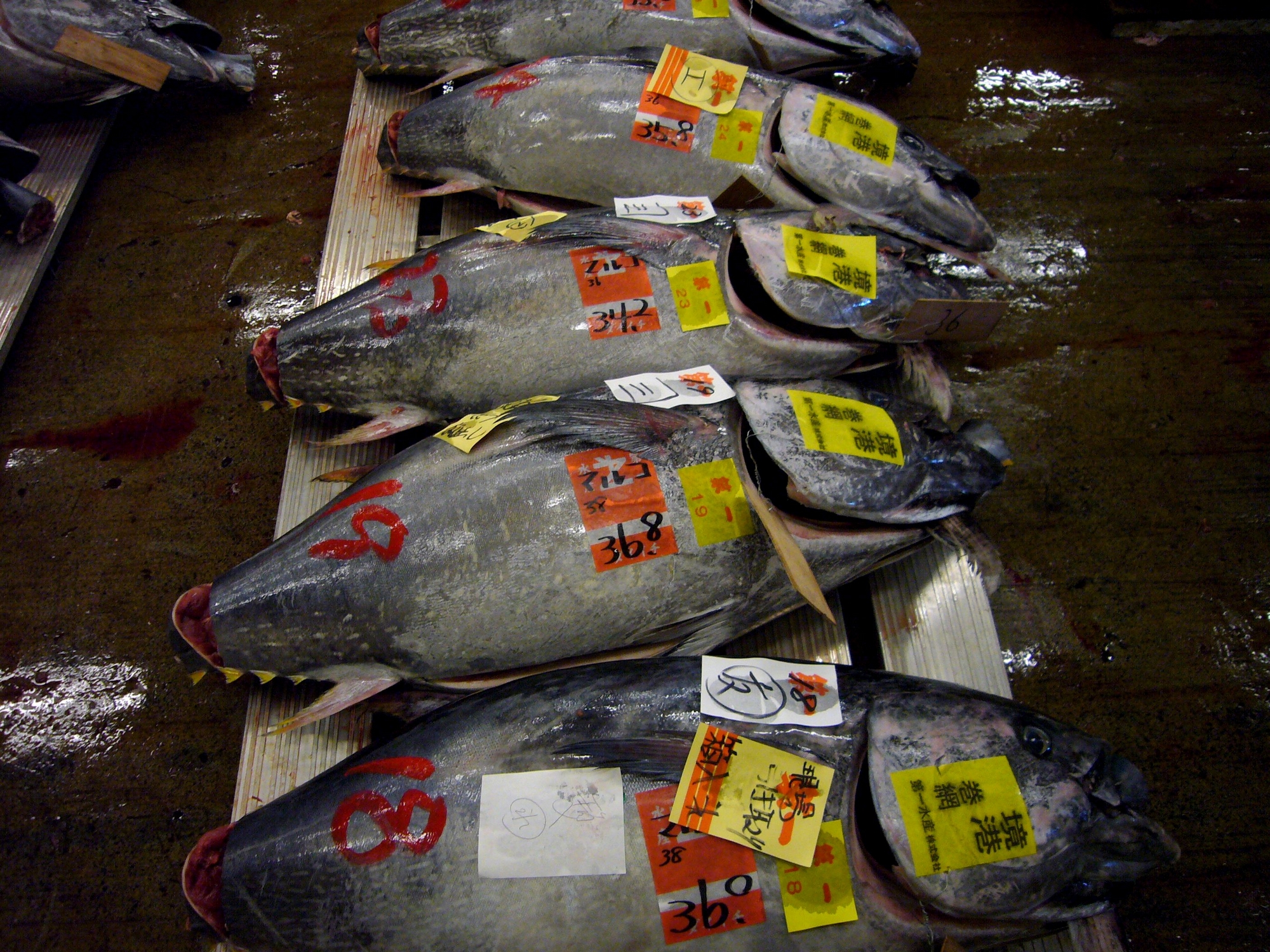
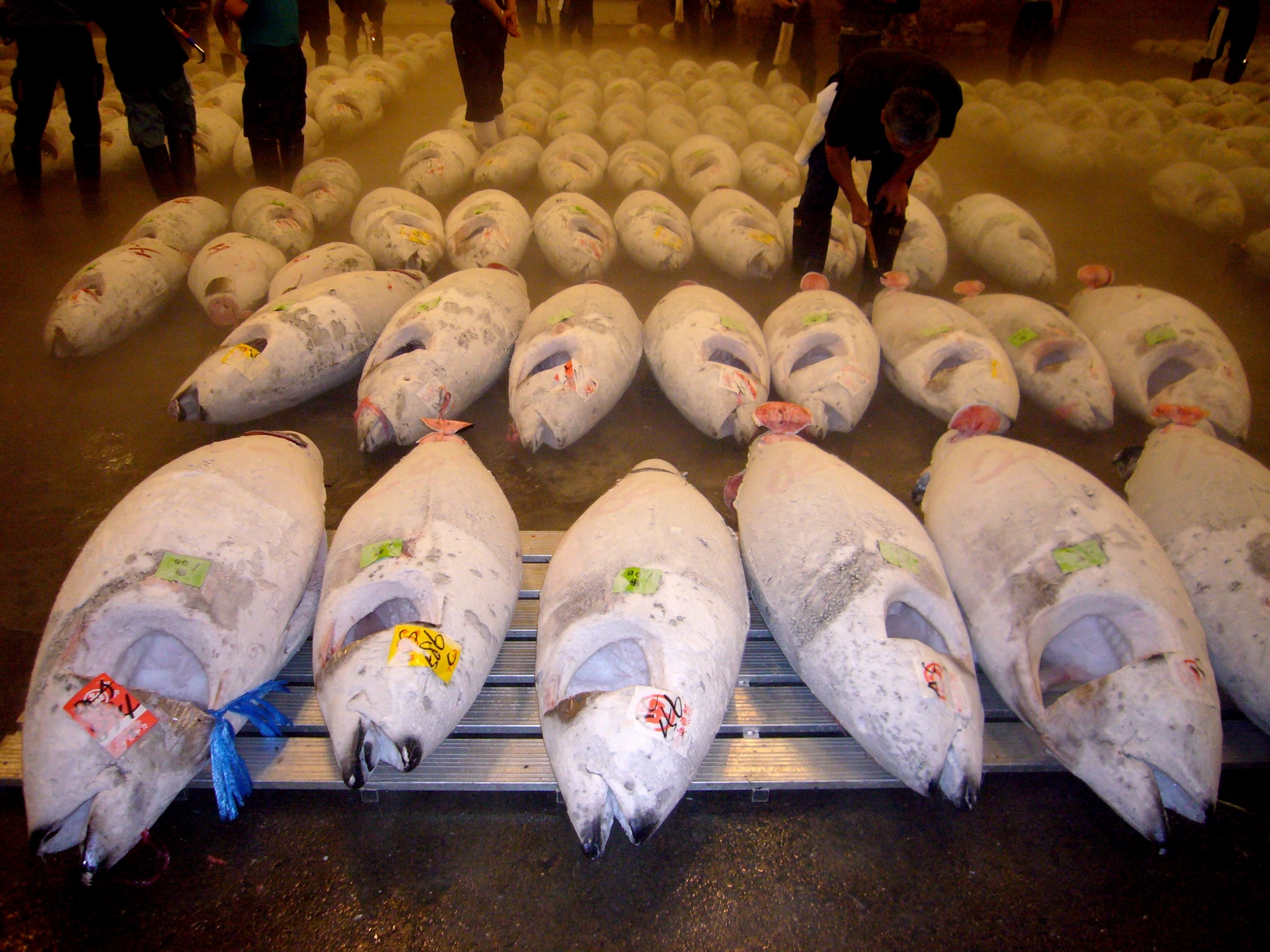
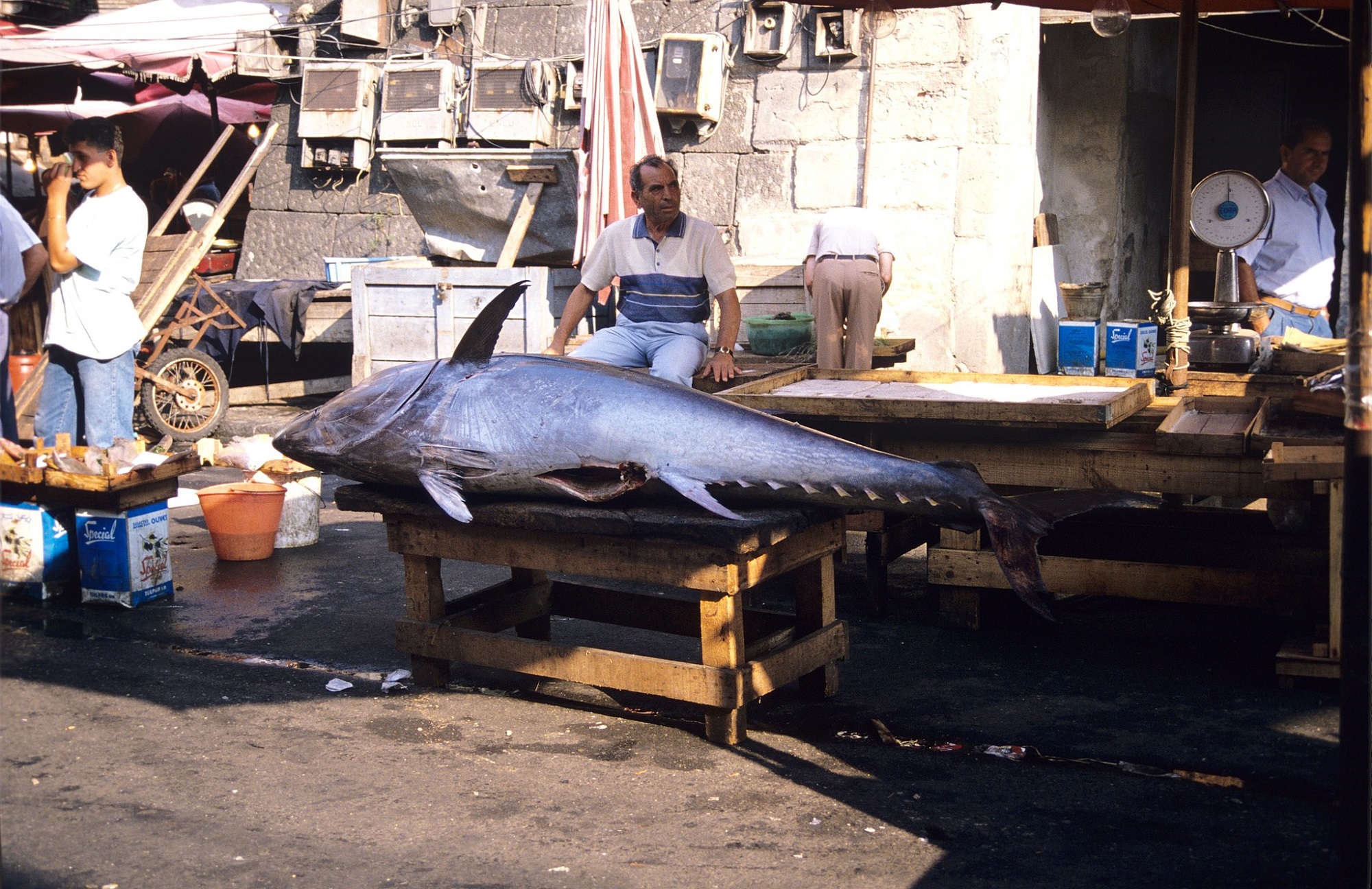
Premium bluefin tuna are reaching record prices. In On January 1, 2019, at the Tokyo New Year’s auction, aPacific bluefin tuna (Thunnus orientalis cousin of the Atlantic bluefin tuna Thunnus thynnus) weighing 278 kg, caught in northern Japan, was auctioned for the incredible sum of 2.7 million euros!
Bluefin tuna at Tsukiji market, Japan.
François Simard
Mediterranean tuna is exported...
In the Mediterranean basin, more than 20 countries exploit bluefin tuna, which makes it a highly shared marine resource that can only be managed within an international framework. Over the last two decades, 60% of the catches have been made by France, Spain, Italy and Japan, giving these countries a particular responsibility.
The vast majority of bluefin tuna caught in the Mediterranean by industrial fisheries is destined for aquaculture and the fattening activity that supplies the Japanese market.
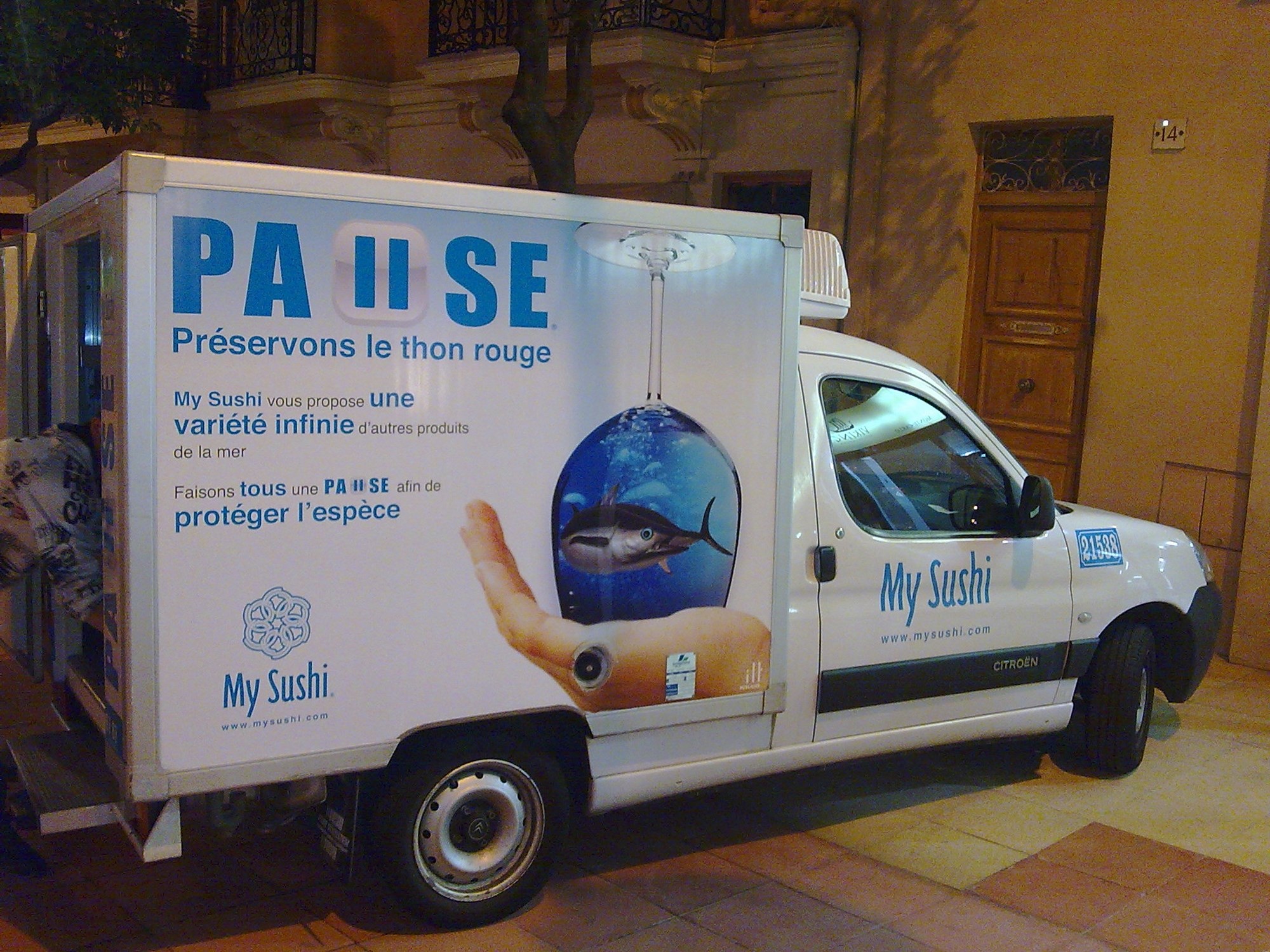
A few years ago, with stocks on the verge of collapse, bluefin tuna consumption was widely discouraged, leading the Principality of Monaco to adopt a consensus moratorium on its consumption. With stocks now in better shape, it is possible to eat bluefin tuna, but with great care. Ethic Ocean suggests limiting the quantity consumed, favouring the origin “East Atlantic and Mediterranean ” and choose specimens fished with a rod, of more than 30 kg (thus at sexual maturity). On the other hand, the consumption of bluefin tuna from the original stock should be avoided. Western Atlantic ” and the other overexploited tuna species, Pacific bluefin tuna(Thunnus orientalis) and Southern bluefin tuna(Thunnus maccoyii) when they come from the southern part of the 3 oceans.
What criteria should be applied?
For Mr.Goodfish Under the Prince Albert II Foundation’s sustainable consumption programme, bluefin tuna can be eaten but only if it is wild, comes from certain fishing areas (mainly the Atlantic) and is caught outside its breeding period at a recommended minimum size of 120 cm.
Taylor grote
The labels
Some labels offer bluefin tuna fished in a responsible manner in accordance with the regulations in force and the specifications specific to the fishing method (longline, pole and line). It concerns bluefin tuna fished by line and includes the right actions to take when catching “by-catch” species (sharks, pelagic rays, sea turtles, birds).
Our best advice:when you buy tuna or other seafood products, be curious and demanding! Do not hesitate to ask questions to the salesman or the restaurant owner, they are there for that! Try to identify the species you are consuming, where it was caught or produced, the method used and how it was sustainably caught or farmed. Never buy bluefin tuna from recreational or sport fishing, it is forbidden!
” to a fisheryusing longline (large lines with hooks) in the eastern Atlantic Ocean (55 tons caught in 2018). This decision comes after an independent legal expert found that the company’s measures fully met the criteria for sustainable fishing. Other fisheries are reportedly in the process of applying for certification.
As a precautionary measure, in view of the scientific uncertainties about the state of the stock, some NGOs are currently opposed to any certification of Atlantic bluefin tuna. For the WWF , “the MSC certification of bluefin tuna is an alarming signal that the outcome is driven by industry demand rather than scientific evidence of sustainability… This may be a dangerous trend that may threaten the full recovery of bluefin tuna and our ability to restore the health of the world’s oceans by 2030.”
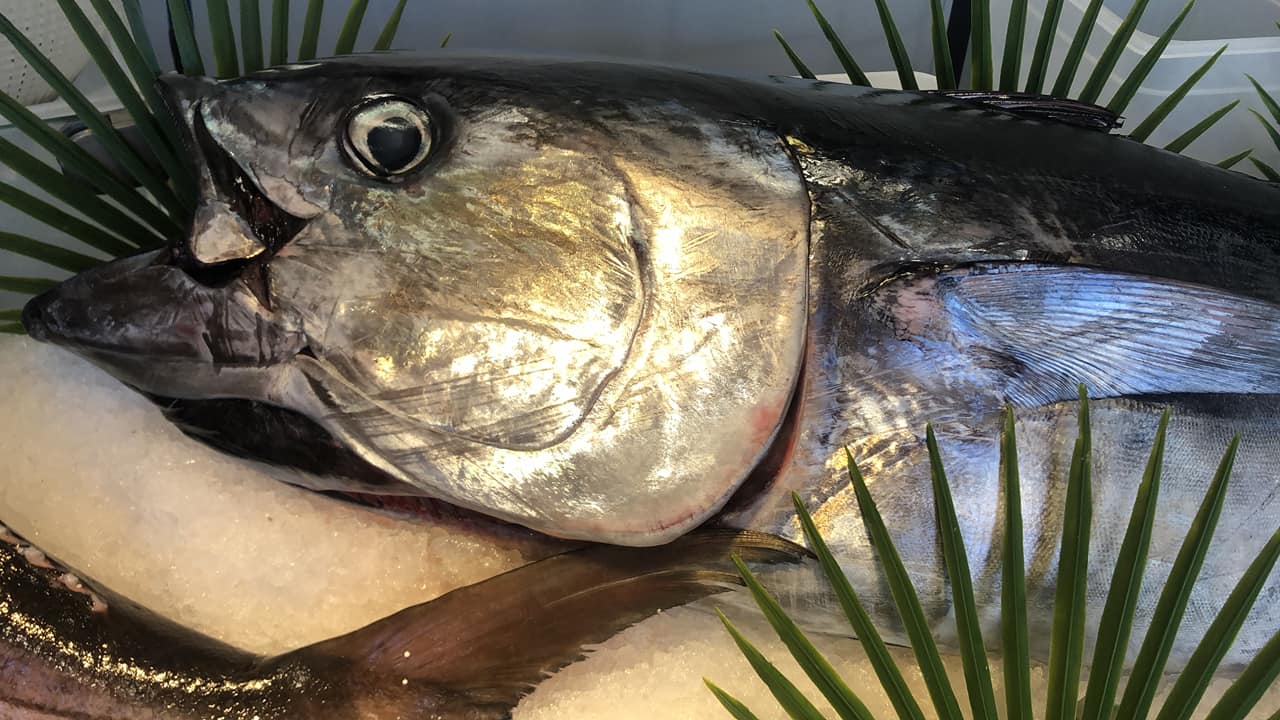
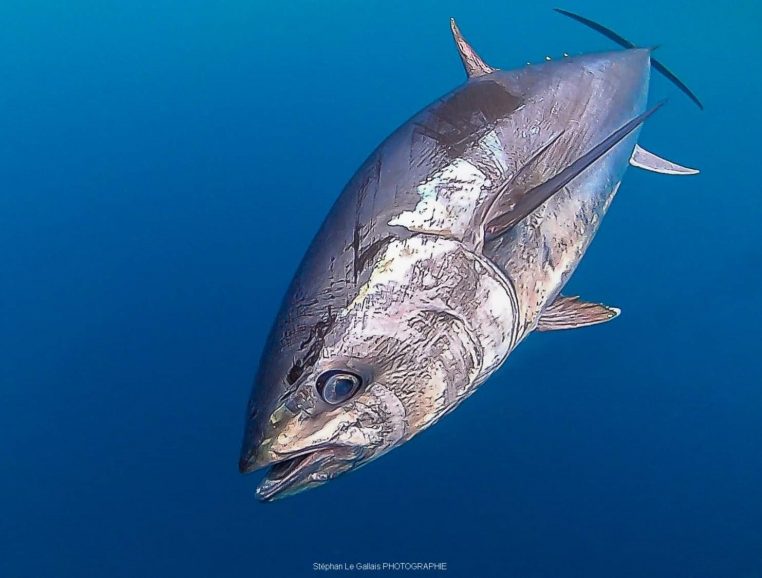
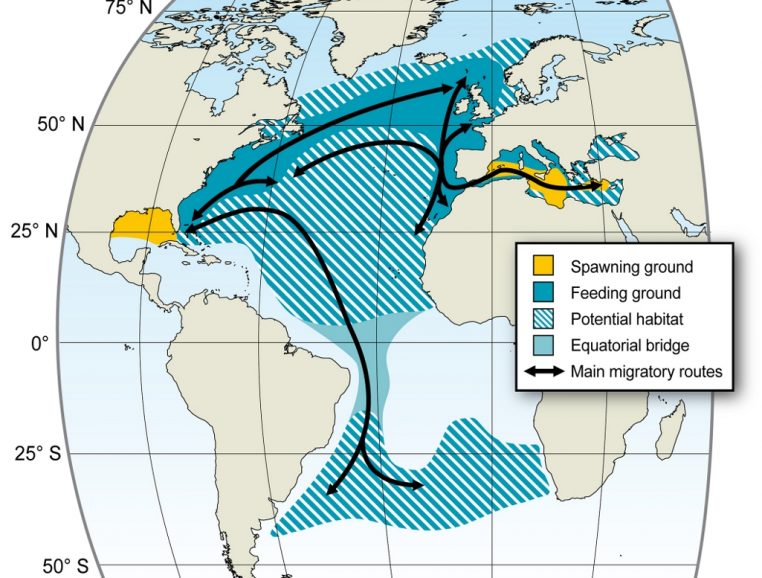
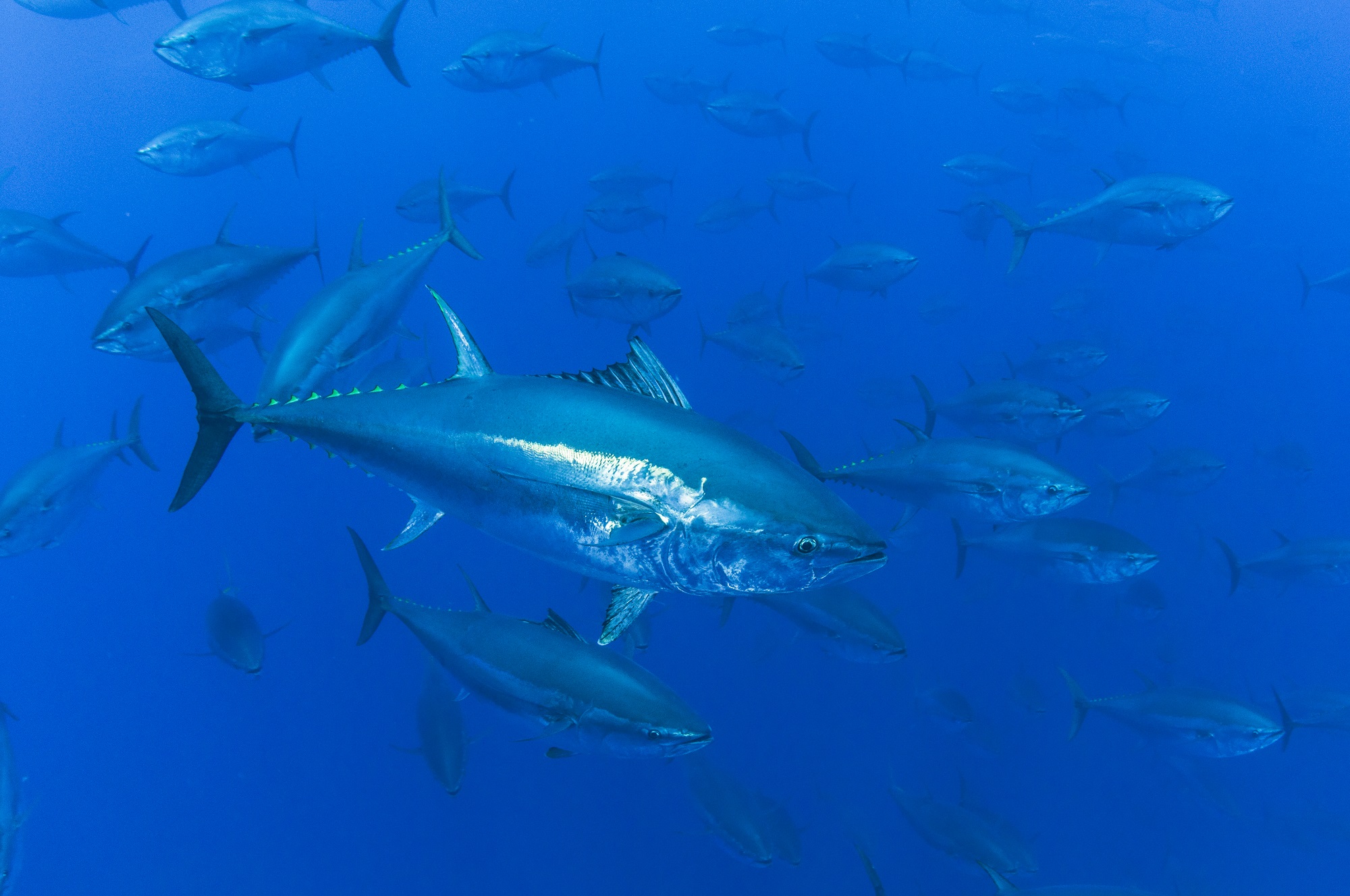
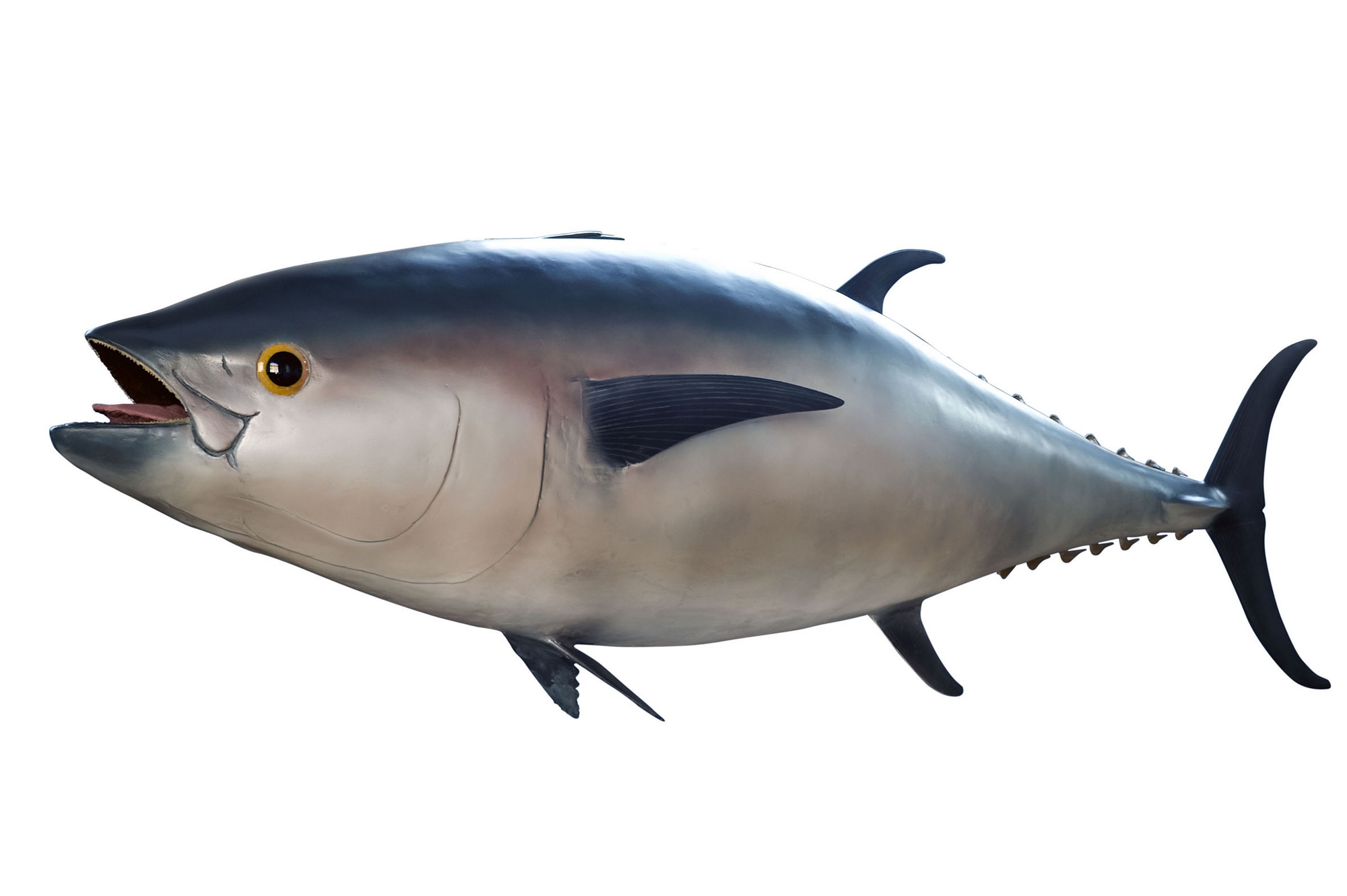
Atlantic bluefin tuna(Thunnus thynnus) lives in the Atlantic Ocean, the Mediterranean and the Black Sea. It moves in schools and makes important migrations to feed and reproduce. Although it tends to live in surface waters, it can dive to depths of up to 1000 m. This voracious and fast predator (it is capable of speeds of over 100 km per hour) feeds on fish, squid and pelagic crustaceans (living in open water). A record-breaking fish, it can live for 40 years or more, reach 3 m in length and weigh 600 kg! Located at the top of the marine food chain, its predators are the killer whale, the great white shark … and Man!
The bluefin tuna is one of the rare fish capable of endothermy: it adapts its body temperature to its environment and can thus evolve in cold water (where it feeds) or warm water (where it reproduces), that is to say from 3 to 30°C!
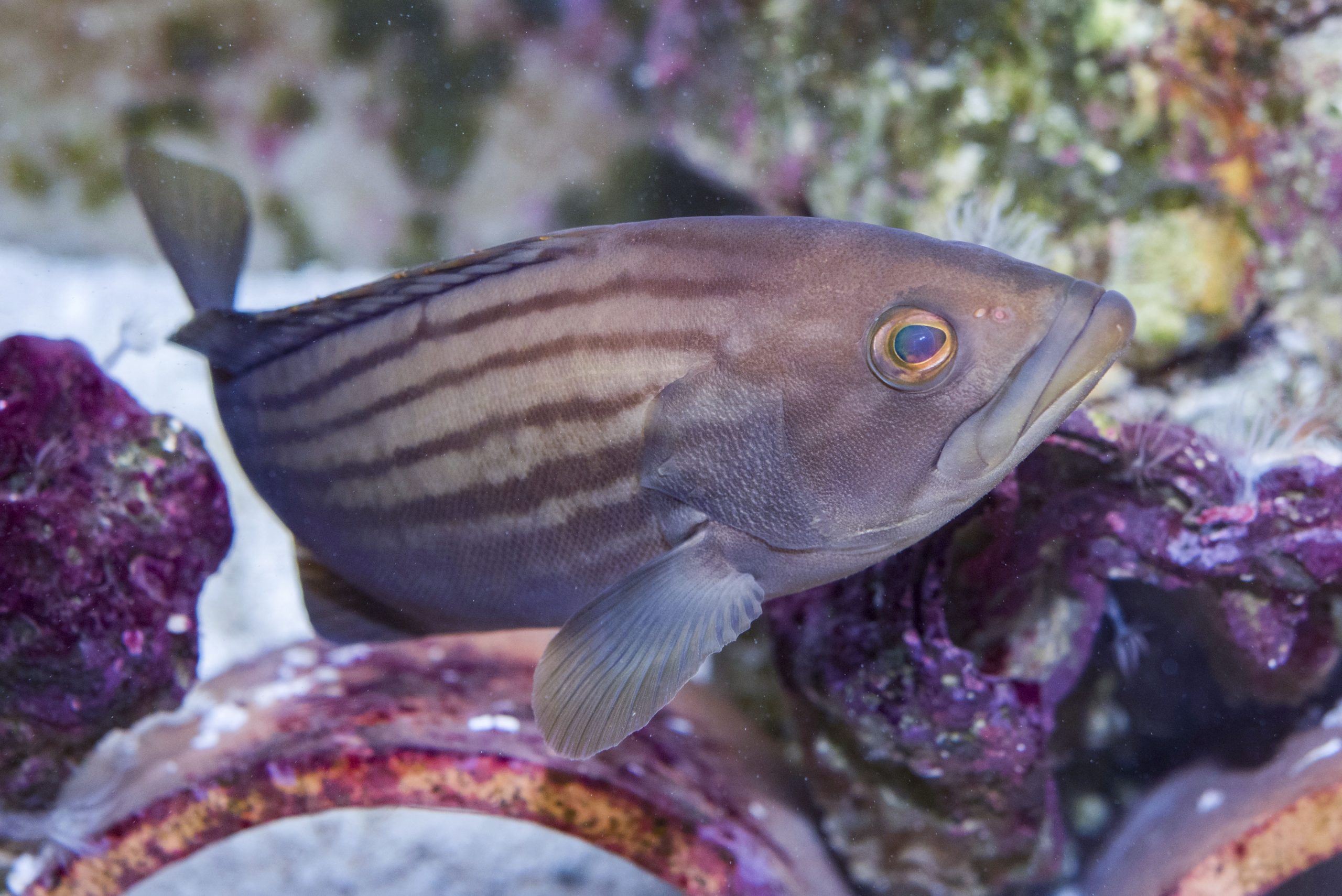
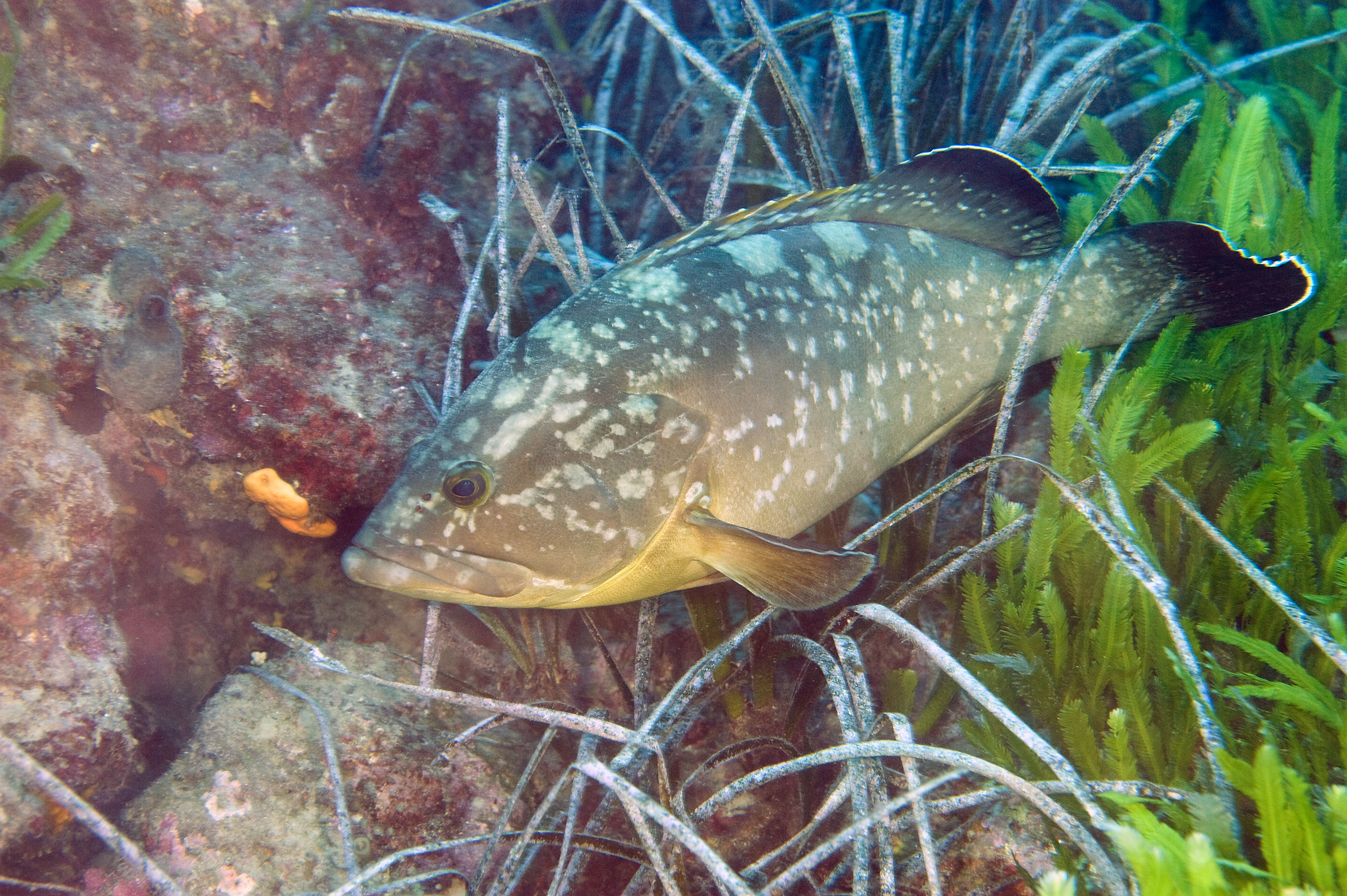
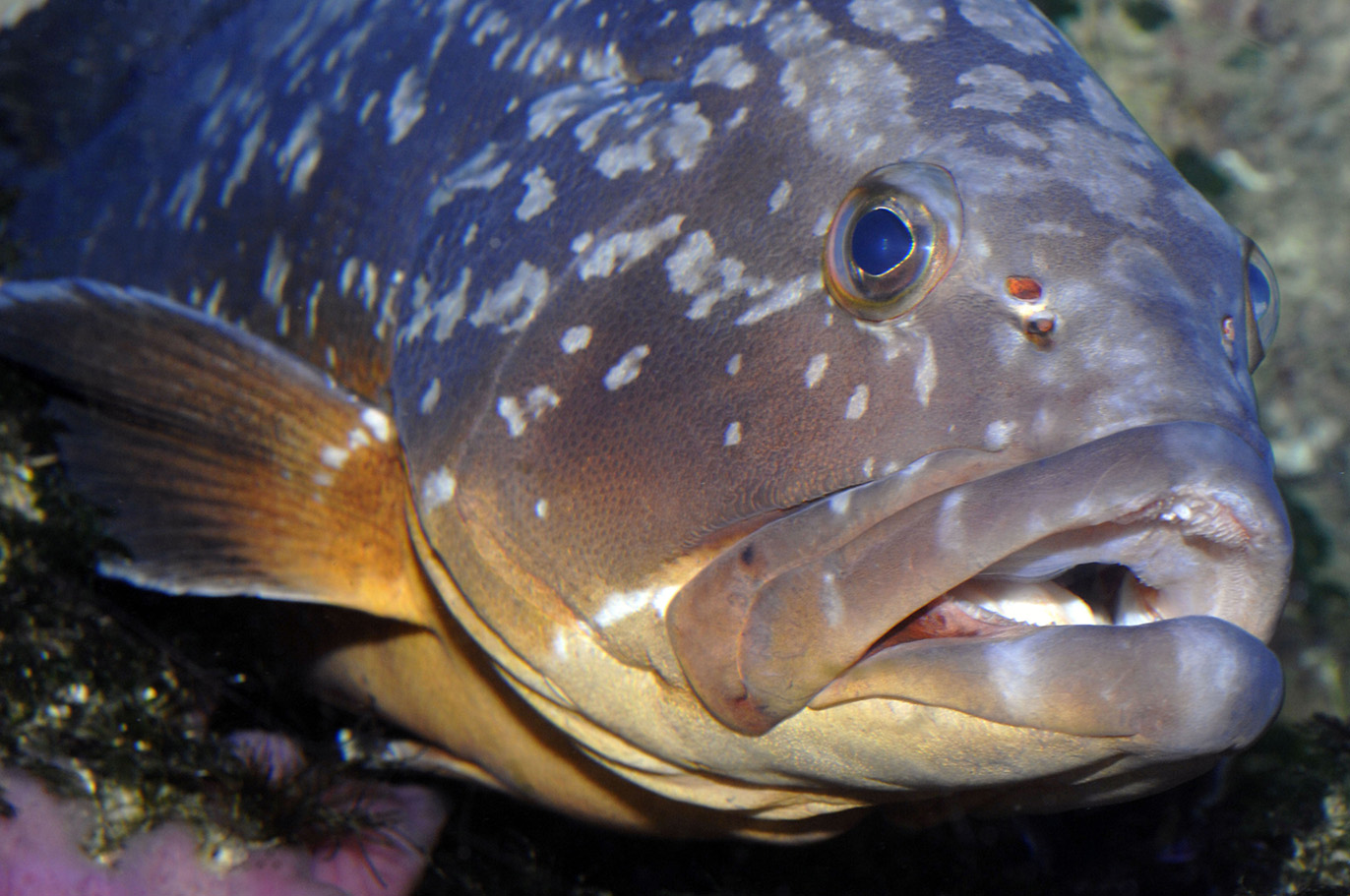
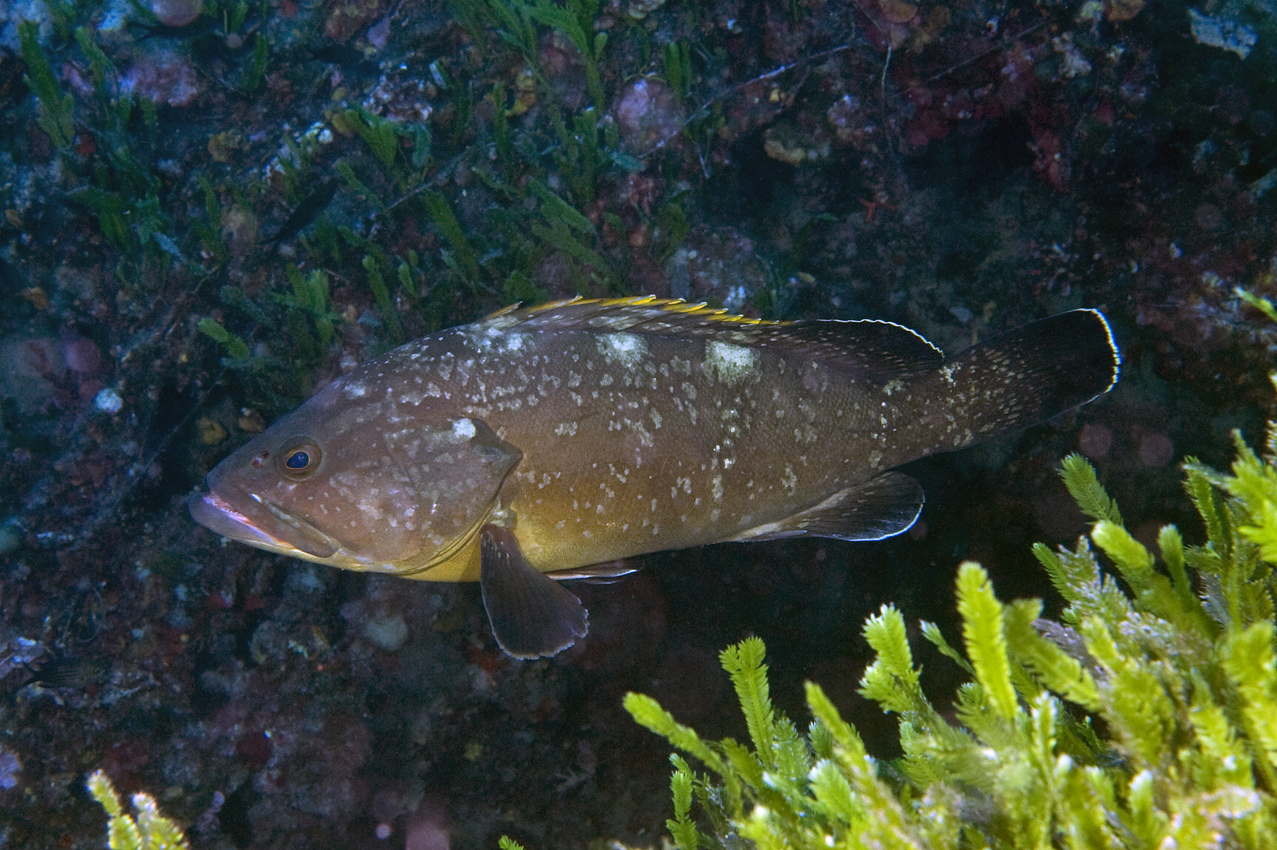
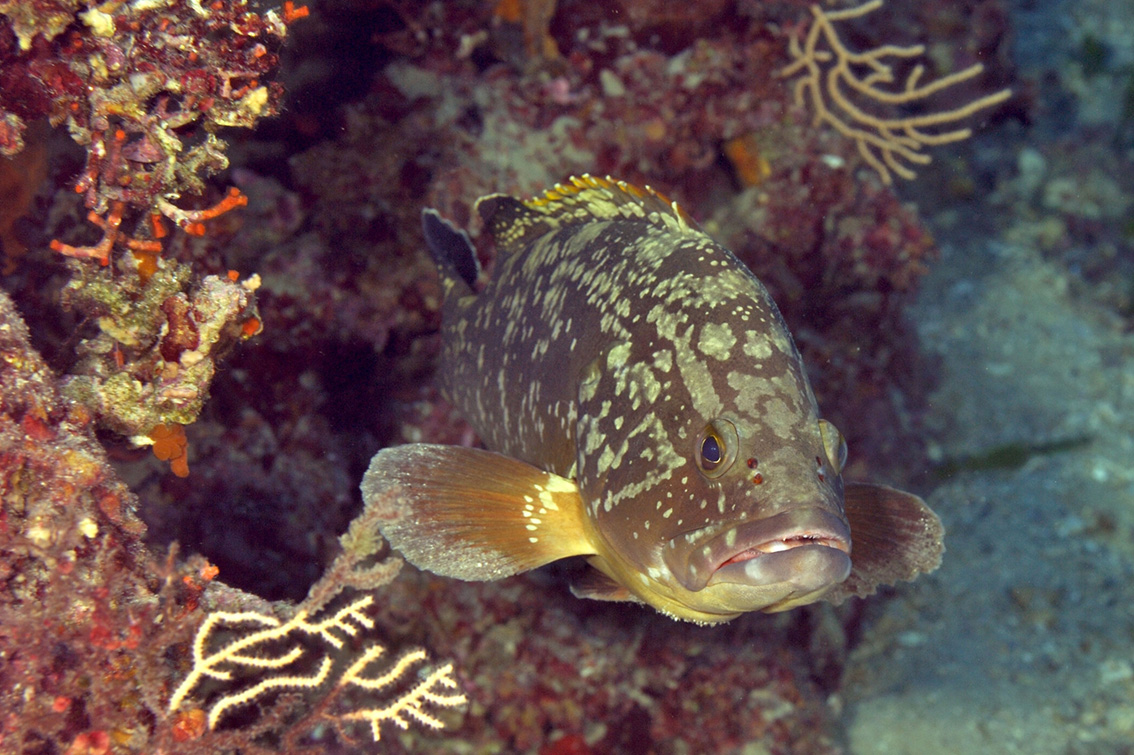
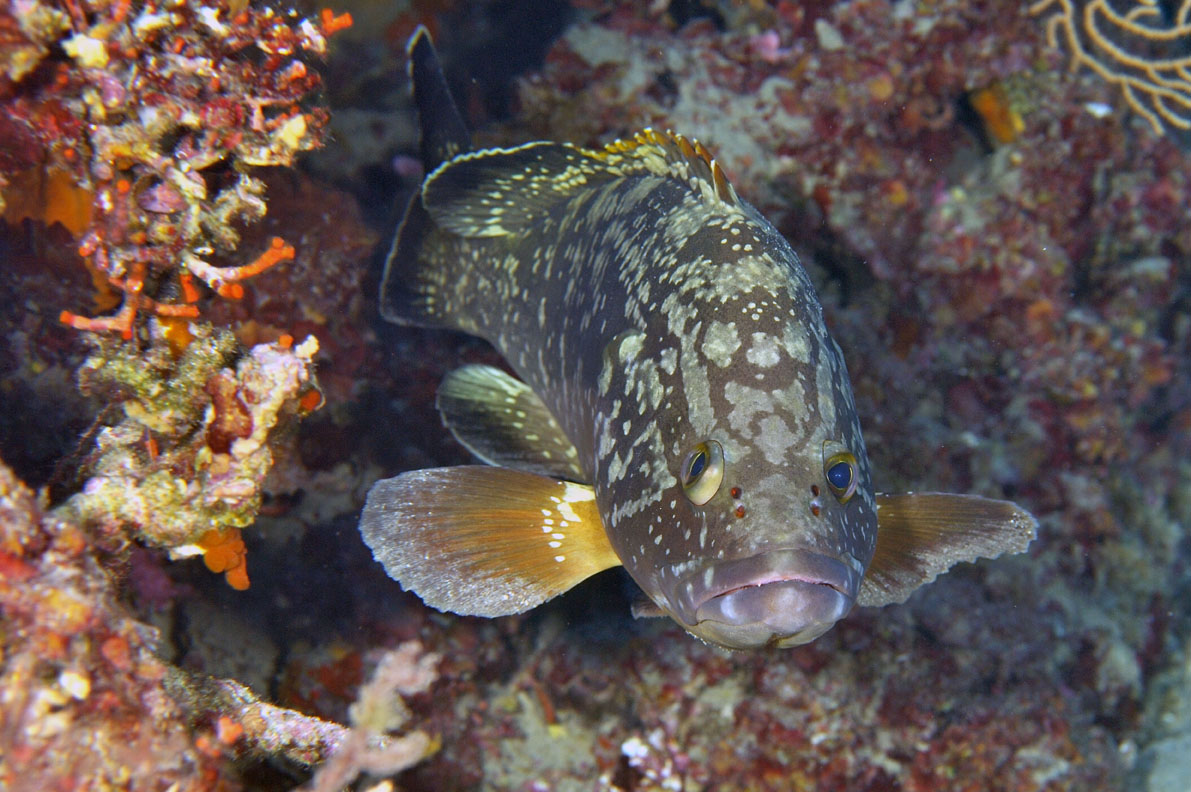
An icon for many scuba divers, both for its size (it is one of the largest bony fish in the Mediterranean) and its rarity, the brown grouper Epinephelus marginatus had almost disappeared after decades of overfishing and poaching. Thanks to strong protection measures, it is making a strong comeback in the waters of the French and Monegasque Mediterranean, especially in protected areas, allowing the underwater hiker to admire its unique and majestic behaviour. Watching it while diving is a privileged and magical moment, a memory that you will keep in your head for a long time! The return of the grouper is not a coincidence but the result of 30 years of efforts, an example that should inspire us to better protect endangered species in the Mediterranean! Explanations…
Male or female? Both of them! A little biology...
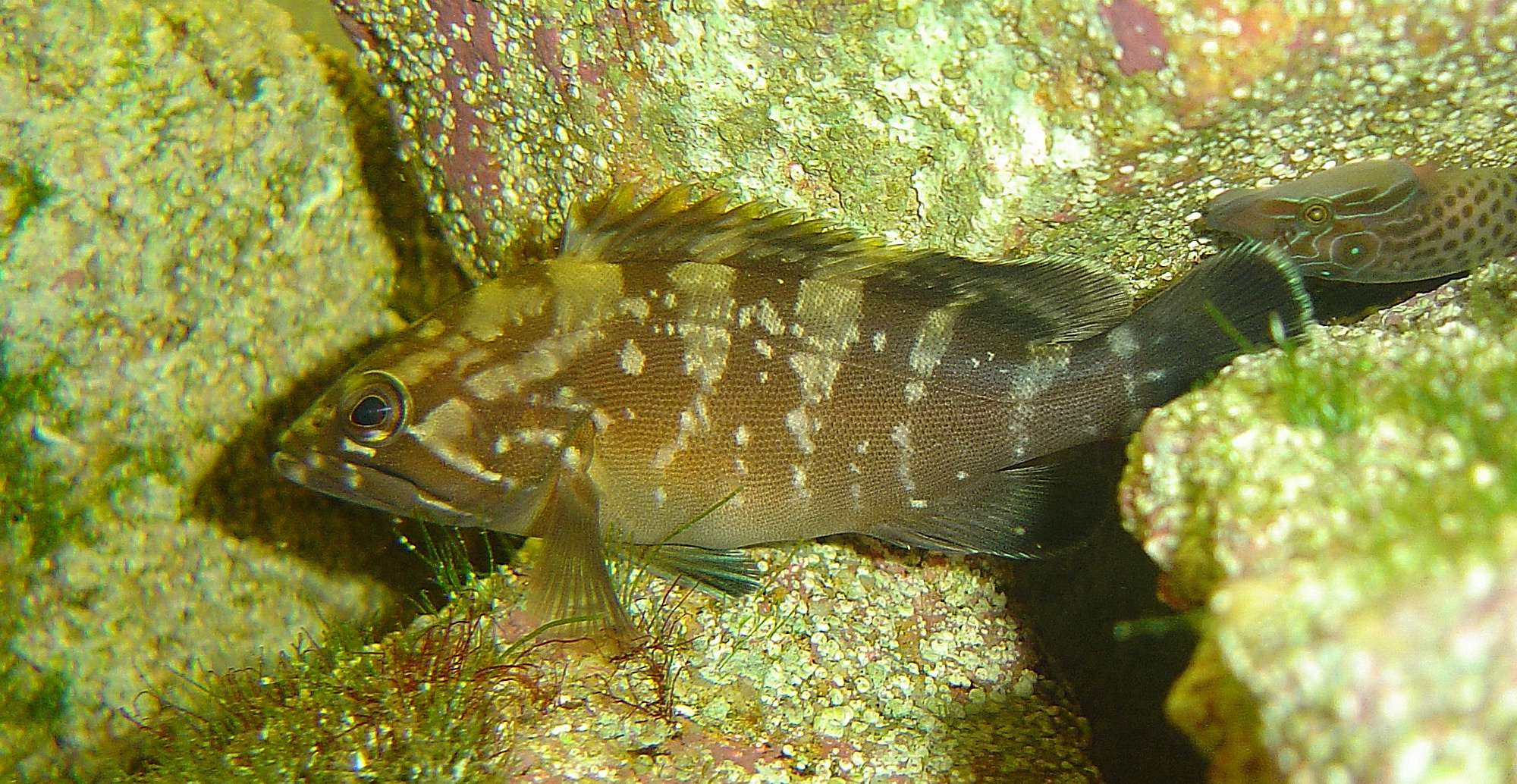
A young brown grouper under its rock. Credit: Nicolas Robert.
The brown grouper lives between the surface and 50 to 200m depth, in the Atlantic Ocean (from the Moroccan coasts to Brittany) as well as in the whole Mediterranean Sea. It is also found off Brazil and South Africa, but researchers wonder if it is a homogeneous population or distinct subpopulations. The mystery remains today!
It likes coastal rocky habitats rich in crevices and cavities. The juveniles, more littoral, are sometimes observed in a few centimeters of water. Its size varies from 80 cm to 1 m or even 1.5 m for the largest individuals.
The grouper changes sex during its life: “protogynous hermaphrodite”, it is first female then becomes male when it reaches 60 to 70 cm, at the age of 10 to 14 years.
Regulator and indicator of the state of the marine environment
A super-predator at the top of the food chain, the grouper hunts its prey (cephalopods, crustaceans, fish) at lower trophic levels, thus playing the role of regulator and contributing to the balance of the ecosystem. It is also an indicator of environmental quality. The abundance of groupers reflects the good condition of the food chain that precedes it, the presence of rich food and the expression of moderate poaching and fishing pressure. Because of its very high commercial value, brown grouper remains highly sought after by fishermen and spearfishermen throughout its range. Its numbers are in sharp decline and it is classified by the International Union for Conservation of Nature as a vulnerable species.
Did you know?
8 species of groupers are present in the Mediterranean. Among the 6 species observed in Monaco, the brown grouper Epinephelus marginatus is the most frequent, then comes the impressive wreck grouper Polyprion americanus. The canine grouper Epinephelus caninus, the badèche Epinephelus costae, the white grouper Epinephelus aeneus, the royal grouper Mycteroperca rubra are much more discrete.
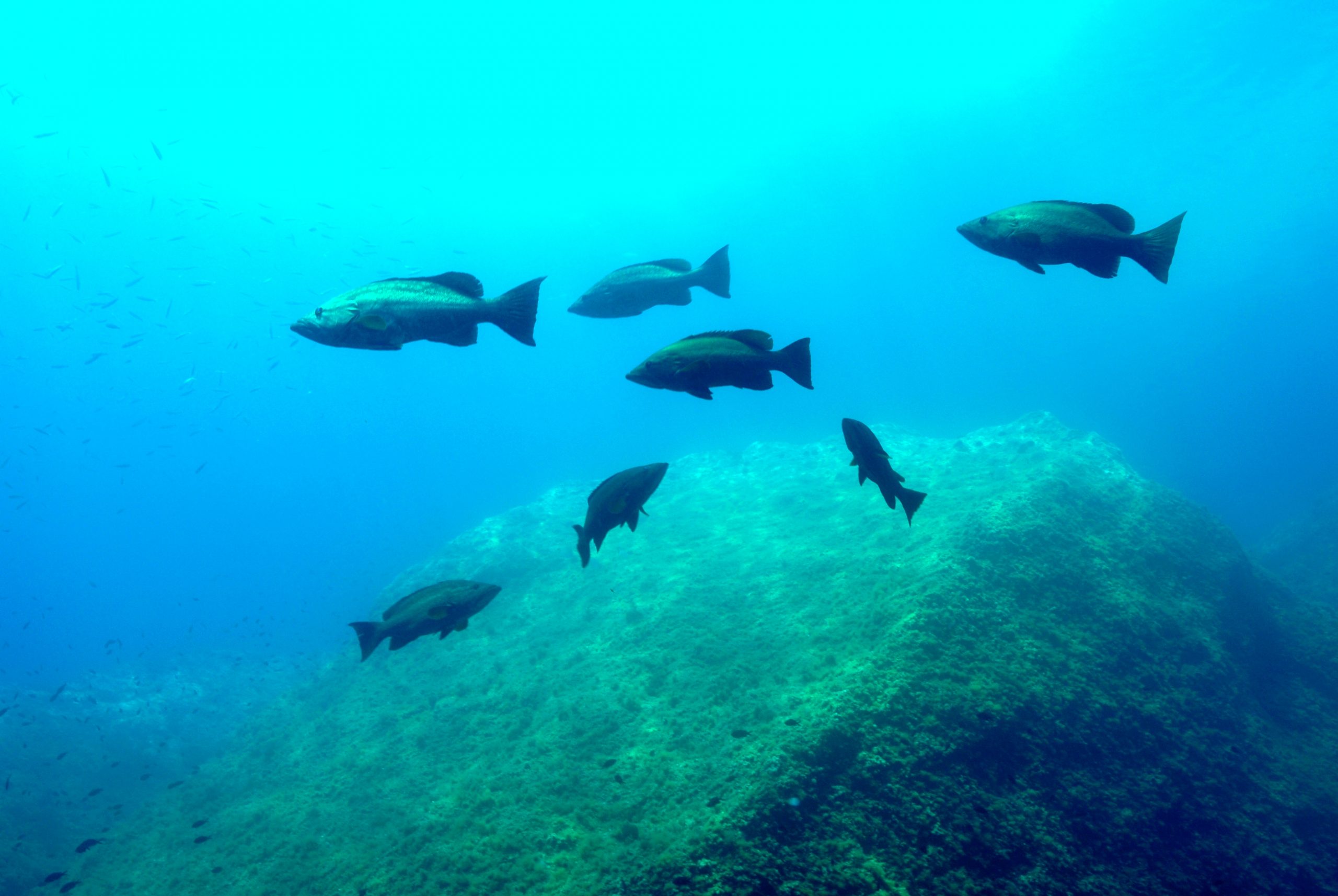
A group of the rare king grouper Mycteroperca rubra in the Scandola Nature Reserve. Credit: Jean-Marie Dominici.
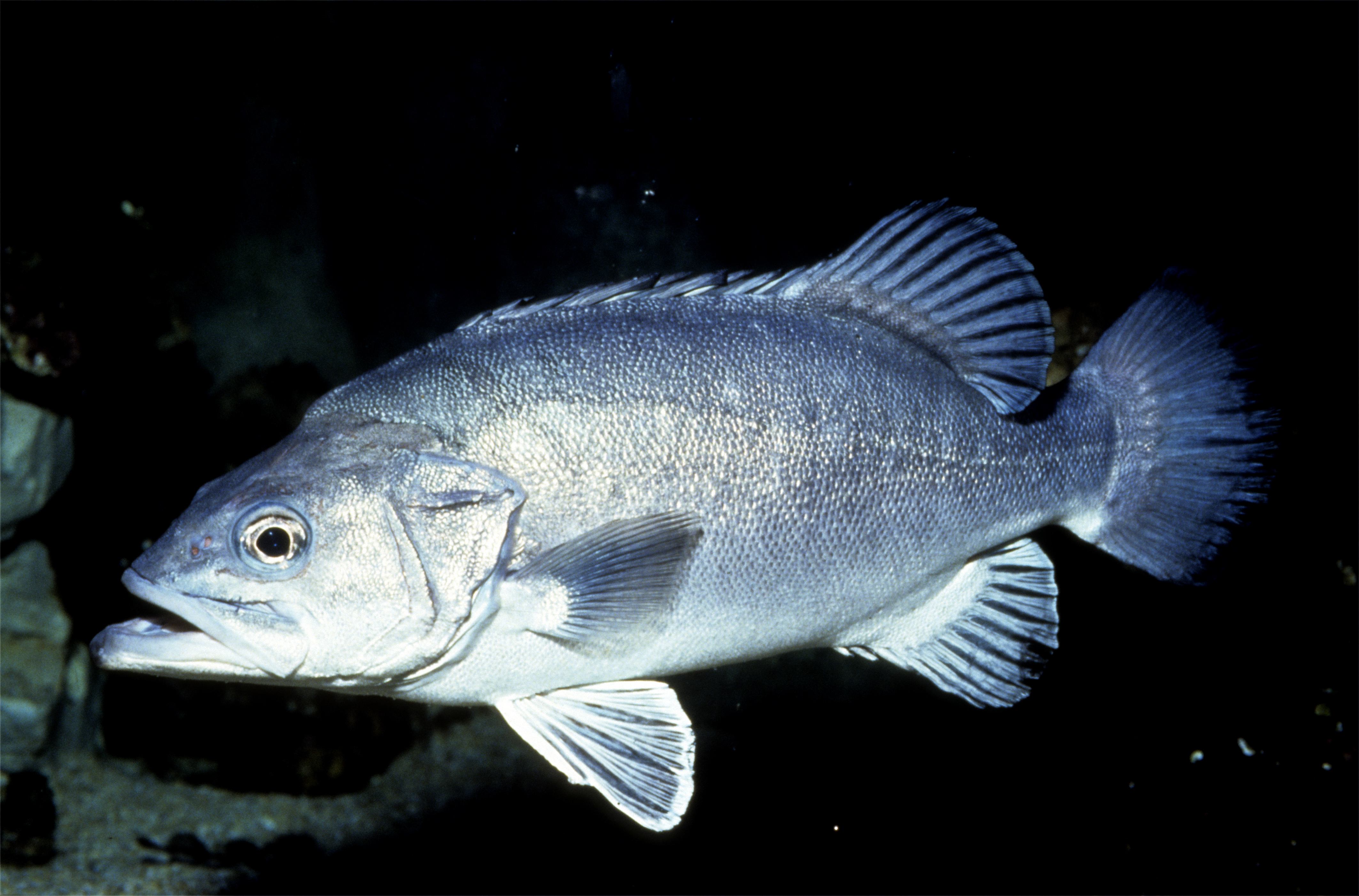
The cern or wreck grouper Polyprion americanus.
A badger grouper
The Grouper in pictures
The protection of the grouper, it works!
The increasing scarcity of this fish has led France and the Principality of Monaco to adopt strong protection measures within the framework of international conventions (Berne, Barcelona). The moratorium
since 1993 prohibits underwater hunting and fishing with hooks. Field studies show the effectiveness of these protection measures: young groupers are now present on all the coasts, and in the marine reserves the populations have recovered. But this comeback remains very fragile. The moratorium is to be reviewed every 10 years. The future of the grouper will therefore be decided in 2023. If hunting were to be allowed again, more than 30 years of effort could be wiped out in a few weeks!
A female brown grouper, at the entrance of its refuge on a coralligenous drop off.
In Monaco, the Sovereign Order of 1993, reinforced by the ordinance of 2011
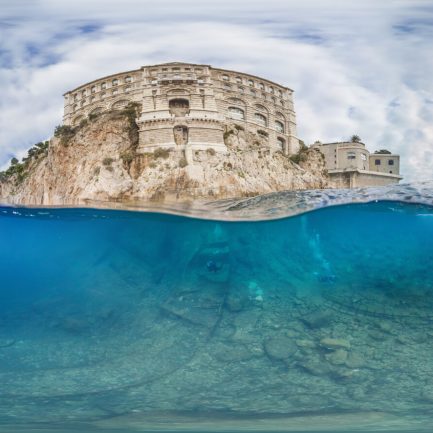
prohibits all fishing and ensures the protection of the brown grouper as well as the corb, another vulnerable species. Thanks to this specific protection, to the Larvotto Reserve and to the presence of very favourable habitats and abundant food, the brown grouper is once again abundant in the waters of the Principality of Monaco, particularly at the foot of the Oceanographic Museum.
Did you know?
Why do we still find brown groupers on the fishmongers’ shelves? Simply because the use of nets to catch them is still allowed. Specimens imported from unregulated areas may also be offered for sale. It is up to us as consumers to avoid buying endangered species!
The Principality takes care of the groupers
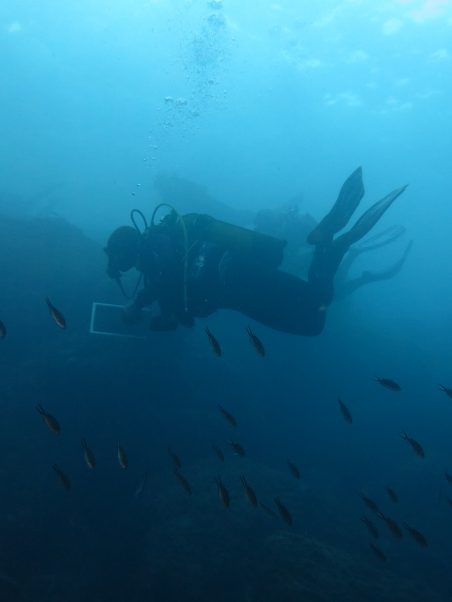
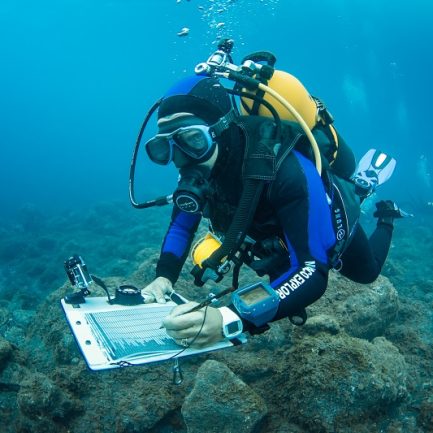
Since 1993, under the control of the Environment Department, the Monegasque Association for the Protection of Nature assisted by the Grouper Study Group is carrying out a regular inventory of groupers in Monegasque waters, from the surface to a depth of 40 m, with the natural participation of the divers from the Oceanographic Museum. From year to year, the numbers observed increase (15 individuals in 1993, 12 in 1998, 83 in 2006, 105 in 2009, 75 in 2012). Large specimens of 1.40 m are now numerous and juveniles of all sizes are observed on the shallows.
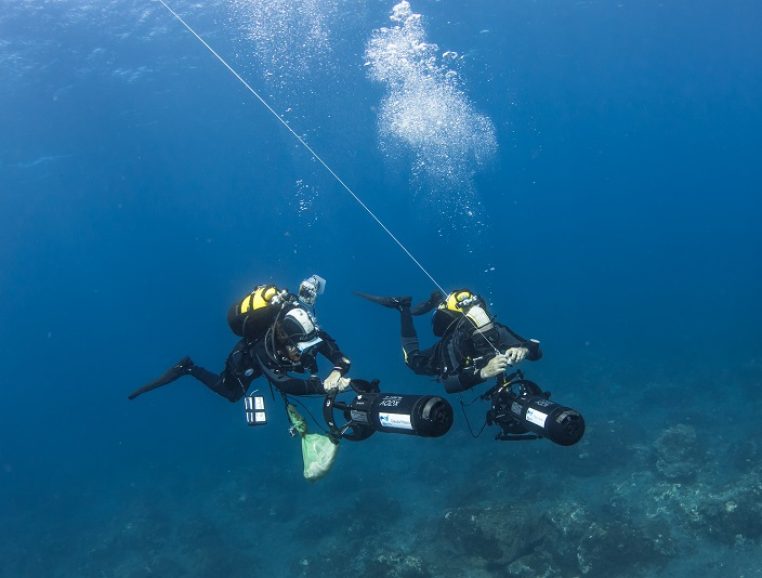
The grouper survey is done in small groups of snorkelers or divers.
the oceanographic museum also gets wet...
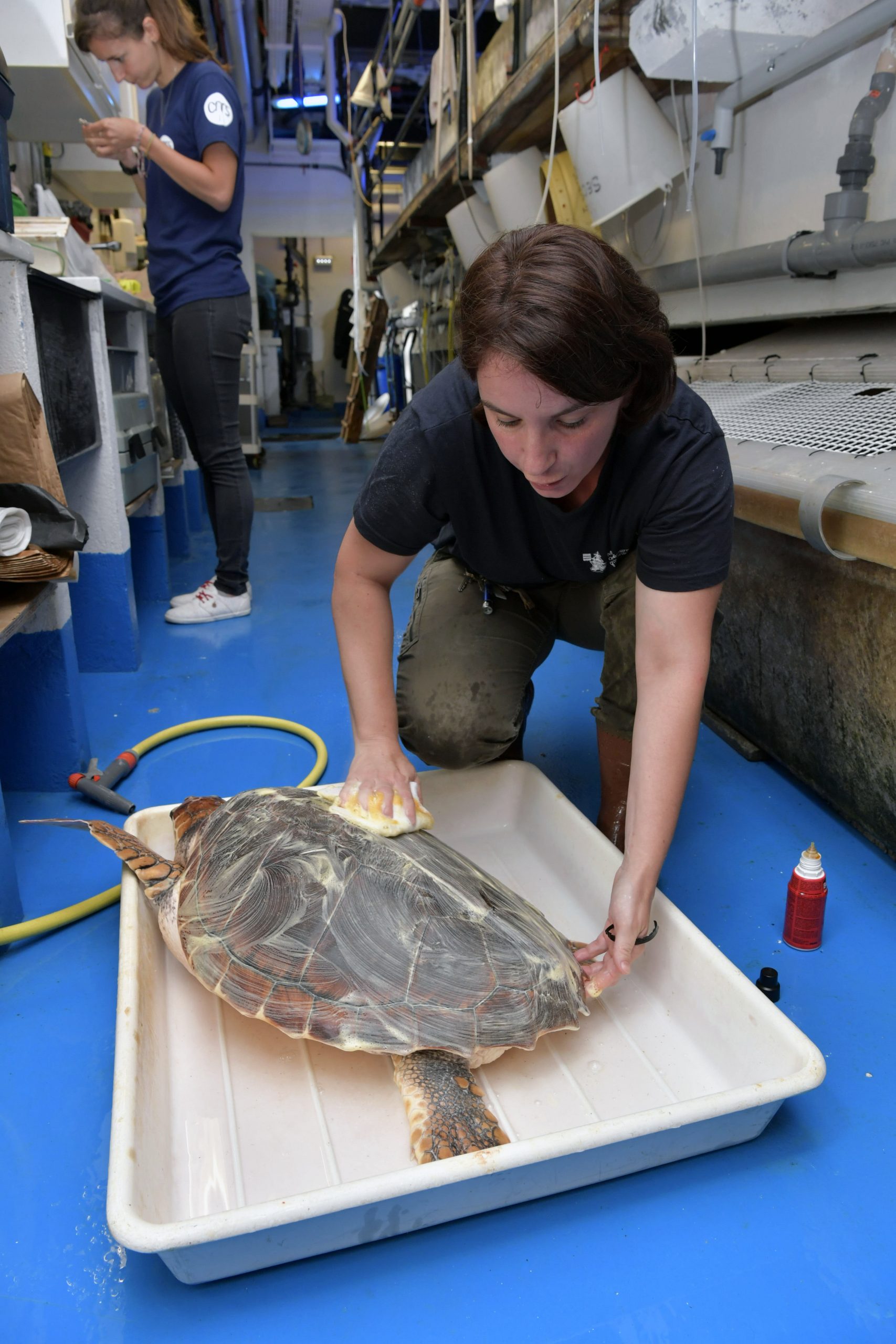
The Museum also comes to the rescue of specimens in difficulty that are entrusted to it by fishermen or divers, as was the case at the end of 2018, with several individuals affected by a viral infection, already observed in the past on several occasions in the Mediterranean in Crete, Libya, Malta, and Corsica. With the Participate in activities created in 2019 to care for turtles and other species, these interventions are now facilitated. The cured groupers return to the sea to be in protected areas such as the Larvotto Underwater Reserve. Watch the video of the release of the young grouper “Enzo”.
The entire team before the release of a grouper, a moment to raise awareness among sea users about the status of this vulnerable species.
The Director General of the Oceanographic Institute, Robert Calcagno, gives a young grouper its freedom, under the eye of cameraman Frédéric Pacorel.
THE MEROU, STAR OF ALWAYS at the AQUARIUM
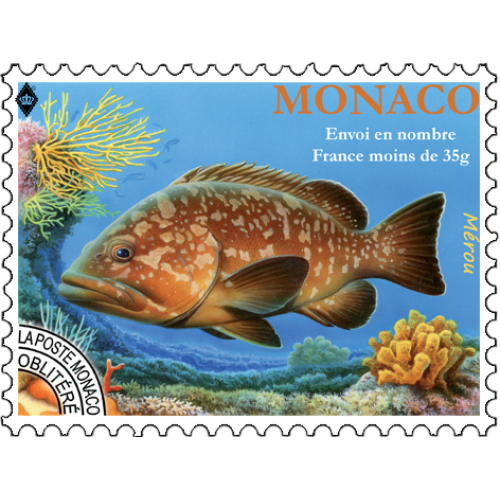
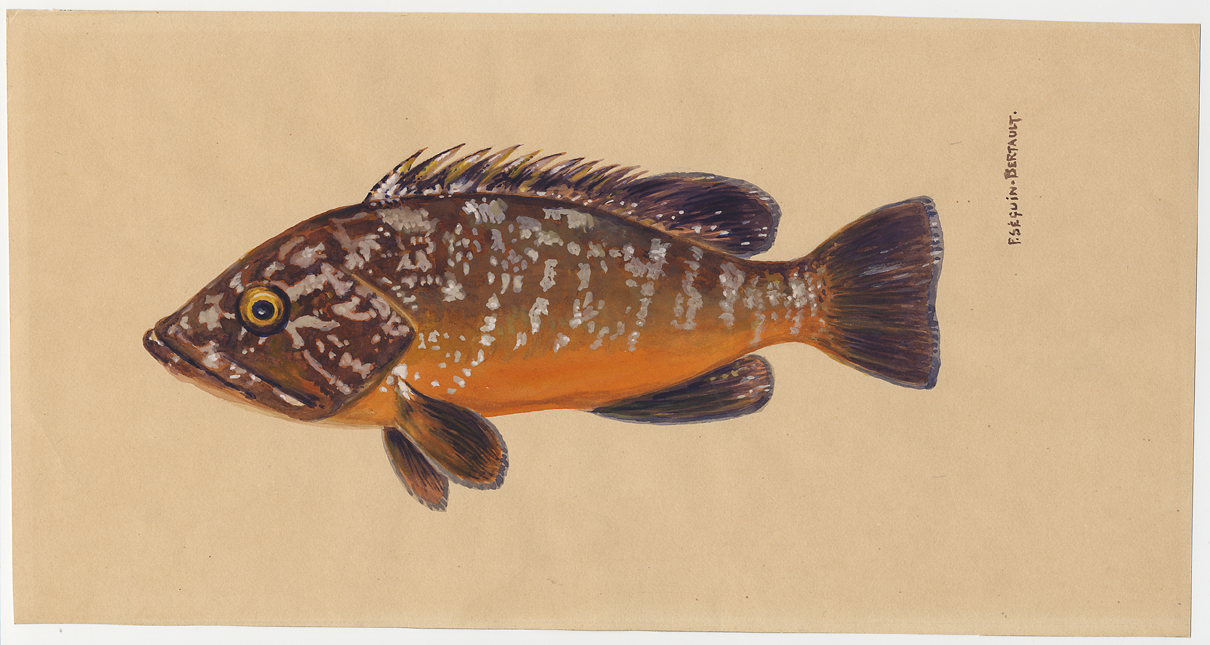
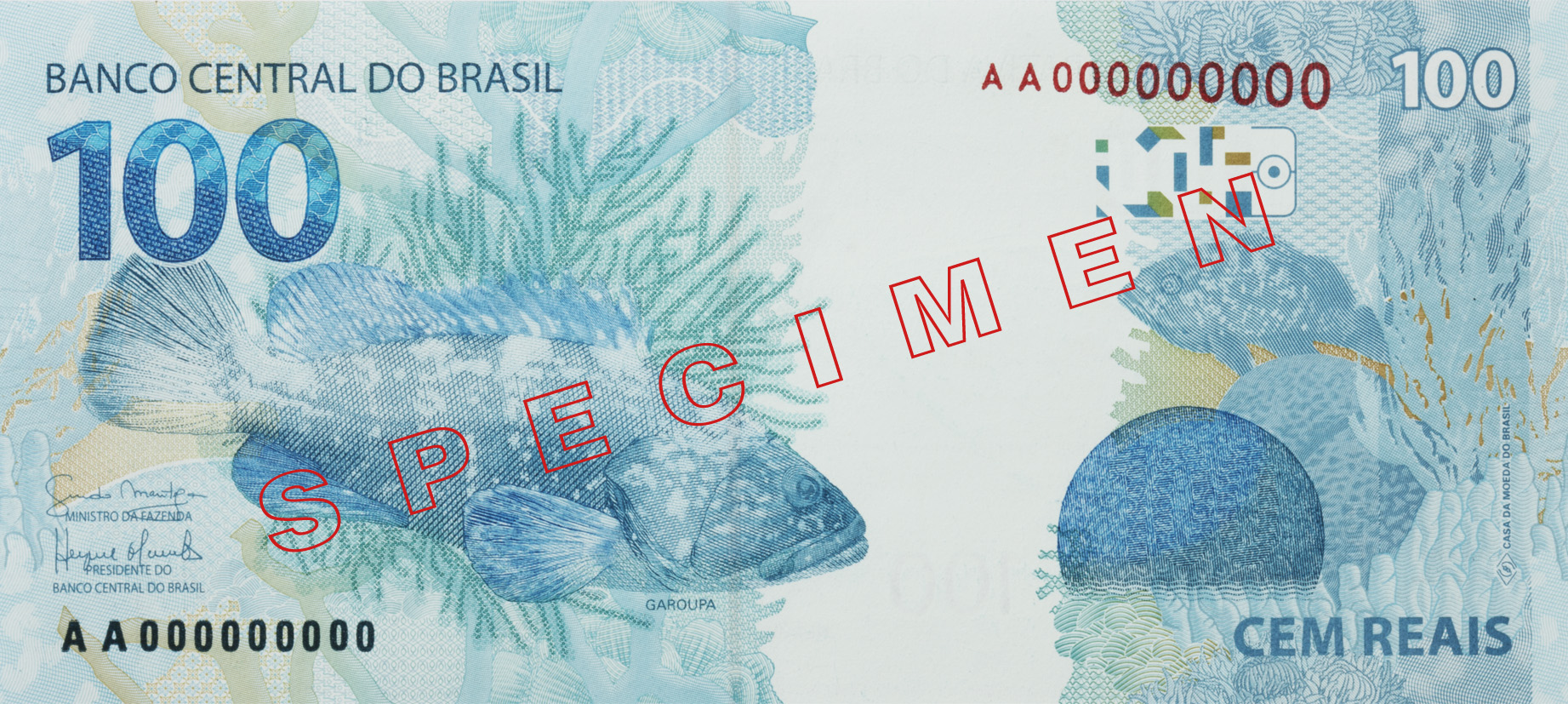
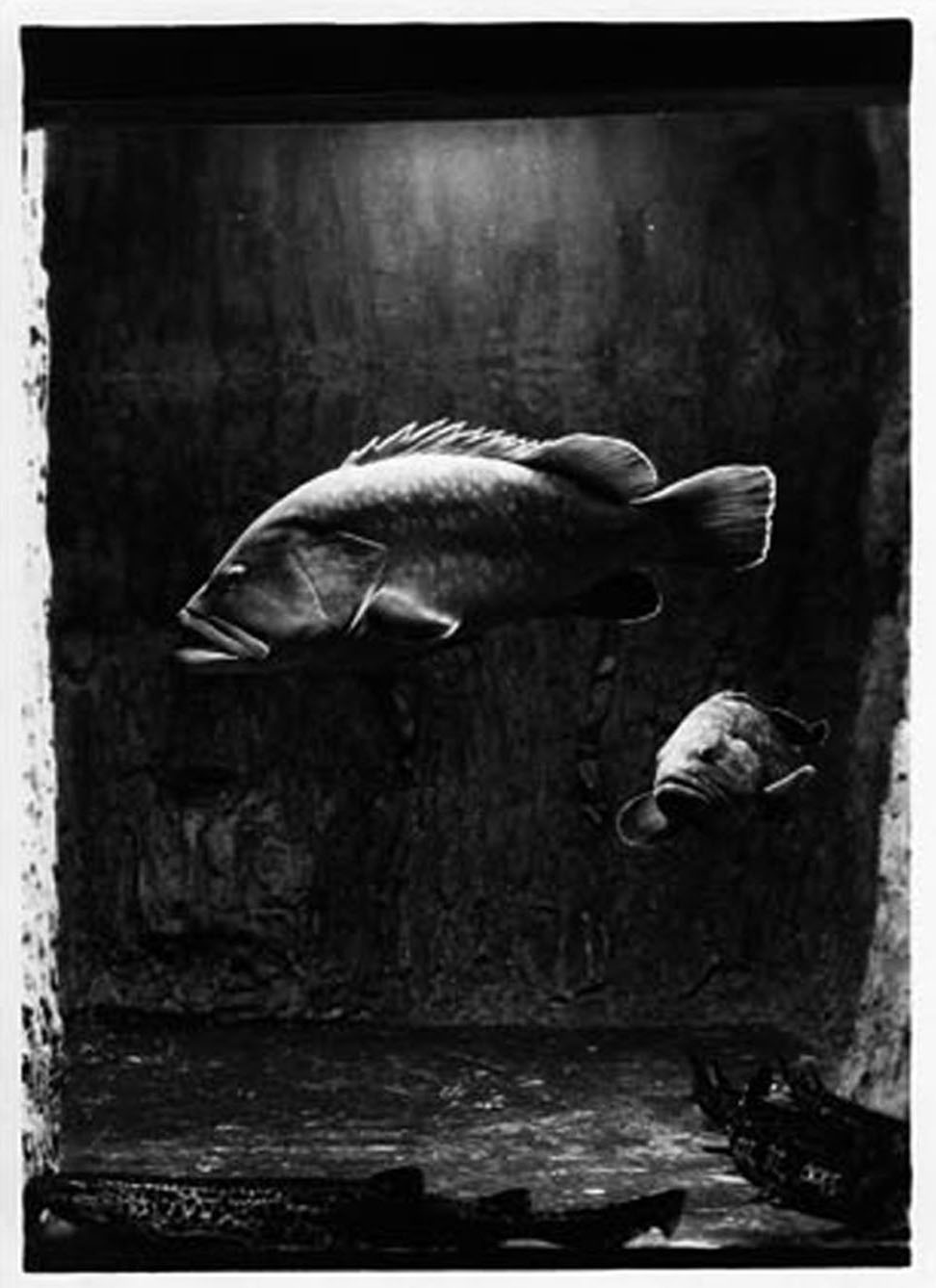
Many visitors discover this heritage species at the Oceanographic Museum. This is not new, since the Aquarium, then directed by Doctor Miroslav Oxner, was already presenting them in 1920! One of them, now in the Museum’s collections, lived there for over 29 years. 4 different species (badèche, brown, white and royal grouper) are now visible in the section dedicated to the Mediterranean completely renovated. If the grouper intrigues visitors, it also inspires artists! Numerous objects bearing his likeness, both works of art and manufactured objects, can be found in the collections of the Oceanographic Institute! In 2010, a grouper from the Museum was used as a model for the 100 Reais banknote issued by the Central Bank of Brazil, which is still in circulation today, and the Principality even dedicated a postage stamp to it in 2018!
A watercolour by Paul Seguin-Bertault (circa 1947) belonging to the Collections of the Oceanographic Institute.
100 Reais note from the Central Bank of Brazil (courtesy of Mr. Marcia Barbosa Silveira).
Old postcard from the Oceanographic Museum showing a grouper tank
An asset for the blue economy, tourism and fishing...
Tourists come from far and wide to observe the underwater fauna and a “successful” dive is often one during which the brown grouper has been observed! Several studies show that a live grouper brings in infinitely more money during its existence than if it is caught to be consumed! Brown grouper particularly thrive in effectively managed marine protected areas (MPAs), which provide important biodiversity conservation and economic development benefits. By protecting and restoring critical habitats (migration routes, predator refuges, spawning grounds, nursery areas), MPAs contribute to the survival of sensitive species such as brown grouper. Adults and larvae of different species living within an MPA can also leave it and colonise other areas, this is called Spillover. When the eggs and larvae produced in the MPA drift out, it is called Dispersal. Species with high market value (brown grouper, lobster, red coral) travel considerable distances, providing ecological and economic benefits in remote areas! Adult brown groupers stray one kilometre outside the MPA boundary. As for the larvae, they travel several hundred killometers!
Since 2008 and under the impetus of H.S.H. Prince Albert II of Monaco and his Foundation, the Principality of Monaco has been mobilising its forces to alert world opinion and attempt to safeguard this great migratory bird emblematic of the Mediterranean.
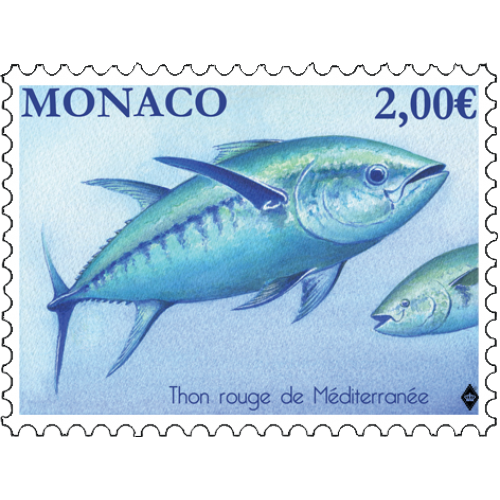
Bluefin tuna is so powerful, yet so vulnerable to the financial interests it generates. Since its creation, the Prince Albert II of Monaco Foundation has worked to safeguard the species and made Monaco the first State to request international protection for this species. Thanks to the Principality's political action and the worldwide repercussion it has had, the quotas proposed by the scientists have been respected and the stocks have begun to consolidate. This emblematic fish of the Mediterranean is therefore representative of the power of Man to regulate fisheries to ensure a sustainable stock and the survival of a species. Although the situation of bluefin tuna seems to be just beginning to recover in the Mediterranean, the species is still vulnerable. It is therefore essential to remain cautious and vigilant, to combat illegal fishing, and to ensure that the advice of scientists is always followed, even if it differs from economic interests. The "fight" is never won and the memory of Man fades in front of the gain, we must continue our efforts so that this lord of the ocean continues to populate our beautiful Mediterranean.
A moratorium to set an example
In 2008, a moratorium on the consumption of bluefin tuna from the Eastern Atlantic and the Mediterranean, initiated by the Prince Albert II Foundation and the Monaco Sustainable Development Association (MC2D), was set up in the Principality, in collaboration with restaurants, retailers and supermarkets. Thanks to this totally unprecedented national consensus, the Principality is setting an example; bluefin tuna is no longer offered for sale in Monaco, including in sushi restaurants!
CITES listing attempt moves the needle
In 2009, at the 15At the session of the Conference of the Parties in Doha (Qatar) in March 2010, the Principality (together with France) launched a procedure for listing in Appendix I of CITES which, if adopted, would have had the effect of banning international trade in bluefin tuna.Eastern Atlantic and Mediterranean. Although not adopted, the proposal raised awareness of the world public opinion far beyond the borders of Monaco and contributed to the decision of ICCAT to reduce fishing quotas.
From 2011 to 2019, Monaco shall suspend catches (professional and recreational fishing) in waters under national jurisdiction.
Since 2008, in partnership with the WWF, The Prince Albert II Foundation supports numerous programmes aimed at the sustainable and long-term management of populations (and no longer at the temporary replenishment of stocks) by following several lines of work: understanding the movements and behaviour of this great migratory species in order to have a better knowledge of stocks and to define reasonable quotas, preserving reproduction areas (spawning grounds) thanks to sanctuaries in the high seas or other marine protected areas, fighting against illegal fishing, developing responsible fishing techniques and consumption habits (thanks to Mr.Goodfish ), favour artisanal and local fishing.
in the sanctuary Pelagos an area where very little data exists. The data are transmitted to ICCAT and contribute to the estimation of stocks and the determination of quotas to ensure a sustainable bluefin tuna fishery.
Echoing the actions of its partners in the Principality, the Oceanographic Institute uses the example of bluefin tuna to inform and mobilize the general public about the challenges of global fishing and the disappearance of large marine predators. Professor François Doumenge, an eminent bluefin tuna specialist and director of the Oceanographic Museum from 1989 to 2001, has published numerous scientific and popular works on the subject, including “ The history of tuna fisheries “in 1998. The subject is the subject of conferences such as “Bluefin Tuna: History of Overfishing and Recovery”.
Protected by various conventions but still threatened according to the IUCN, sea turtles are the subject of much attention: studies, monitoring, care. Professionals, volunteers and enthusiasts are trying to learn more about their life cycle, their behaviours, their migrations and above all to minimise the impact of human activities on them.
A major annual gathering of specialists to help sea turtles
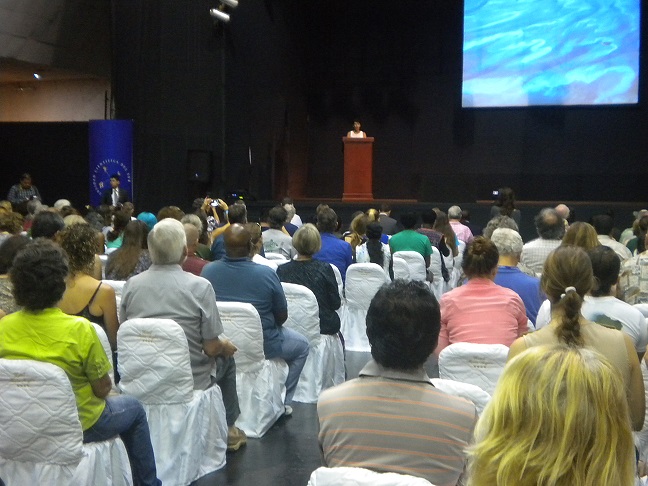
Organized by the International Sea Turtle Society (ISTS), a non-profit organization founded in 1996, this conference dedicated to sea turtle research and conservation usually brings together more than 1000 people representing more than 80 countries.
This diverse community of biologists, ecologists, and educators share knowledge, strengthen networks, and collaborate to preserve sea turtles.
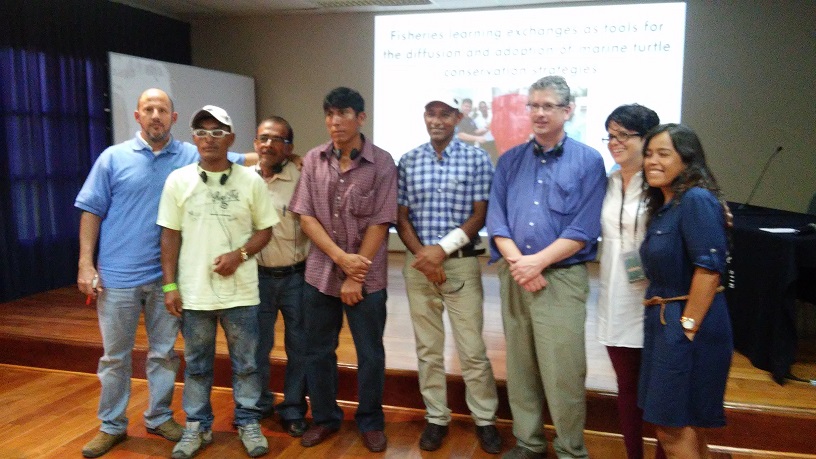
The Institute of Oceanography regularly sends members of its team to keep abreast of the status of populations, new issues and emerging threats and to share common actions to be taken.
Led by the Natural Heritage Department of the National Museum of Natural History in Paris, the French Marine Turtle Group (set up in 2007) brings together people working on marine turtles.
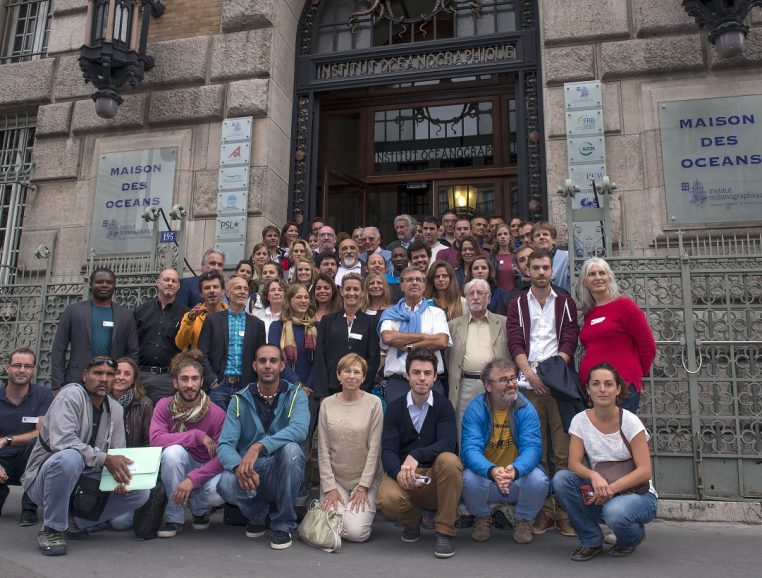
The second symposium organized by the GTMF was held from 8 to 10 September 2015 at the Maison des océans in Paris. Around one hundred French-speaking specialists aimed to strengthen public policies and management actions in favour of these migratory reptiles present in mainland France and in overseas territories.
Le premier Colloque du GTMF, qui s'était tenu en 2010, avait été une belle réussite avec plus de 100 participants venus de tous les territoires français. Pour cette deuxième édition, nous avons fait le choix d’un colloque orienté sur le renforcement des capacités, avec une part importante d’ateliers très interactifs. Nous avons également souhaité ouvrir l’événement à la francophonie. Il est ainsi prévu d’accueillir une quinzaines d’acteurs venus des pays francophone (essentiellement d’Afrique de l’Ouest et Centrale, mais aussi Comores, Madagascar, Québec). Nous partagerons ainsi cette occasion unique d’améliorer nos connaissances et nos pratiques.
Pendant trois jours, des conférences et des ateliers répartis sur trois amphithéâtres permettront d'aborder une grande diversité de sujets et de couvrir les principales préoccupations des gestionnaires de projets « tortues marines », qu'ils soient issus des ONG ou des directions régionales de l'environnement (DREAL). Un programme large ou domineront les sujets les plus concrets, par exemple :
- comment évaluer et réduire l'impact sur les tortues marines de la pêche, des pollutions (lumineuses, chimiques, sonores, par les macro-déchets...),
- apprendre à hiérarchiser ses actions et à optimiser l'efficacité sa stratégie de conservation lorsque les ressources budgétaires sont limitées, comment financer les projets ?
- mettre en œuvre les engagements pris par la France dans le cadre des conventions et accords internationaux,
- valoriser les données recueillies dans le cadre des observatoires d'échouages.
Des sujets plus théoriques - mais ayant des implications majeures en termes de stratégie d'actions - compléteront ce panorama : par exemple la notion de plasticité sera développée, ou que sait-on du degré d'adaptabilité des espèces de tortues marines aux changements de leur environnement ?
Renforcement de capacités et ateliers
Le premier Colloque du GTMF, qui
Marine turtles, local and territorial authorities committed to...
Each region or territory that hosts marine turtles on its beaches or in its coastal waters has developed a Marine Turtle Network and offers many educational tools: songs, games, videos, computer graphics and general information or information by species, thus making it possible to obtain information for all ages.
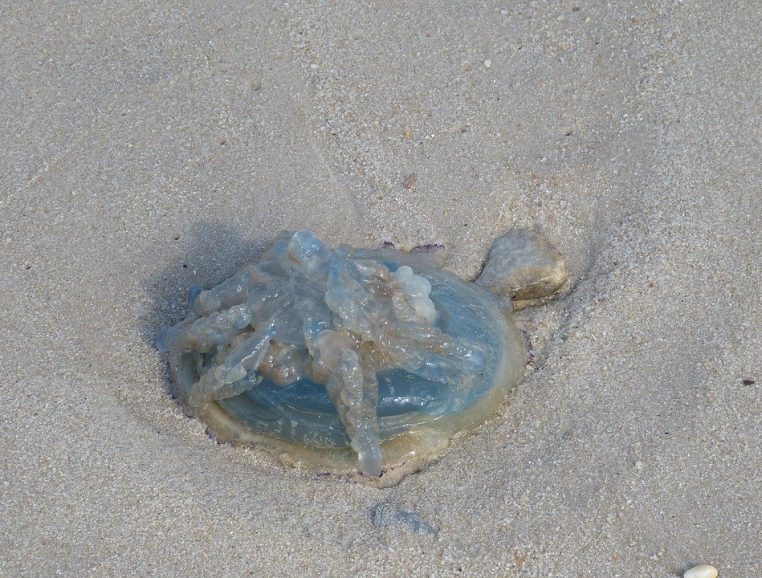
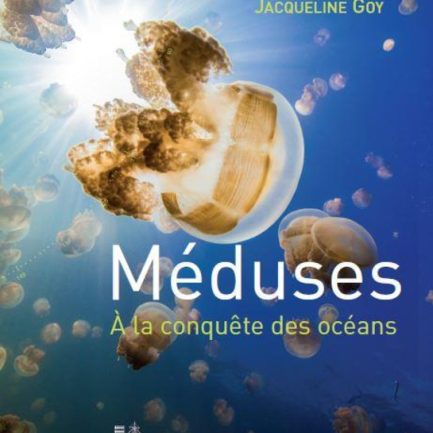
Used to hydrate the vines a few centuries ago in Charente, jellyfish have also been consumed for a thousand years by Asian populations. Traditionally considered beneficial to health, they have been known to cure arthritis, hypertension, back pain and ulcers, improve digestion, remedy fatigue, and even soften the skin.
EAT JELLYFISH
Among a dozen edible species, Rhopilema esculentum and Stomolophus meleagris are popular dishes in China, even if today it is in Japan that half of the jellyfish sold in the world is consumed.
The dried jellyfish is rehydrated by soaking in water for several hours, before being cut into strips and mixed into a salad with various spicy sauces, vegetables, chicken or other seafood.
Collagen is a protein that ensures the cohesion, elasticity and regeneration of tissues. Pixabay License
THE COLLAGION OF MÉDUSES
Collagen is an essential protein for the structuring of organisms and for healing.
The mad cow disease directed the research of collagen towards other animals than cattle. A research team from the University of Lyon, led by Suzanne Franck, has discovered a collagen in jellyfish that is very similar to human embryonic collagen type V.
This collagen is used as a fake skin for burn victims, as a culture medium in cytology and is an effective anti-wrinkle treatment in cosmetology.
MEDUSES, THE KEY TO UNDERSTANDING Evolution
Many jellyfish become encysted when their environment deteriorates.
There is a dedifferentiation of tissues, thus a regression, and then a reorganization due to the presence of stem cells capable of restructuring the animal’s body. Understanding the mechanisms that trigger the evolution of stem cells into functional cell types is also a fundamental step.
Perhaps the jellyfish will give us the key to this property, which would have been lost in the course of evolution?
The Nobel Prize in Medicine and Physiology was awarded in 1913 to Charles Richet for the discovery, with Paul Portier, of anaphylaxis (a severe form of allergy that affects the entire body and can lead to death) caused by physalies.
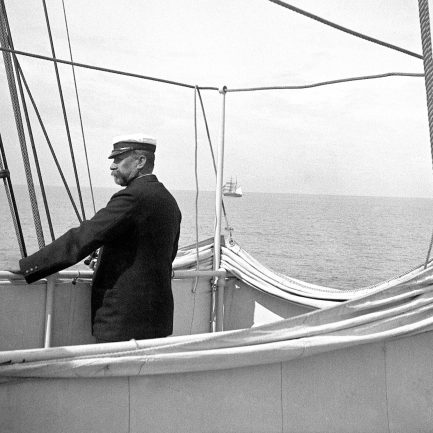
The study of the latter was conducted during the campaigns of Prince Albert I of Monaco, founder of the Oceanographic Institute.
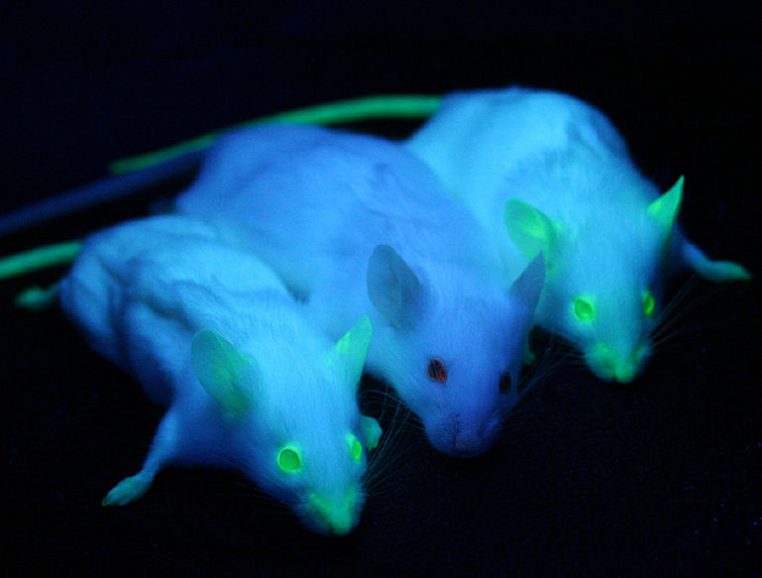
The Nobel Prize in Chemistry was awarded in 2008 to Osamu Shimomura, Martin Chalfie and Roger Tsien for the discovery and applications of the green fluorescent protein, discovered in the jellyfish Aequorea victoria.
This protein is used in medical research to monitor the evolution of tumors in mice or the growth processes of new vessels in living animals.
The green fluorescent protein is considered the microscope of the 21st century.
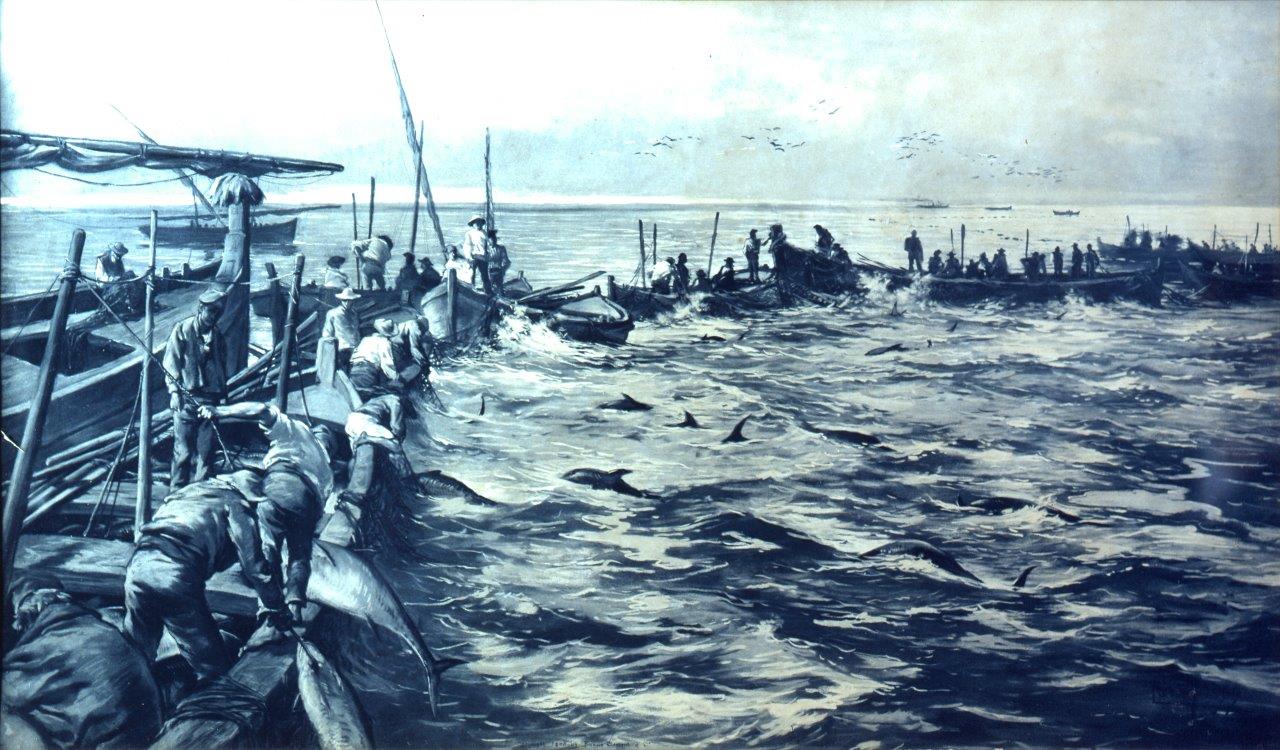
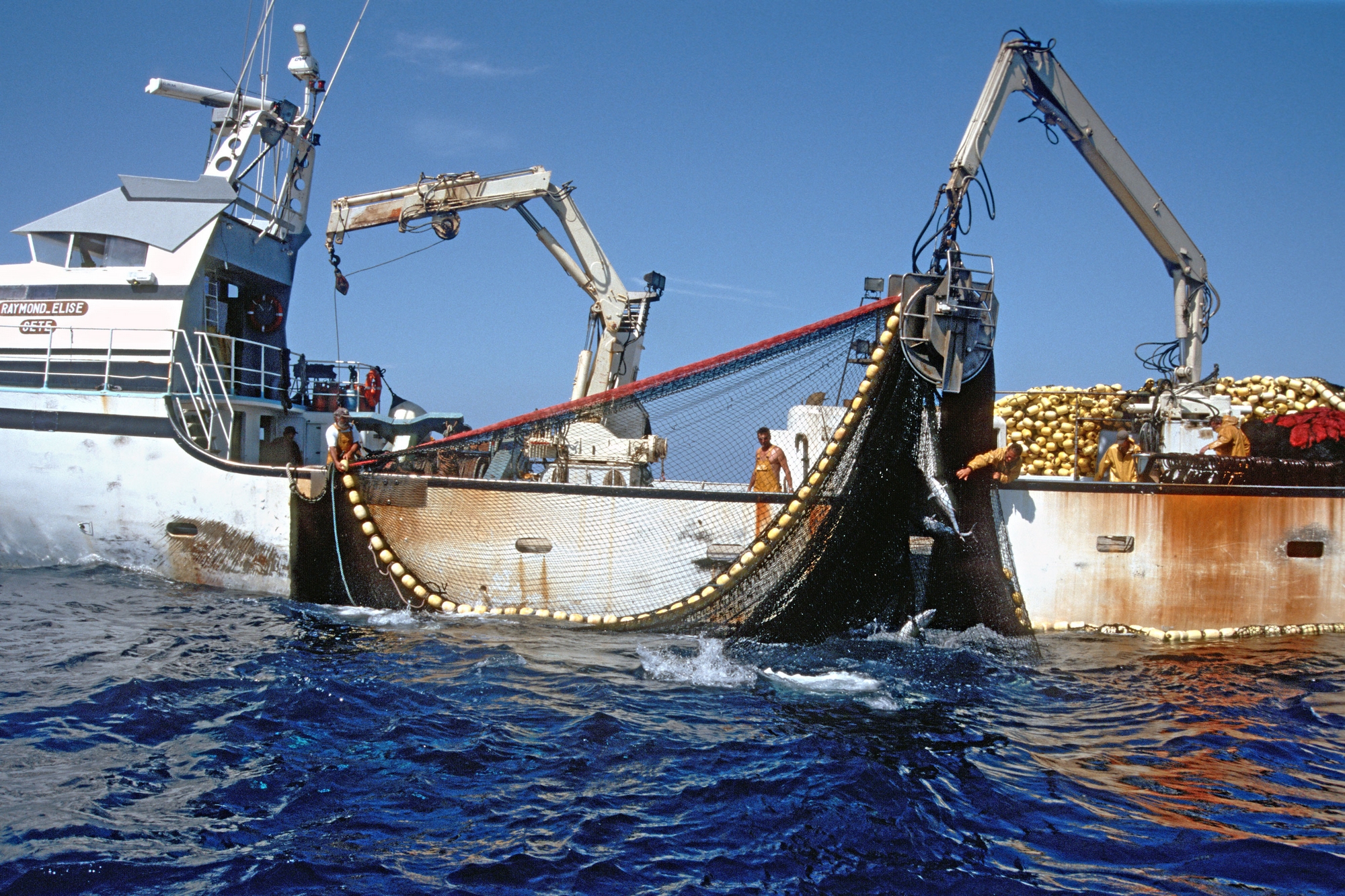
Bluefin tuna are caught by trawl, hook (handline, troll, longline) or in “traps” (fixed traps near the coast) but they are mostly caught by tuna seiners. In the Mediterranean, more than 90% of bluefin tuna catches are made using this method. These hypersophisticated, powerful and fast industrial fishing vessels (speeding at 16 knots or 50 km/h) are capable of detecting shoals thanks to state-of-the-art electronics (radar, sonar). They deploy the “seine”, a gigantic net dropped in an arc that can cover up to 20 hectares at sea, and catch the quota allocated to them in just a few days.
This method raises questions because it targets large individuals that come to breed in specific areas (especially around the Balearic Islands, Sicily and Malta) over short periods (mid-May to mid-July). Not only does it literally “empty” the marine environment, but it also harms non-targeted and highly endangered species (manta rays, turtles, sharks, cetaceans), especially since many tuna vessels use fish concentrators. (FADs), intelligent floating systems that attract fish and remotely inform vessels of the amount of fish present. In this case, by-catches may represent 5% of the fishery.
A fishery considered unfair
In the Mediterranean, many consider industrial seine fishing to be unfair, with a few large vessels sharing out almost all the quota to the detriment of small vessels which are now demanding greater access to the resource.
Bluefin tuna is also subject to arecreational or sport fishing (when you are affiliated to a federation), which is extremely well regulated, with a ban on the sale of fishing products. For the year 2020, the quota allocated to recreational fishing in France is 60 tonnes. In Monaco, the conditions for catching bluefin tuna are laid down by sovereign ordinance
.
Thon rouge pêché en Italie- (c) CommonMedia
A traditional fishing scene immortalized by Rossellini
Une scène mythique de pêche du thon rouge à la madrague a été immortalisée dans le film « Stromboli » du réalisateur italien Roberto Rossellini tourné dans les années 50 sur l'île-volcan de Stromboli, une des îles Éoliennes au nord de la Sicile.
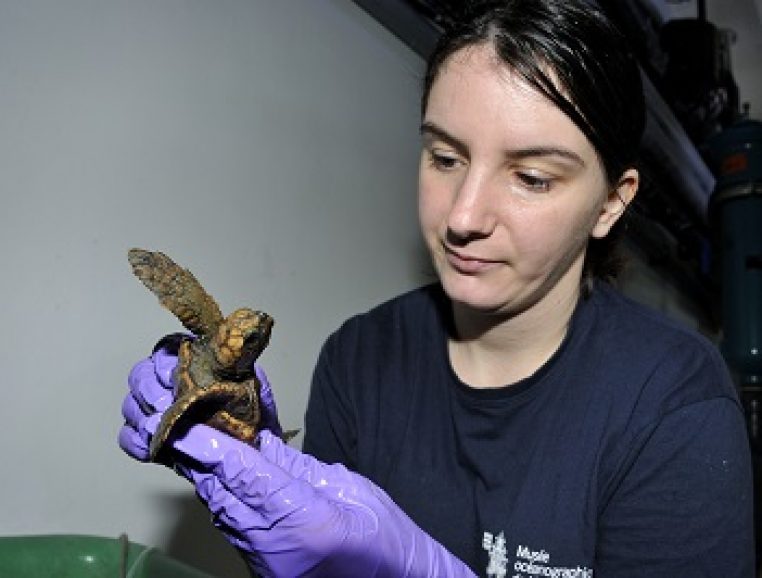
In 2014, Rana was still just a baby loggerhead, one of seven species of sea turtles on the planet. Found stranded in the port of Monaco, she was barely saved by the Oceanographic Museum team. Today, fully recovered, Rana travels the oceans. Becoming a symbol of the sea turtle cause, her story helped inspire the creation of a turtle care centre at the Oceanographic Museum in Monaco.
Le fabuleux destin de Rana la tortue
The story begins on April 9, 2014: a young loggerhead turtle is found in hypothermia in the port of Monaco while still a baby.
Weakened, dehydrated and close to death, she measures barely ten centimetres.
She was then entrusted to the teams of the Oceanographic Museum of Monaco who took care of her and provided her with the necessary care for her survival.
Named Rana, after her godmother, a young student with a passion for marine biology, the turtle has regained its strength over the years and is developing in the best possible conditions.
As of April 2018, four years after her discovery in the port of Monaco, Rana measures 53 centimeters and weighs over 20 kilograms.
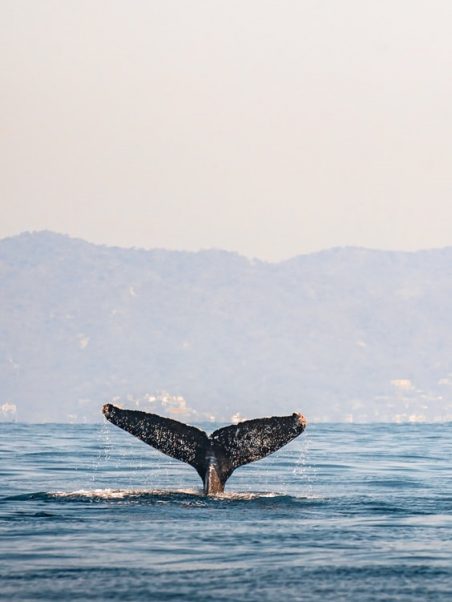
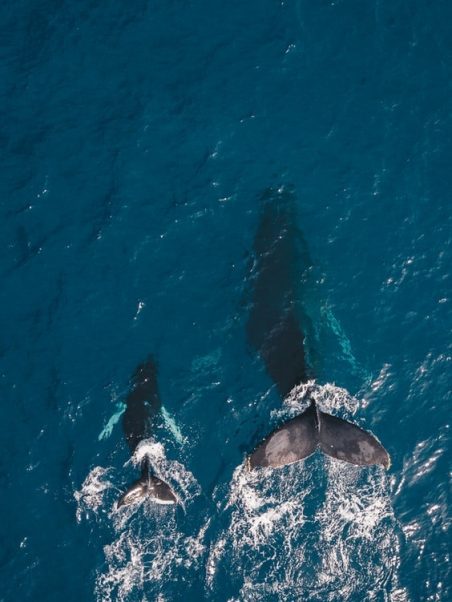
The answer is yes! There are several thousand whales living in the waters of the Mediterranean. It is even not uncommon to see their breath from far away, on crossings to Corsica, for example. Take note, however: human activity is a source of disturbance for this giant mammals, and leaving them in peace is important.
MAMMALS OR WHALES?
There are about ten species of marine mammals in the Mediterranean. Dolphins, of course (common, blue and white, Risso’s, Bottlenose dolphin), but also pilot whales, ziphiuses and some monk seals. More imposing, the sperm whale and the fin whale are also present in the waters of the Grande Bleue. But by the way, which of them are whales?
Baleens or teeth?
In common parlance, we tend to refer to all large cetaceans as “whales”. However, only “baleen whales” (mysticetes) are really whales. The fin whale (up to 22 metres and 70 tonnes) is the main baleen whale in the Mediterranean. It rubs shoulders with numerous “toothed cetaceans” (odontocetes), the largest of which is the sperm whale (up to 18 metres and 40 tonnes). Despite its imposing stature, the whale is not strictly speaking a whale, and belongs to the same family as orcas, dolphins, pilot whales, porpoises, etc.
A GIANT OF THE SEAS
The fin whale is the second largest mammal in the world, behind the blue whale. Although it is still difficult to assess its population precisely, it is estimated that a thousand individuals live in the protected area of the Pelagos Sanctuary, whose purpose is to protect marine mammals in the western Mediterranean, between France and Italy.
The fin whale feeds mainly on krill, small shrimp that it traps in its baleen plates in large quantities. It is capable of diving to depths of over 1,000 metres.
RISKS OF COLLISION
Within the Pelagos Sanctuary, small pups (about 6 metres and 2 tonnes) are born every year in the autumn.
They can live up to 80 years, if their trajectory does not meet that of the fast ships frequent in summer and which they do not seem to be able to avoid when breathing on the surface.
As with sperm whales, this is currently the main risk of accidental death for them. Hence the interest in techniques developed in partnership with certain shipping companies to equip boats with detectors and prevent collisions with these large mammals.
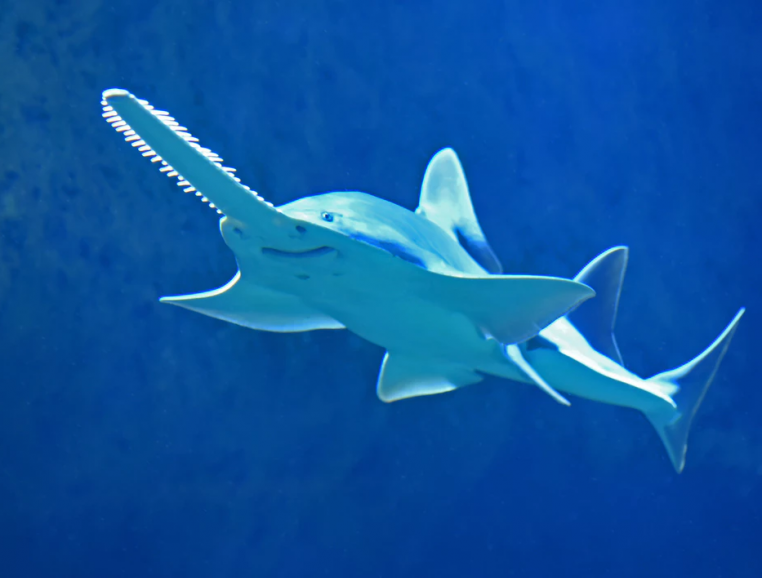
The mention of the animal is still frightening and very unpopular. A person who is ruthless in business is often referred to as a “shark”! However, beyond the mythical image of the shark, the reality is quite different.
Overcome your prejudices about sharks !
In 2013, the Oceanographic Institute’s ” Sharks, Beyond the Misunderstanding”program aimed to change the way people look at sharks. Conferences at the Maison des océans in Paris gave the public the opportunity to talk with leading specialists and shark lovers who came to talk about their exceptional experience of living close to these great predators.
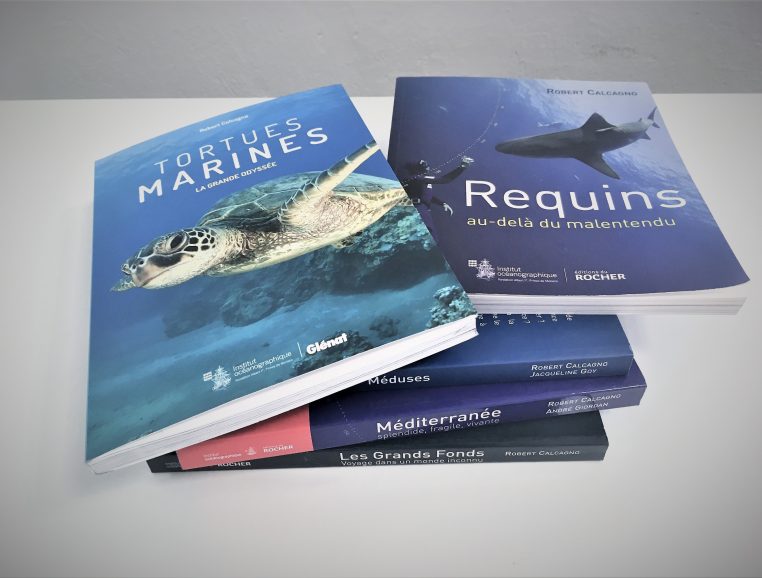
The book ” Sharks, beyond the misunderstanding ” takes stock of these super predators with a terrible reputation.
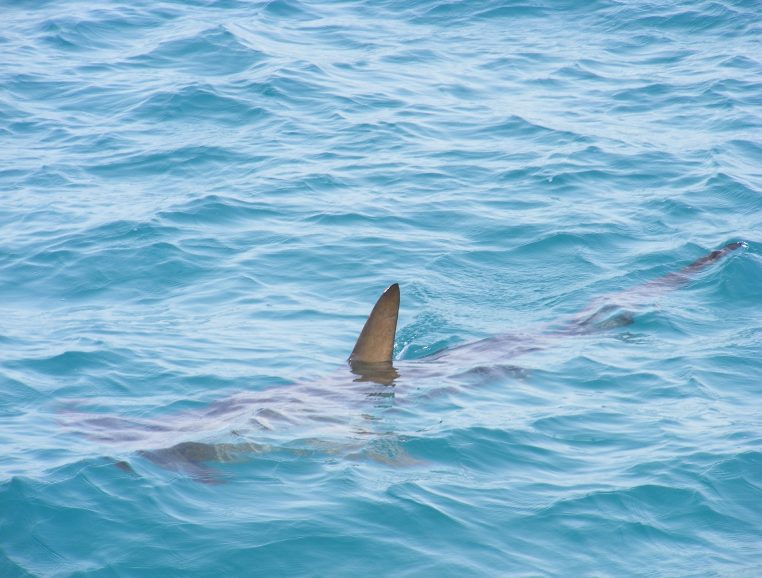
A fin suddenly breaks the surface before diving as a bather approaches… This is a sight that is enough to empty the most crowded beach in a few seconds. A representation engraved in our imagination, which crystallizes all our fears.
Always on the lookout for prey that will have little chance of escaping their vigilance, outrunning them or resisting their impressive jaws, sharks have the reputation of being the most ferocious of marine animals, and man’s “best enemy”.
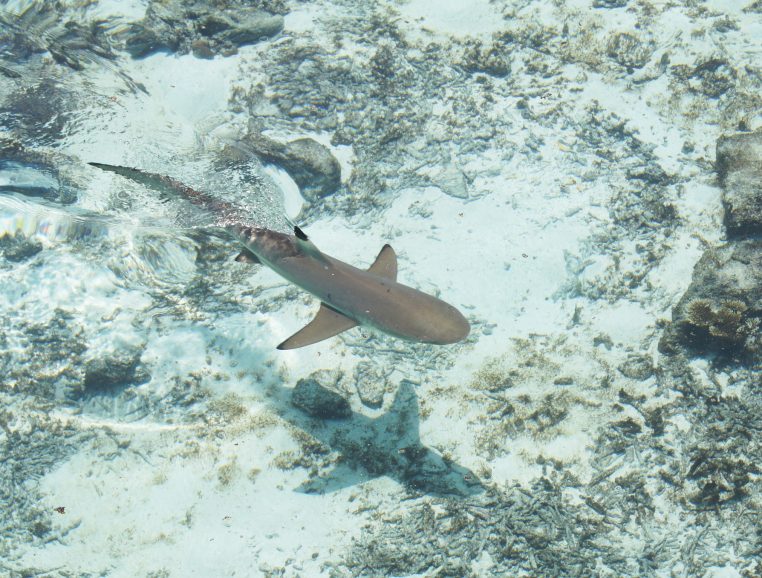
The image of the super-predator has haunted us for centuries. The cinema as well as the media are there to terrorize even the most marine among us. The reality is not so caricatured. These fish, much less dangerous than we think, are no less fascinating.
Shark attacks: leaving your preconceptions behind
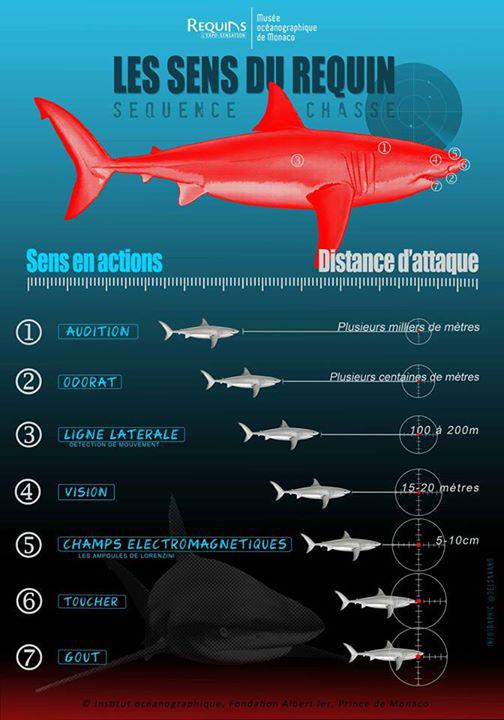
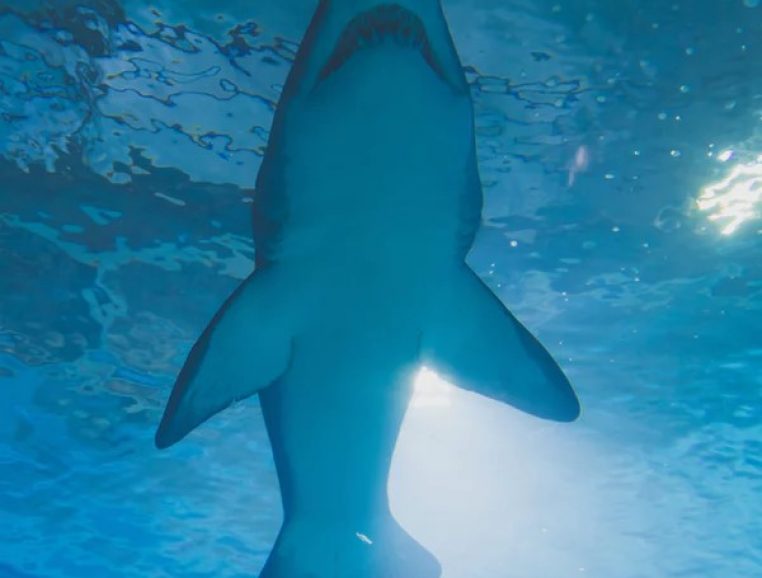
To detect prey, the shark is equipped with a number of organs and sensory sensors that allow it to orient itself and move, making it an efficient predator.
It is not one sense in particular that gives the shark the advantage, but rather the complementarity and synergy between them all. Depending on the environmental conditions, they will be useful at different times.
The sense of smell is effective over a few tens of kilometres, to detect prey at a distance; vision allows the preparation of an attack over a few tens of metres, and the detection of electric fields allows the exploration of the surroundings within a radius of two metres.
The super powers of sharks
Do sharks have ears?
Do sharks have good eyesight?
Sharks do not have ears as such, but pores on the top of the head.
In the absence of an eardrum, the whole body acts as a receiver of sound vibrations which are then transmitted to the inner ear.
The latter is particularly powerful and governs not only hearing but also balance and orientation.
Sharks are sensitive to low, or even very low, frequencies, which propagate best in an aqueous environment.
Often hampered by the turbidity of the water, sight is perhaps the sense least used by sharks in searching for and detecting prey.
In general, it is the contrasts that they distinguish particularly by twilight vision.
The glow that can be seen in the eyes of the great white at dusk or in semi-darkness is due to the presence of a kind of reflector, the tapetum lucidum (Latin for “shiny carpet”) which improves vision in low light.
The sense of smell, a very powerful sense
The ampoules of Lorenzini
The sharks smell “in stereo” and detect where the smell is coming from, and trace it back to its source for about ten kilometres. They are sensitive to dilutions, for blood, of the order of one centilitre (the value of a thimble) diluted in 100,000 litres of water.
These are tiny pores scattered around the eyes and mouth, which detect the weak electrical currents produced by living things (even those buried in the sand), as well as variations in water temperature and salinity.
The sensation of touch in sharks
The lateral system, a specific sensor
The highly developed sense of touch is similar to a kind of “skin taste” made possible by the presence of sensory crypts all over the body. These receptors, distributed throughout the body, allow the shark to appreciate the environment in which it is moving.
A simple touch is enough to tell the shark if the prey it is considering is suitable. That’s why he sometimes just shoves without biting.
The strength of the animal and the roughness of the skin make this contact dangerous.
But it also has a “real” taste, via the taste buds, also called “barrel organs”, which line its oral cavity
Sharks do not perceive their prey by smell alone.
Like other fish, they have thousands of pores along a line from head to tail that are sensors for pressure and mechanical vibrations.
The presence of these organs explains why sharks react so immediately to sounds produced in the water by blows or colliding objects.
Are all shark attacks fatal?
It is not known why sharks sometimes attack humans. A misunderstanding or a defensive reaction is often cited. It is also possible that the shark may see humans as potential prey, even if they are not part of its usual diet.
Given the size and strength of a human being and a shark, a bite, even if it is the result of a mistake, can be serious and even fatal for the victim.
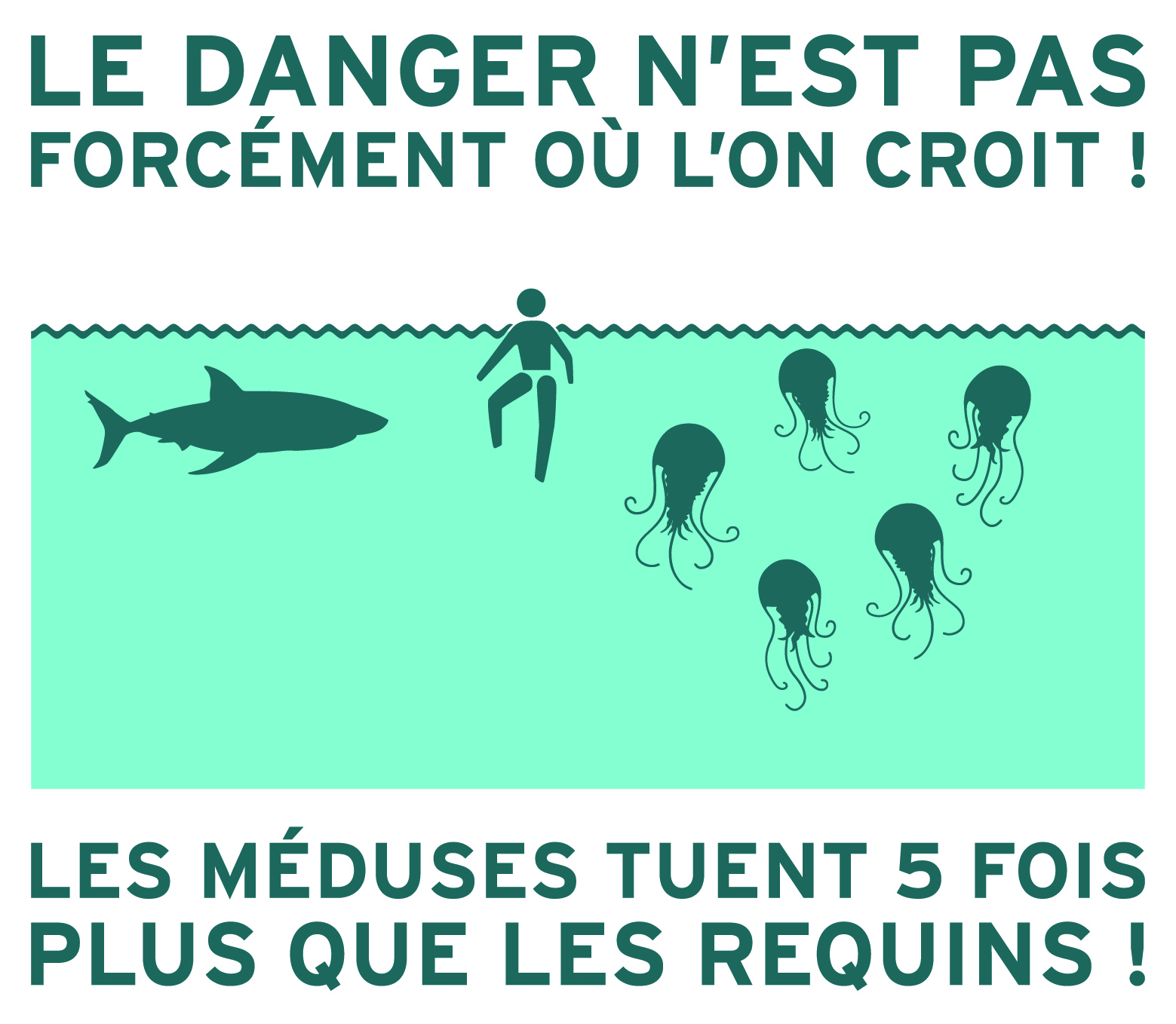
The few dozen attacks that occur each year around the world do not always result in death. In terms of dangerous animals, mosquitoes are the most dangerous serial killers. Even dogs, which are domestic animals very close to humans, kill more than sharks.
Attacks under high surveillance
The first global shark attack file, theInternational Shark Attack File (ISAF), was created in the United States in 1958.
Developed by a group of scientists at the request of the U.S. Navy, its objective was to investigate the respective roles of environmental factors and victim characteristics in triggering attacks.
The impact of shark accidents on the tourism industry has led to the creation of new research structures and databases: the Australian Shark Attack File in Australia and the Natal Sharks Board in South Africa, which now make it easier to compare shark attack figures.
In 2013 and 2014, under the impetus and chairmanship of H.S.H. Prince Albert II of Monaco, the Oceanographic Institute organised two international expert workshops on sharks to create a ” Shark Risk Toolkit “. Its objective: to bring together existing solutions around the world to protect against shark attacks, while putting into perspective the reality of the risks incurred by humans.
Protecting and conserving sharks: a worldwide emergency
Sharks are victims of fishing and bad practices. The industrialization of fishing and man’s voracious appetite for shark products mean that 50 to 150 million of these animals are killed each year by man.
The late sexual maturity of sharks and the low number of offspring are limiting factors in the renewal of their populations, and today shark populations are clearly threatened.
The horror soup
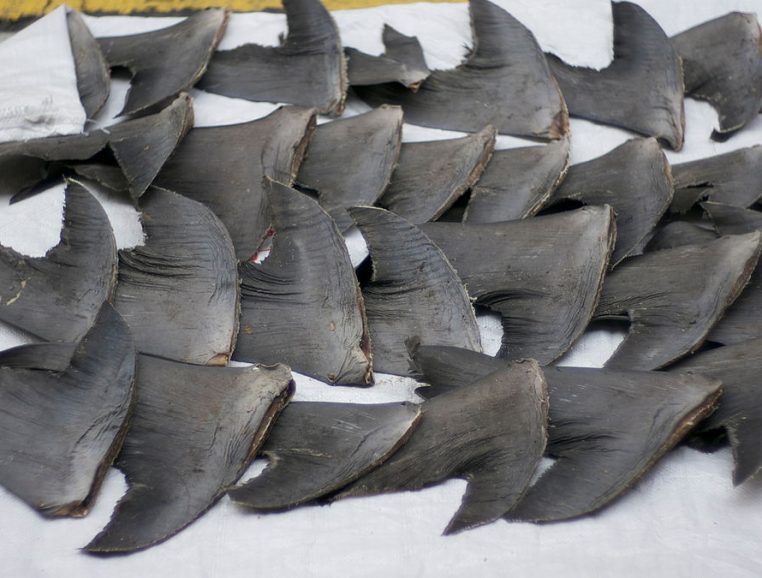
More than two-thirds of sharks are harvested solely for their fins. To satisfy the growing demand, some fishermen have found an extremely profitable solution, which consists in cutting off the fins on the spot and throwing back into the sea an animal that is condemned to death anyway. This is called “finning”.
Of the 100 million sharks killed each year, 73 million are killed for soup. Some countries prohibit this practice at sea and force fishermen to bring whole sharks back to port, in an attempt to limit the slaughter and not waste this resource.
Shark fin soup is a popular traditional Chinese dish with supposedly aphrodisiac properties. Long reserved for celebratory meals in Hong Kong, where 89% of the population serves it at wedding feasts, it became available to millions of people in the 1990s, following the Asian economic boom.
Sharks, essential to the balance of the oceans
Sharks are the keystone of marine ecosystems, ensuring their balance and resilience.
If sharks were to become extinct or scarce, ecosystems would be disrupted and many other species would be threatened by a “cascade effect”.
When a predator disappears, its usual prey grows rapidly and in turn increases the pressure on its prey.
The entire ecosystem is disrupted by the disappearance or depletion of top predators, including the various species of commercial interest.
The fishing industry may therefore suffer from a cull that it caused.
Shark and carbon storage
It has recently been recognized that cetaceans and large pelagic fish such as sharks and tuna play an important role in the climate change issue because of the biomass they represent.
Containing 10 to 15% carbon in their flesh, they sequester a lot of carbon in the ocean. When they die by natural mortality, old age or are eaten by predators, the carbon they contain is recycled into living matter or buried at the bottom of the ocean, sequestered for thousands, even millions of years.
However, when they are fished and extracted from the ocean, the carbon is then put into circulation on the surface of the planet and ends up as CO2, contributing to the greenhouse effect. To this must be added the large quantities of CO2 released by the fishing activities themselves, which are carried out in ever more remote locations.
To combat climate change, some experts advocate restoring fisheries and apex predators, i.e. stop fishing them and just leave them in the water.
Shark protection and conservation: a global emergency
In the past, it was considered that a good shark was a dead shark!
Recent research has highlighted the ecological role of sharks in marine ecosystems.
As predators at the top of the food chain, sharks regulate the prey populations on which they feed.
Overexploitation of these top predators has cascading effects in the food chain that are detrimental to the ecosystem and to fisheries, as it can lead to an outbreak of species undesirable to humans.
Because of their regulatory role, sharks are increasingly being incorporated into fisheries management plans.
At the initiative and under the leadership of HSH Prince Albert II of Monaco, and thanks to impassioned discussions between international experts, a “toolbox for handling shark risks” was created. Its aim is to gather together all existing solutions from around the world for preventing shark attacks, while highlighting the actual risks undergone by people.
A document drafted during a meeting organised by the Oceanographic Institute
In 2013 and 2014, the Oceanographic Institute organised two workshops for international experts on sharks. In the wake of the second workshop, significant research work was carried out and produced this single document, the “toolbox for handling shark risks”. This document, which overcomes the obstacle of conflict between man and animal, draws up a wide-ranging view of existing solutions and those in development to tackle the risk of shark attacks.
Instead of exterminating every shark in the ocean, this “toolbox” shows that an organised and peaceful cohabitation with sharks is now possible.
Very low risk of fatal attacks
The risk of a fatal shark attack is extremely low at a worldwide level: there are only around ten such attacks per year. This pales in comparison with the risks associated with sports or with other animals such as mosquitos, which kill over 800,000 people every year. Only five of the almost 500 species of shark represent a danger to humans, owing to their large size and their diet. Most accidents are caused by great white sharks, bulldog sharks and tiger sharks, which frequently swim near the coastline.
In spite of the low number of accidents, each attack is heavily mediatised, which damages the reputation of sharks.
11 sheets on concrete solutions
There are solutions to the risks posed by sharks. The 11 sheets in this dossier set out a number of initiatives from locations around the world that are known for shark attacks on people. Information, shark forecasts, search and alert, shark watch, shark spotters, separation net, individual repellant, drones and artificial intelligence, detection buoys, anti-shark barriers and radiating cables are the 11 solutions discussed in the “shark toolbox”. There is no one solution that can be transposed everywhere and whichever system is adopted must be suitable for the local circumstances, as determined by the geography, the species present and their habits, as well as the social context.
En choisissant de consacrer aux seigneurs des mers une grande exposition, et plus largement un cycle de conférences, des colloques et un ouvrage de vulgarisation, l’Institut océanographique souhaite inviter le public à dépasser des stéréotypes bien ancrés, pour partir à la rencontre de ces super-prédateurs, bien plus menacés que menaçants"
Allowing a successful cohabitation between people and sharks
There are thus innovative solutions available today to meet the risk of sharks without exterminating them from the ocean. It must be remembered that these animals are essential for the good health of the oceans.
Combating plastic pollution, picking up litter in town, at the beach or in the mountains and selectively sorting your rubbish is already a great contribution towards saving the oceans. Do you want to take concrete action to save the planet and put your skills or energy to good use for a cause that you hold dear?
The Mediterranean Sea contains over 3000 billion microplastic particles and as such is the most polluted sea in the world. In light of this finding, the Prince Albert II Foundation, the Tara Expéditions Foundation, Surfrider Foundation Europe and the Mava Foundation have joined forces to bring the Beyond Plastic Med (BeMed) initiative to life.
this foundation organises aquatic campaigns to clean up the seas and its purpose is to defend, protect, promote and manage sustainably the ocean and the shoreline.
is one of the world’s leading independent environmental organisations, with an active network in more than 100 countries and the support of nearly 6 million members.
The ocean is essential to life on Earth. It produces oxygen and absorbs most of the carbon dioxide. But our actions are having an increasing impact on marine life. We can no longer ignore the fact that our individual and collective lifestyles and consumption patterns are a significant part of the problem. This is why the Oceanographic Institute invites you to be part of the solution! Join our efforts and help us protect turtles and the ocean by participating in our actions or by making a donation.
By subscribing to the Association of Friends of the Oceanographic Museum of Monaco, you will also contribute to supporting the Museum’s and the Oceanographic Institute’s outreach activities.
The Friends of the Museum Association
The Oceanographic Museum of Monaco is counting on the precious support of the Association of Friends of the Museum to make the protection of marine turtles loud and clear. To symbolize its commitment and its attachment to these values, this association promotes the Museum’s influence and helps it to carry out its projects.
From “Volunteer” to “Lifetime Benefactor”, there are five different ways for members to get involved in the Museum’s activities, either by giving their time or by participating financially and politically.
Discover the counterparts and help the action of the Museum in favour of the marine turtles by becoming one of our faithful friends…
Distribute information on the uncertain future of turtles, share messages from the Oceanographic Institute, encourage your friends and family to get involved as well…There are many ways of becoming an influencer for the ocean.
BECOME THE VOICE OF THE OCEANS
Speaking up is one of the most powerful things you can do. While the future of the ocean may seem to you to be in the hands of government or corporate decisions, we believe in the power of individual action within a collective framework. Hence the need to link concerned citizens such as ocean lovers: this will give scope to the actions undertaken because there are no small gestures when there are several million of us doing them. They will only have more influence on the health of the ocean and the actions of decision makers. Share the Oceanographic Institute’s curatorial messages from the Museum’s Facebook, Instagram, Twitter and YouTube accounts (also on the Institute’s LinkedIn page).
FIND OUT MORE
Do not hesitate to inform yourself to know more about the oceans and to keep yourself informed on the subject. Follow the conferences around the oceans, read books, watch the many documentaries that exist on the issue, you will enrich your culture but also your influence. You will discover experiences carried out elsewhere, initiatives from far away that you may want to reproduce at home… Don’t hesitate to spread more good news than bad news in order to bring solutions to problems. Being an ocean influencer involves a certain amount of optimism
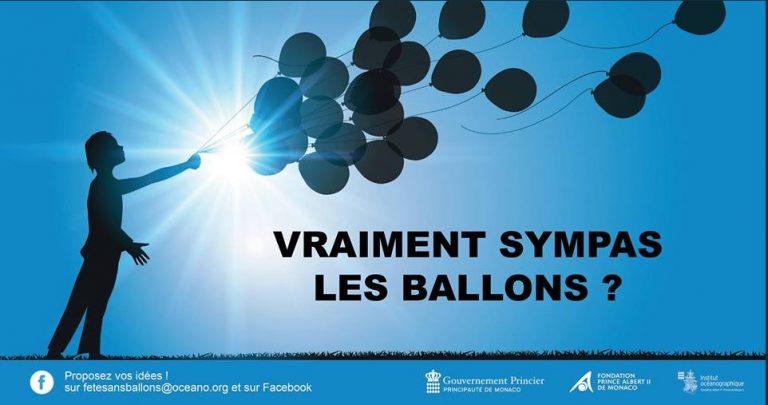
SUPPORT THE “PARTY WITHOUT BALLOONS” INITIATIVE
Balloons evoke festivity, joy and conviviality, but when released into the air, they very often end up in the ocean and thus become a threat to many species: sea turtles, dolphins and birds mistake them for food, ingest them and often die from them. Initiatives exist, but others can still be invented to celebrate a moment of happiness in the long term. The Oceanographic Institute and its partners invite you to an idea contest: together, let’s invent a party that also pleases the sea turtles. Submit your ideas on our Facebook group.
Find out more and learn more about the actions possible thanks to our partners and their initiatives:
Beyond Plastic Med (BeMed) initiative: initiative on plastic in the Mediterranean (Prince Albert II of Monaco Foundation, Tara Expeditions Foundation, Surfrider Foundation Europe and Mava Foundation)