The seven species of sea turtles in the world

Out of more than 300 species of turtles, only 7 live in the sea

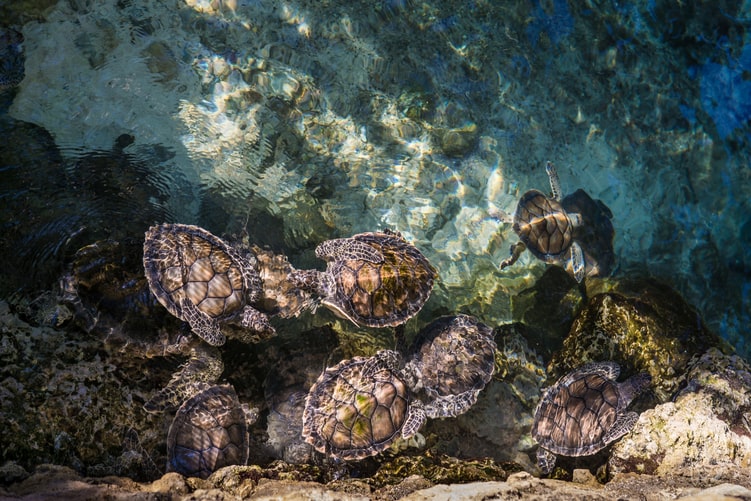
There are more than 300 species of turtles in the world, of which 250 are aquatic (living in freshwater, wetlands and marshes), 60 terrestrial and only 7 marine, as Flegra Bentivegna explains in the following fact sheet.

Six species in a single family: the Cheloniidae

Of the seven species of sea turtles, six belong to the family Cheloniidae. This family has the characteristic of having a carapace without a hull covered with scales and one or two claws on the fins. Only the leatherback turtle is part of the Dermochelyidae family, characterized by the absence of horns and scales on its carapace.

Very distinct characteristics

MOM - Tortue luth

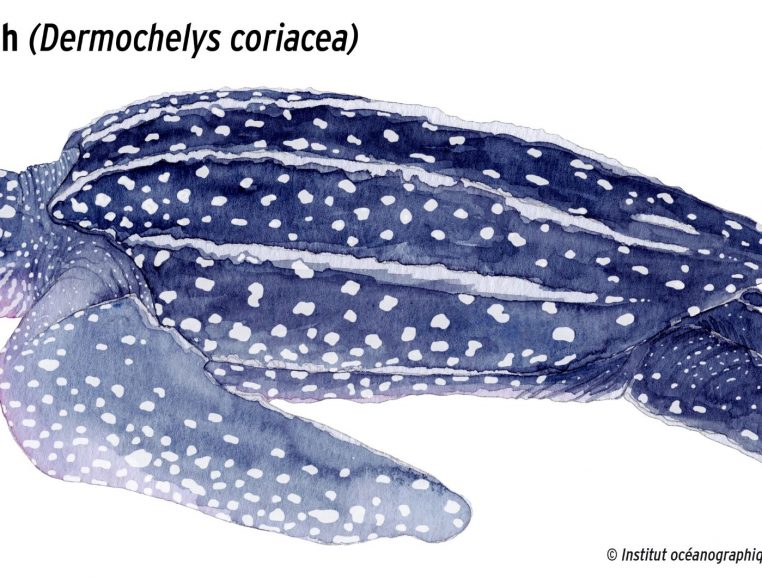
The leatherback - the most massive of turtles

Dermochelys coriacea is the only species in the family Dermochelyidae. It is the most imposing of the marine turtles. It can reach 400 kg and exceed two meters in length. Its carapace is not covered with scales but with a tough skin.

The green turtle - plant-coloured

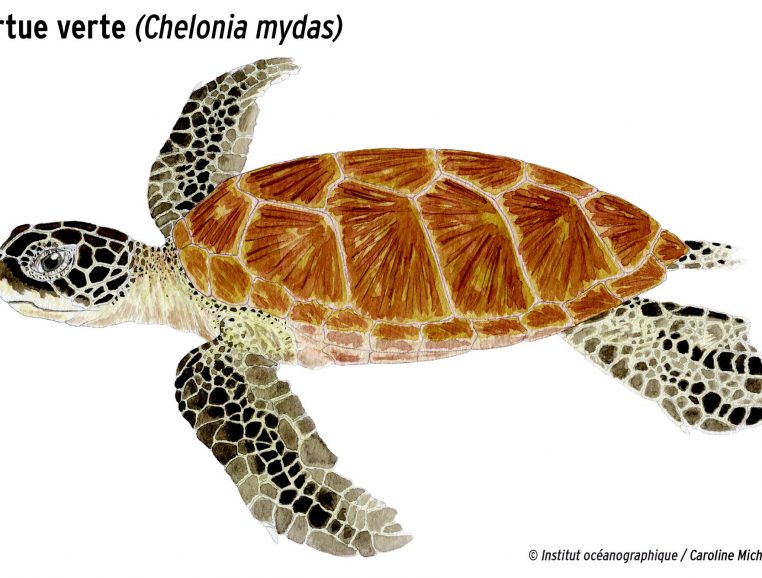
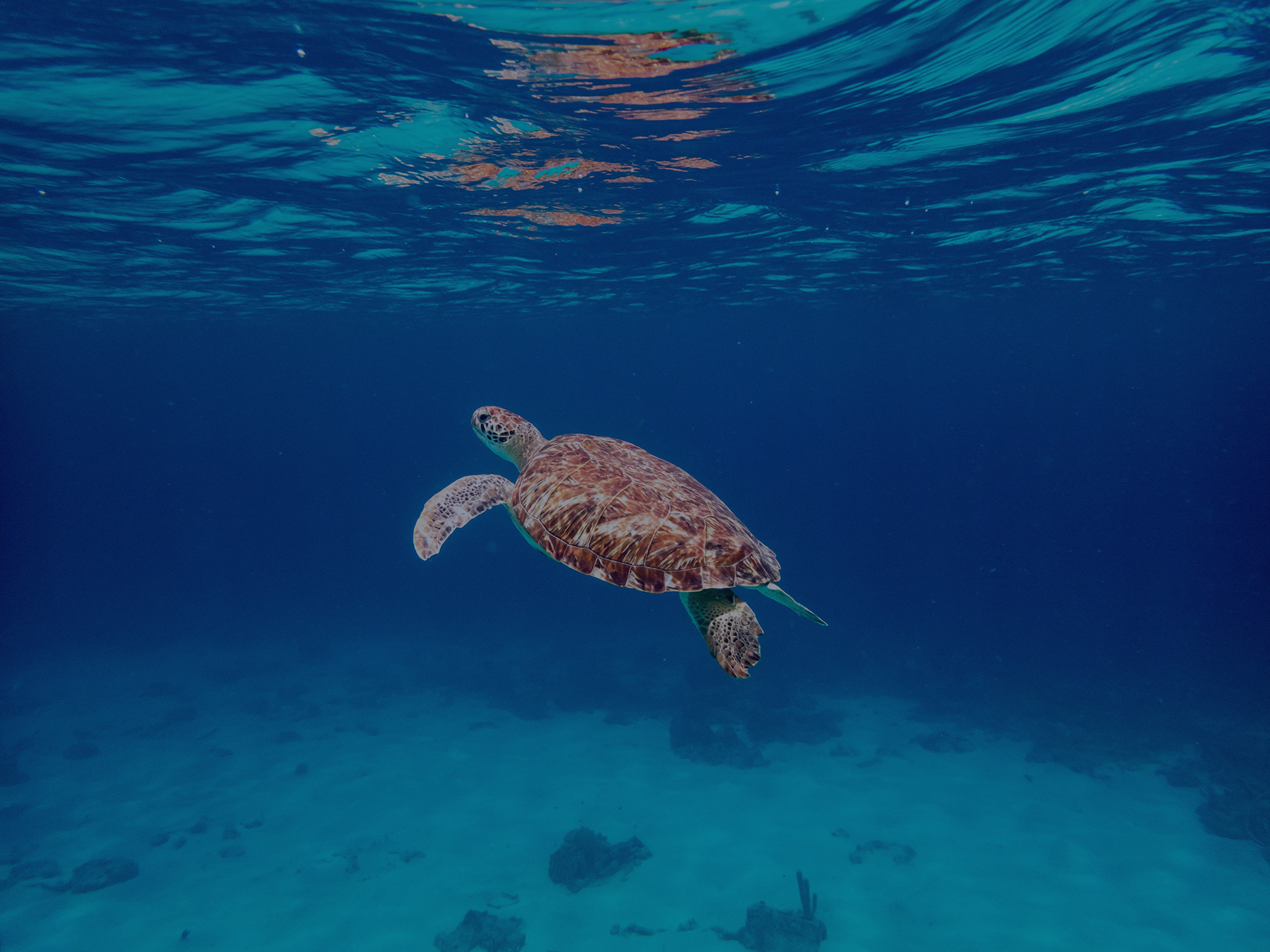
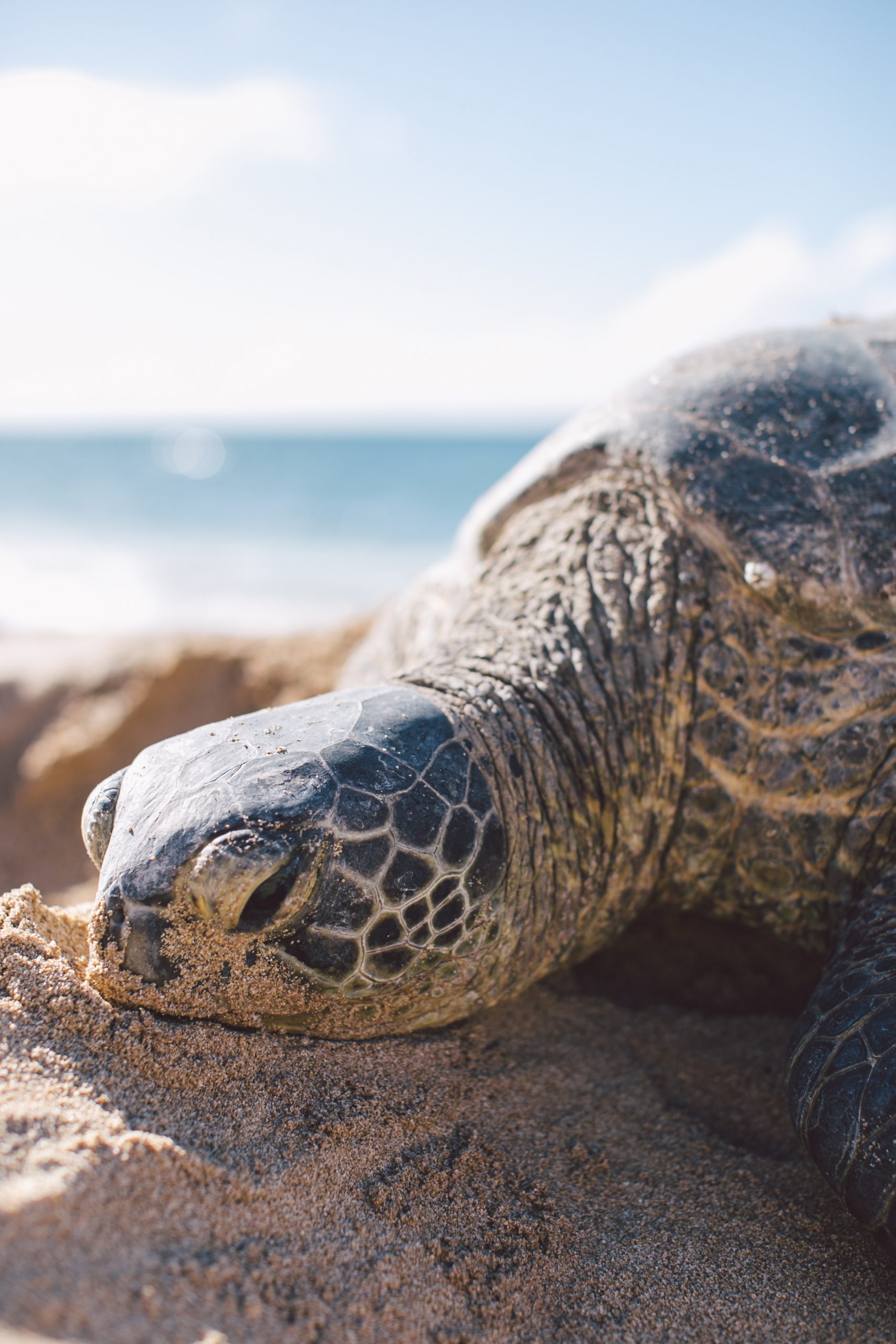
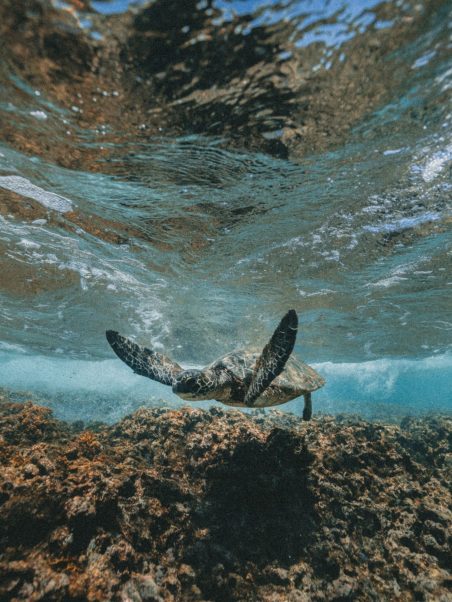
Chelonia mydas is the largest of the cheloniids. Its weight varies from 160 to 250 kg and its height from 80 to 130 cm. In the juvenile stage, the green turtle is essentially carnivorous and feeds on small crustaceans and fish.

As an adult, it becomes vegetarian and feeds mainly on marine plants. It owes its name to the unusual colour of its flesh, attributable to its diet.

MOM - Tortue verte
MOM - Tortue caouanne

The loggerhead turtle - a carnivore’s effective jaws

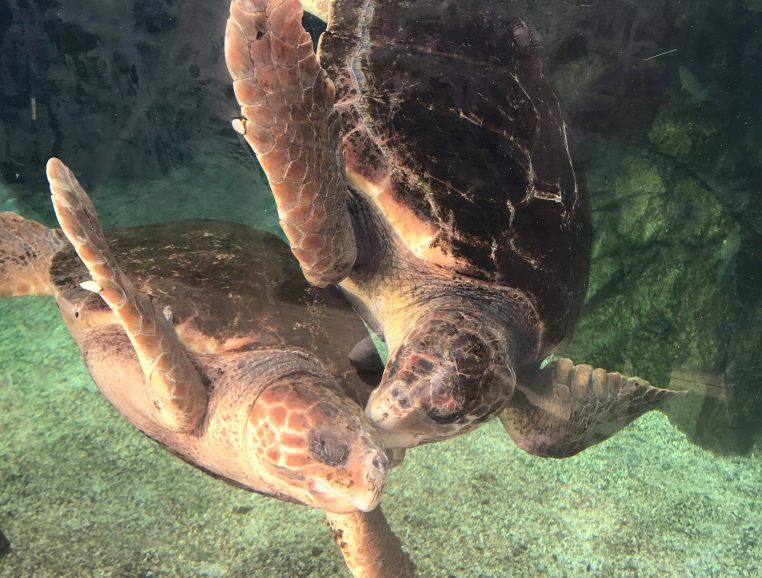
Caretta caretta measures up to 120 cm for 200 kg. Carnivorous, it eats jellyfish, small fish, crabs and shrimps. A powerful jaw muscle allows it to crush the crustaceans before ingesting them.

The hawksbill turtle - a prized beauty

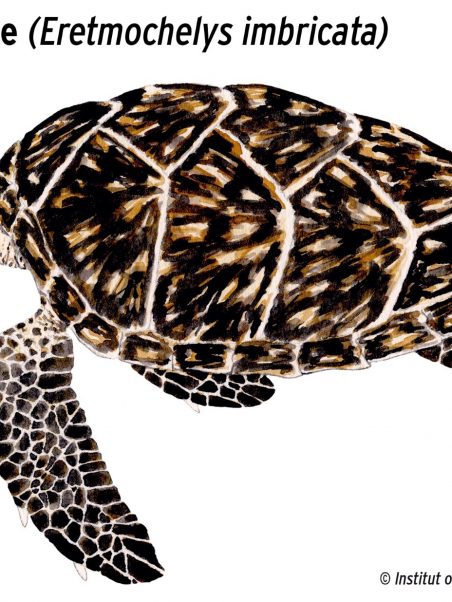
Eretmochelys imbricata weighs from 60 to 90 kg for a size of 60 to 120 cm. Omnivorous, it feeds on sponges making its skin toxic for humans. This characteristic has allowed him to stay away from poachers interested in meat. However, it is hunted for its beautiful scales that are easy to make into crafts such as combs or jewelry.

MOM - Tortue imbriquée
MOM - Tortue olivâtre

The olive ridley turtle - ready for landing

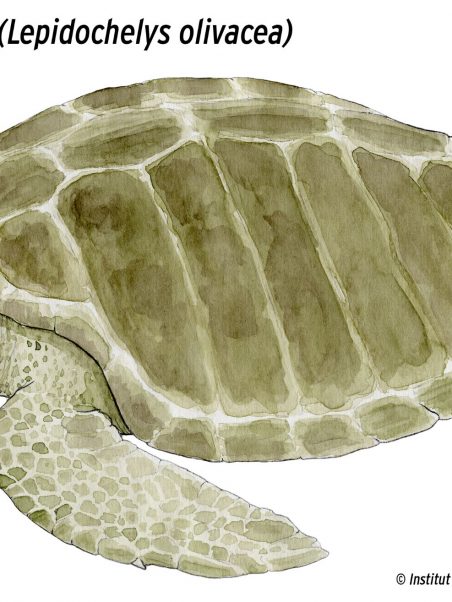
Lepidochelys olivacea owes its name to the olive-green colour of its carapace. It measures from 50 to 75 cm for a weight of 40 to 50 kg. It is known for its massive landings (called “arribadas”, in Spanish) of females coming to lay eggs on beaches of the Pacific coasts of Central America (Mexico, Costa Rica, Panama), as well as in South America, on the coasts of Surinam.

Kemp's ridley turtle - the shy one

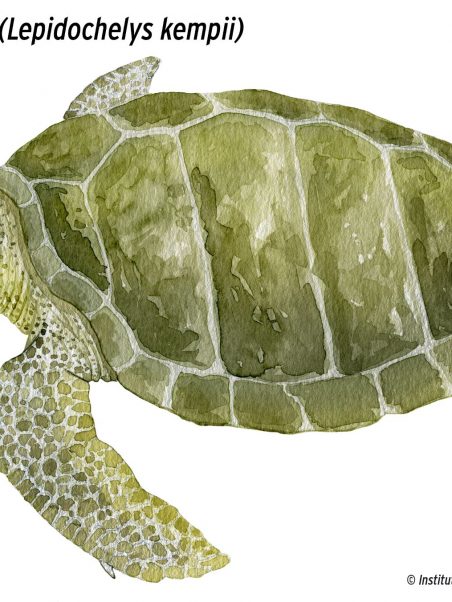
Lepidochelys kempii is the rarest and most discreet. It is also the smallest: from 45 to 70 cm for 30 to 50 kg. It lays mainly on the Mexican beach of Playa de Rancho Nuevo.

MOM - Tortue de Kemp
MOM - Tortue dos plat

The Australian flatback sea turtle

Natator depressus is found exclusively between Australia, Papua New Guinea and Indonesia. To date, only a few beaches in northern Australia seem to be home to them for breeding. Its name comes from its particularly flat shell. It measures from 95 to 130 cm for a weight of 100 to 150 kg. Its diet of sea cucumbers, shellfish and jellyfish makes it a carnivorous turtle.

The disputed existence of an eight species

Some specialists speak of eight species of turtles. This subject remains controversial: Chelonia agassizii is sometimes considered as a subspecies of the green turtle Chelonia mydas.

Whether there is one more species or not, the current threats to marine biodiversity encourage us to marvel at these “seven sea turtles of the world” and protect them.

See also

couverture du livre sur les méduses - Institut océanographique

Editions

Mapping Buyle

Explorations de Monaco

Albert Ier sur passerelle - Institut Océanographique de Monaco

Key figures

S.O.S. Turtles

A game to raise awareness about the protection of marine turtles

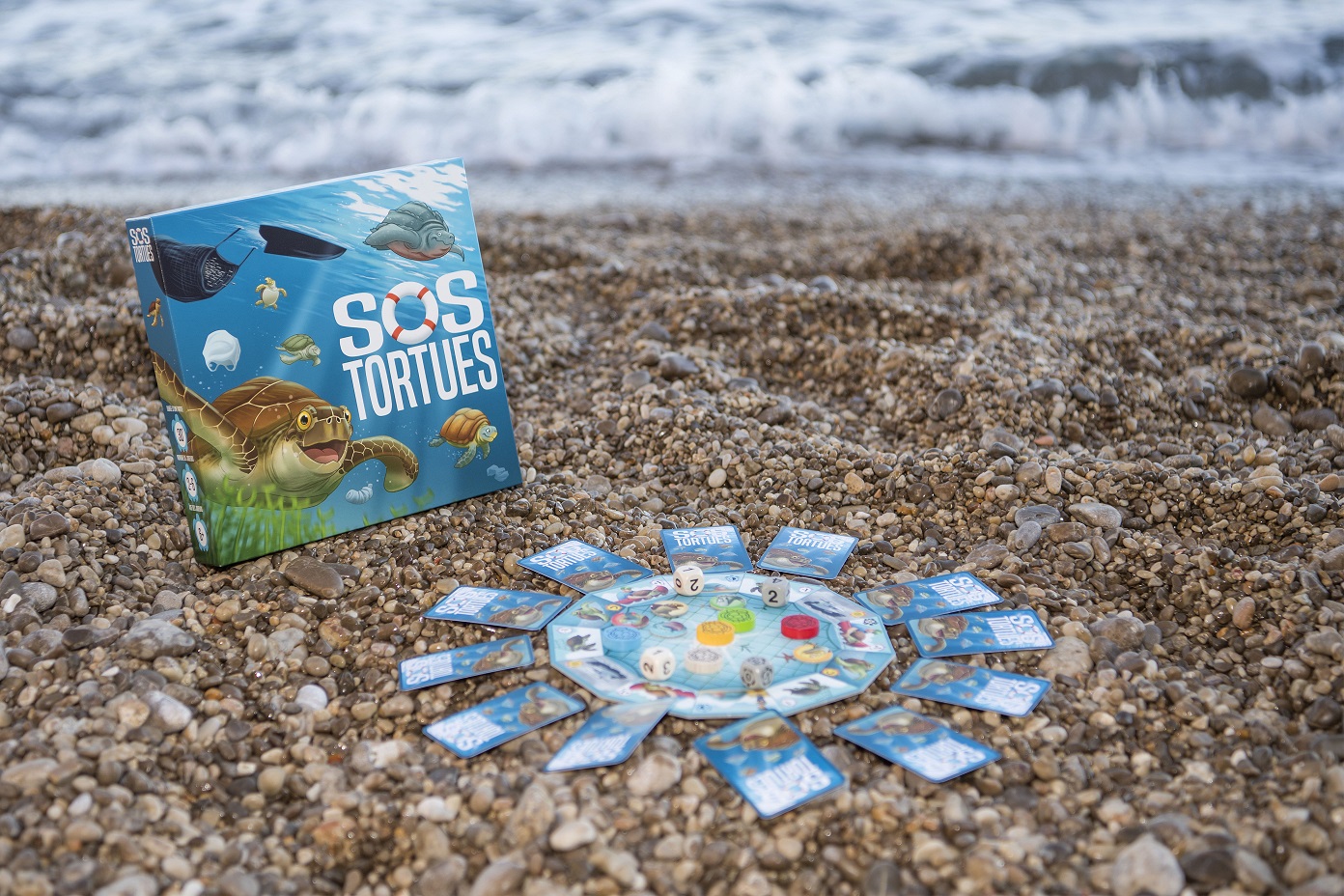
In 2017, the Oceanographic Institute and the Prince Albert I Foundation joined forces with the Monaco company Éléments Éditions and released an ecologically designed board game, S.O.S. Turtles, to enable families to understand the challenges of protecting sea turtles from the dangers of human activities.

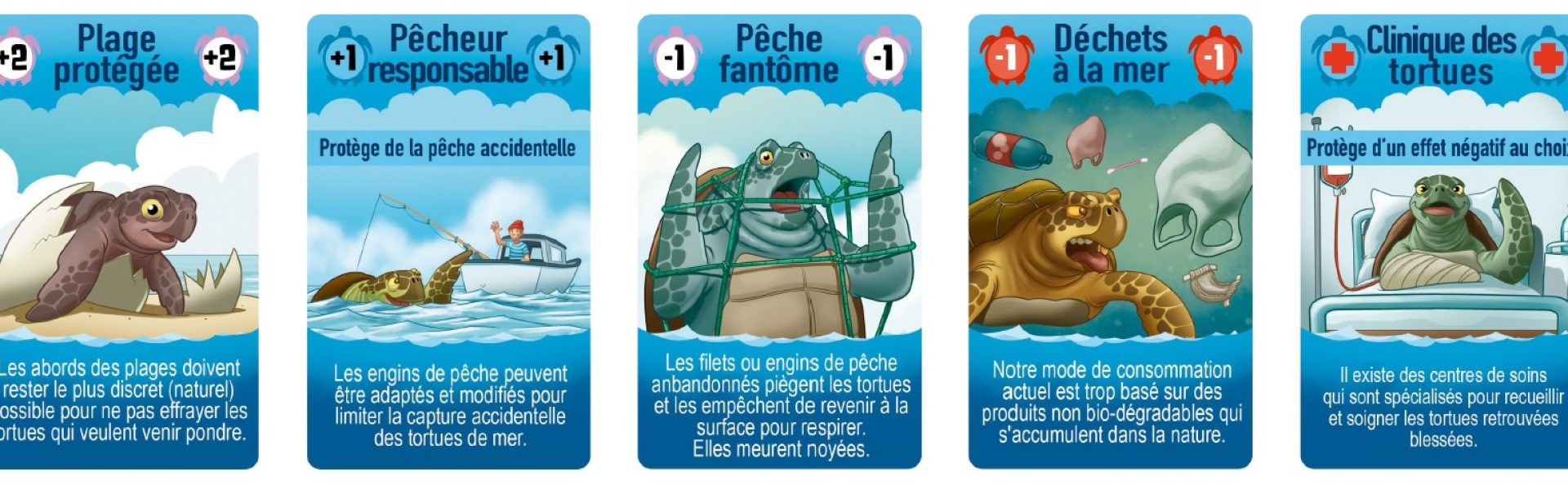
Exemples de carte SOS Tortues

Learn as a family to act for the environment

Each player chooses a species of sea turtle. His mission will be to protect it from the wind so that it can reproduce.

The player who has protected the most individuals of his species wins the game.

However, there is no competition, the players help each other in all dangers: overfishing, destruction of beaches, involuntary fishing…

This simple board game can be played by two to six players. The duration of a game is about 30 minutes.

An ecologically designed board game

To remain consistent with the ambition of the game, its creators (Cédric Duwelz and Éléments Éditions) have observed all the rules of eco-design: wooden dice, paper from sustainably managed forests and a fabric bag.

None of the parts are made of plastic in order to better respect the environment. All the illustrations are original and were made by Olivier Fagnère.

After a crowdfunding campaign at the end of 2016 on the Ulule platform, the game is now published for the general public and offered at a price of €29.90.

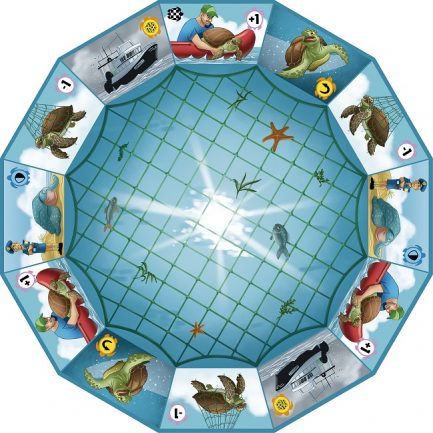
plateau SOS Tortues

See also

couverture du livre sur les méduses - Institut océanographique

Editions

Mapping Buyle

Explorations de Monaco

1-1-01-catlin seaview

Questions about the Ocean

Partnership with French Polynesia to protect sea turtles

Permanent relations with French Polynesia

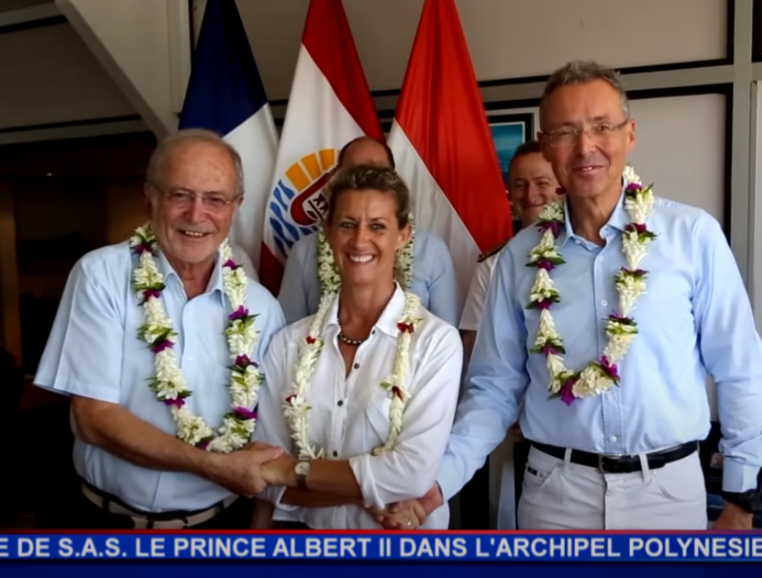
On 8 October 2015, H.S.H. Prince Albert II of Monaco was welcomed by Mr Edouard Fritch, President of French Polynesia, to discuss ocean preservation. During this meeting, H.S.H. Prince Albert II, Mr Robert Calcagno, Director General of the Oceanographic Institute, Albert I Prince of Monaco Foundation and H.E. Mr Bernard Fautrier, Vice-President of the Prince Albert II Foundation signed a partnership agreement with the association Te mana o te moana(the spirit of the ocean), chaired by Dr. M. M. M., is the first of its kind in the world. Cécile Gaspar to strengthen the protection of marine turtles in Polynesia.
Partenariat TE Mana O Te Moana

The work of the Te mana o te moana association

The association Te mana o te moana is very involved in the protection of sea turtles.

Since 2005, it has been managing a sea turtle care centre in Moorea and, since 2011, the French Polynesian sea turtle observatory.

As large as Europe, French Polynesia and its territorial waters play an essential role for regional biodiversity and Pacific Ocean turtles such as green and hawksbill turtles.

See also

couverture du livre sur les méduses - Institut océanographique

Editions

Mapping Buyle

Explorations de Monaco

1-1-01-catlin seaview

Questions about the Ocean

Tagging sea turtles in the Philippines for the first time

First turtle tagging for the Oceanographic Institute in the Philippines

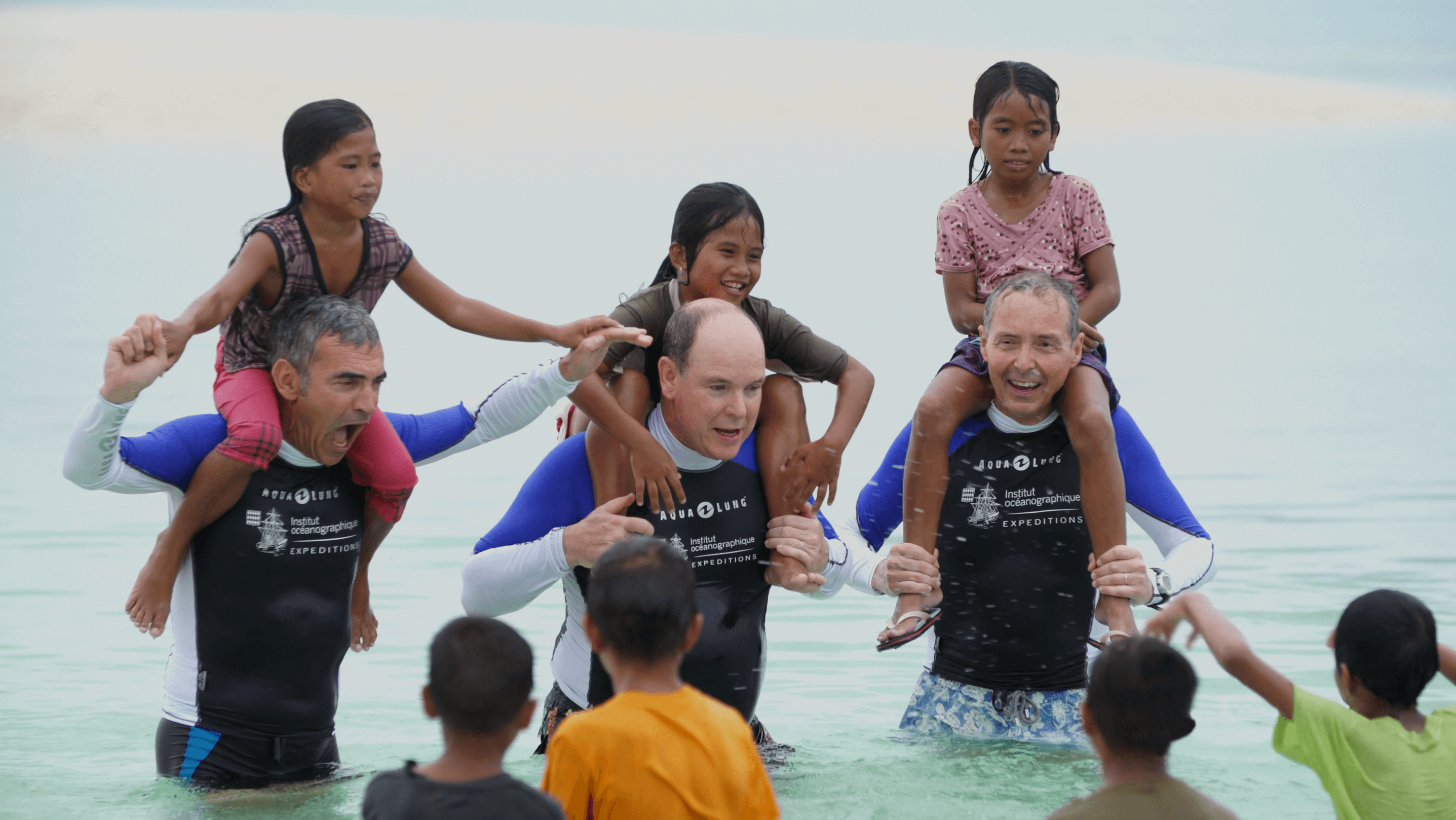
In 2016, H.S.H. Prince Albert II of Monaco took advantage of an official visit to the Republic of the Philippines, invited by President Benigno S. Aquino III, to visit the Tubbataha Reefs Natural Park, a coral atoll listed as a World Heritage Site, in the heart of the Sulu Sea.

On this occasion, H.S.H. Prince Albert II of Monaco equipped two turtles with Argos beacons. Nicolas Pilcher, member of the IUCN Marine Turtle Specialist Group and Director of the Marine Research Foundation in Malaysia, and Angélique Songco, Director of the Tubbataha Reef Nature Park, provide some analysis.

Argos beacons to follow the turtles on their odyssey

The tags are placed on two turtles: a green turtle and a juvenile hawksbill turtle; two of the seven species of sea turtles known to date.

These two specimens have been the object of much attention and have been monitored by the Oceanographic Institute and its scientific partners.

Thanks to the geopositioning emitted by the Argos beacons, it was possible to retrace their route.

Tubbataha Philippines EDM
Le Prince Albert II de Monaco a lui-même posé une balise sur l'une des deux tortues dont les déplacements seront scrutés avec attention. © Institut océanographique de Monaco

Why is there sometimes a break in the signal?

Tracking turtles with markers is sometimes difficult and signal interruptions can occur.

Several factors explain this phenomenon, according to Dr. G. G. B. Nicolas J. Pilcher: “Sometimes the turtle emerges but no satellite is present to receive the signal; this happens regularly. By chance, this sometimes lasts for quite a long time. Another reason is the quality of the signal itself. If the turtle does not stay on the surface long enough, the signal is too short to generate the geographic location.

The beacon antenna can also be challenged on principle, especially when it is covered with marine debris of natural origin (marine plants or algae for example) or anthropogenic, i.e. of human origin (plastic or other waste) that prevents transmission.”

Valuable information on turtle behaviour

Within the Park’s protected area, turtles evolve in a predictable way.

The green turtle stays on the upper part of the reef of the South islet, to feed on marine plants.

The hawksbill turtle behaves in a different way and spends its time on the outer part of the reef of the North islet.

Why? Pilcher explains that the young hawksbill turtle moves around more to find its food, which consists of meat products, invertebrates and soft corals. The green turtle, thanks to its vegetarian diet, evolves on a smaller space.

Another very interesting piece of information: the young hawksbill turtle seems to make “excursions” into deep areas and then “incursions” into the lagoon, at a very shallow depth. Although this cannot be substantiated at this stage, it is possible to imagine that it avoids some predators.

Tortue bassin
Tortue marine

Evidence from shark bites

Tourist divers, involved in the participatory science program, have observed hawksbill turtles with predation marks.

Tiger sharks, known to feed on sea turtles among other things, are very frequently seen in the area.

Divers also encountered numerous whale sharks and manta rays. These sea giants are harmless to sea turtles because they feed on plankton, small fish and crustaceans.

It is a godsend for these diving tourists who find themselves in the heart of a protected site, where they can observe the extraordinary biodiversity.

Record observation of hawksbill turtles

Angelique Songco and Retchie Pagliawa of the Tubbataha Nature Park management team inform that three years after the Tubbataha Reef Watch program was established, 2016 saw the highest number of hawksbill turtle sightings, particularly at the Black Rock and Delsan Wreck dive sites, both located on the South Islet.

From the end of June, however, the southwest monsoon brings rain and strong winds. It then prevents the visit of Tubbataha Park.

During this period, the sea is very rough, making navigation and diving impossible. It is necessary to wait a few weeks so that the teams of the Park and the “participative tourist divers” can resume their investigations and have a chance to observe again the two emblematic turtles.

Photos Tortues

Coral, heart of the ocean

This expedition resulted in a documentary, Corail, cœur de l’océan, directed by Frédéric Lossignol and produced by Gédéon Production, as well as an exhibition by David Doubilet.

Tubbataha PhilippinesTortues EDM
S.A.S le Prince Albert et Robert Caclagno, directeur du Musée océanographique à Tubbataha

See also

1-1-01-catlin seaview

Questions about the Ocean

Mapping Buyle

Explorations de Monaco

Albert Ier sur passerelle - Institut Océanographique de Monaco

Key figures

Which sea turtles live in the Mediterranean?

6 marine turtles are present in the Mediterranean

The Mediterranean has 46,000 km of coastline and covers 2.5 million km2 , or less than 1% of the total ocean surface. Well known as a global biodiversity hotspot, it is home to six of the seven species of marine turtles.

six species in the Mediterranean

The loggerhead turtle Caretta caretta is the most common, followed by the green turtle Chelonia mydas and then the leatherback turtle Dermochelys coriacea, known to be the largest turtle in the world.

The rarer Kemp’s ridley turtle Lepidochelys kempii and the hawksbill turtle Eretmochelys imbricata have only been observed a few times in the Mediterranean to date.

In 2014, a stranded turtle was formally identified in Spain. It is the olive ridley turtle Lepidochelys olivacea.

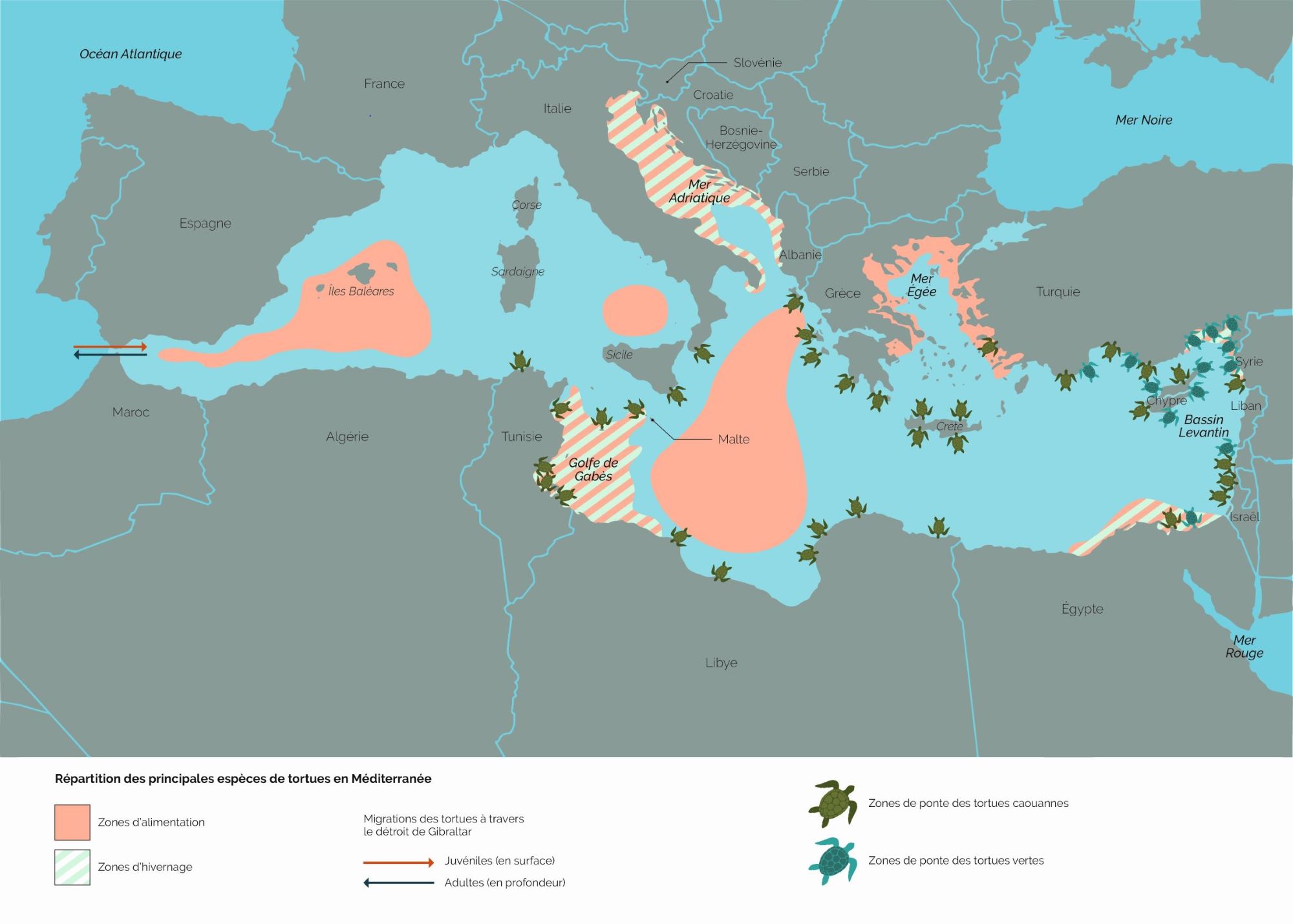
carte Mediterranee Tortues Marines
Distribution of the main turtle species in the Mediterranean Sea

An uneven geographical distribution

Loggerhead, green and leatherback turtles are found throughout the Mediterranean, but their distribution is uneven depending on the species and the time of year.

The loggerhead occupies the whole basin but seems to be more abundant in the western part, from the Alboran Sea to the Balearic Islands. It is also found off Libya, Egypt and Turkey.

The green turtle is concentrated further east, in the Levantine Basin. It also occurs in the Adriatic Sea and more rarely in the western Mediterranean.

The leatherback turtle is observed in the open sea throughout the basin, with a more marked presence in the Tyrrhenian Sea, the Aegean Sea and around the Strait of Sicily.

Only two species breed in the the Mediterranean

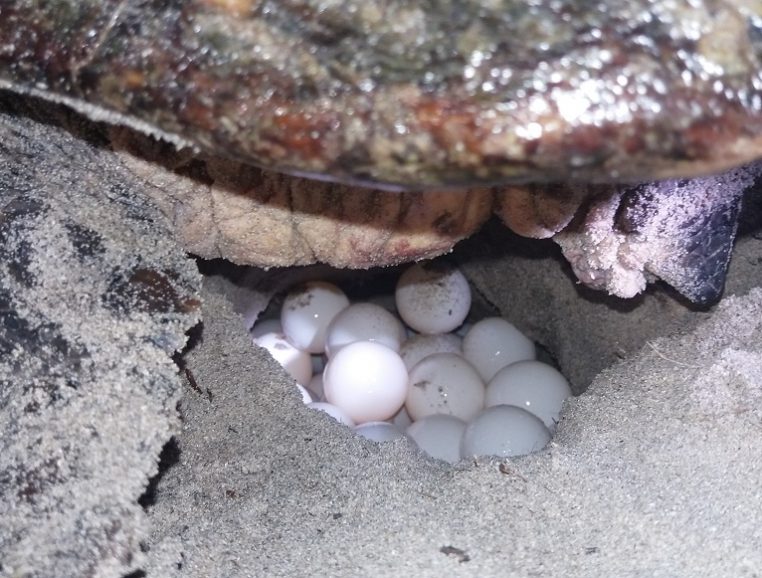
The loggerhead and green turtles are the only turtles to breed in the Mediterranean, mainly in the eastern part. For the loggerhead, the sites are located in Greece, Turkey, Libya, Tunisia, Cyprus and southern Italy.

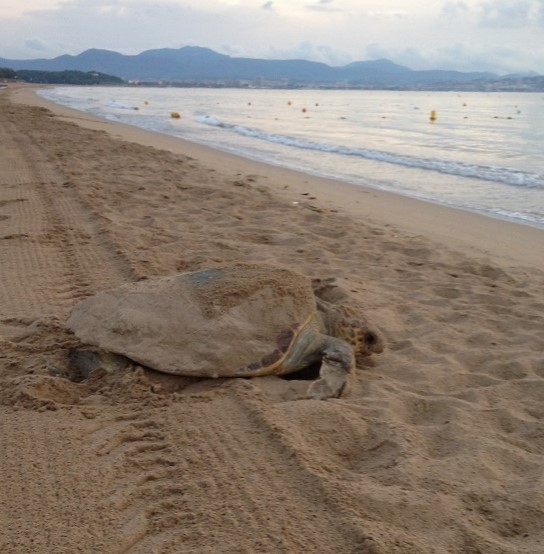
In recent years, egg-laying has been observed in the west of the basin, along the Spanish coast, in Catalonia, but also in France, in Corsica or in the Var!

In 2006, in Saint-Tropez, the nest of a loggerhead was unfortunately destroyed by heavy rain. In Fréjus in 2016, a few new hatchlings had been able to reach the sea thanks to close monitoring by teams from the French Mediterranean Sea Turtle Network (RTMMF).

In the summer of 2020, two new nests in Fréjus and Saint-Aygulf made the headlines, especially since several dozen baby turtles were born!

Tortues en Méditerranée
Une tortue est venue pondre en 2016 sur une plage près de Fréjus © Carole Ida Vois

what do the scientists say?

From a scientific point of view, it is too early to draw conclusions on the “why” of these clutches.

Are more females nesting in this, the northernmost area for loggerheads to lay their eggs? Is there more compliance pressure from sea users? Is it a combination of several phenomena?

It’s hard to say… It seems quite clear, however, that civil society is becoming more aware of the presence of turtles and – hopefully – more concerned about the future of these fragile heritage animals.

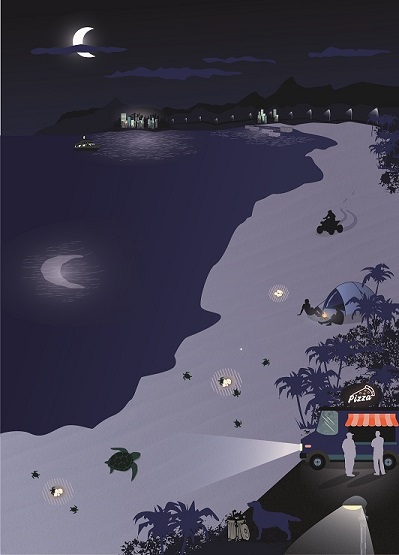
If the turtles come to lay their eggs on our beaches, it is up to us to give them some space, to create less disturbance at night and to adapt the beach lighting which can dissuade the females and disorient the juveniles.

Tortues en Méditerranée
Coastal light pollution © Claire Harquet - Oceanographic Institute
Tortues en Méditerranée
Ponte de tortues

‘Homing’, the innate ability to return home

Genetic analyses prove it: not all loggerheads observed in the Mediterranean are born there!

About half of them would be born in the Atlantic Ocean on the coasts of Florida, Georgia, Virginia or in Cabo Verde. They are born on these remote beaches, enter the Mediterranean via the Strait of Gibraltar to feed, and when they are adults, return to the beach where they were born in the Atlantic to lay their eggs.

The situation for green turtles is different. All those who live in the Mediterranean were born there. Their population is therefore genetically isolated, with no connection to other green turtle populations elsewhere in the world.

Poor genetic mixing for loggerheads

Until the end of the last great ice age, 12,000 years ago, the cold climatic conditions in the Mediterranean did not allow loggerhead turtles to settle or feed, let alone reproduce .

Incubation of eggs is only possible if a temperature of 25°C is maintained for a minimum of 60 days. It was only when temperatures stabilized at levels close to present-day climatology that the Atlantic loggerhead turtles, which had remained in warmer areas during the ice age, were able to colonize the Mediterranean.

Their presence in the Mediterranean is therefore – relatively – recent.

How many turtles in the Mediterranean?

This is a difficult question to answer! There is no technological way to count all the marine turtles present in such a large maritime area, especially as these great migrants are constantly moving from one area to another.

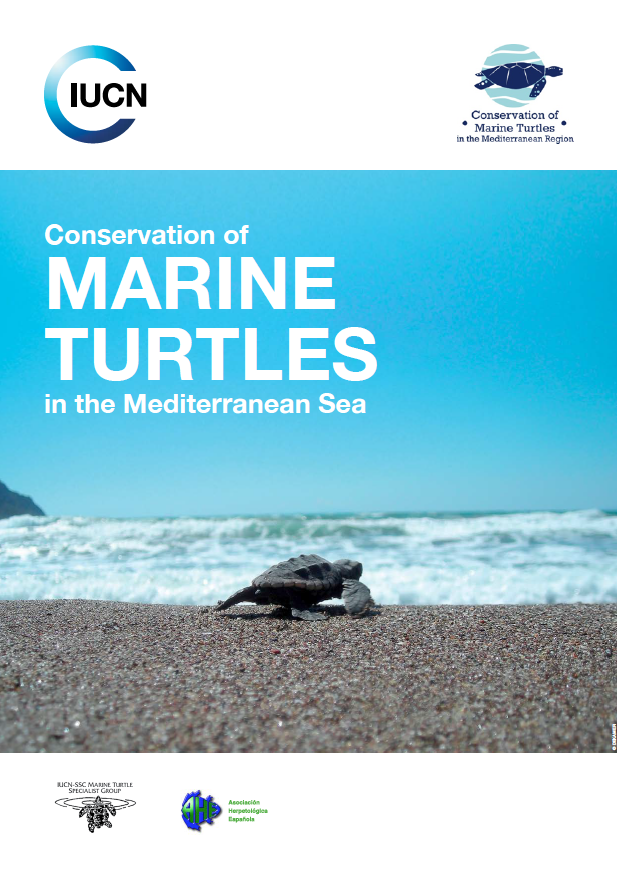
Knowing the abundance of turtles is a priority in scientific research aimed at conserving marine turtles in the Mediterranean. This is one of the many conclusions of the recent IUCN report, which also gives some estimates: there are between 1.2 and 2.4 million loggerhead turtles in the Mediterranean and green turtles are estimated to be between 262,000 and 1,300,000; extremely wide ranges due to the difficulty of conducting censuses.

While counting individuals at sea is illusory, it is possible to monitor the number of females coming to lay eggs, beach by beach, year after year. Nearly 2,000 loggerheads come ashore to lay eggs, mainly in the Levantine basin (Greece, Turkey, Cyprus and Libya).

Good news, the number of clutches is increasing! On about twenty reference sites, the annual average has increased from 3,693 nests per year before 1999 to 4,667 after 2000, an increase of over 26%! The same goes for green turtles. At 7 reference sites in Cyprus and Turkey, the annual average number of nests increased from 683 to 1,005 between before 1999 and after 2000, i.e. + 47%!

These very positive trends show that conservation efforts are paying off and deserve to be continued and expanded.

Tortues en Méditerranée

WHAT DOES IUCN SAY ABOUT MEDITERRANEAN TURTLES?

This new report sheds new light on the key nesting, feeding and hibernation sites of Mediterranean turtles.

It also proposes a series of recommendations and actions at the basin level for managers, policy makers and the general public.

Priorities include:

  • Strengthen monitoring and protection of nesting areas
  • Conserve priority feeding and hibernation areas (e.g. through Marine Protected Areas) and preserve seasonal migration corridors
  • Reduce by-catches by adapting fishing techniques and training fishermen in the proper way to release caught specimens
  • Fight against all forms of pollution
  • Strengthen the protection networks by actively involving every actor in society (marine professional, fisherman, conservation expert, researcher, political decision-maker or ordinary citizen)
  • Improve the network of rescue and relief centres, which are currently too unevenly distributed and virtually absent from the southern and eastern shores of the Mediterranean.

See also

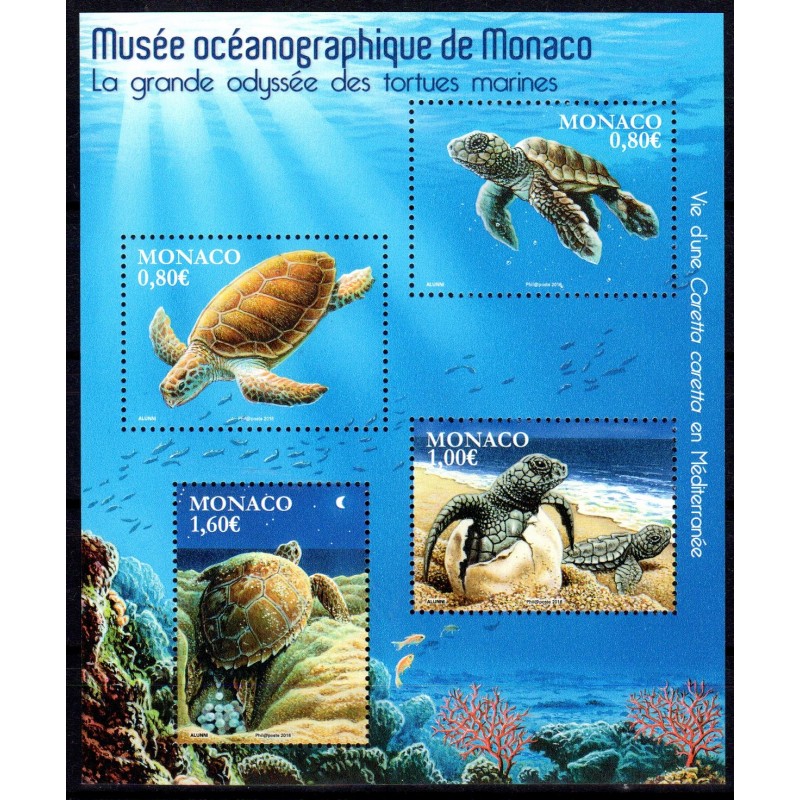
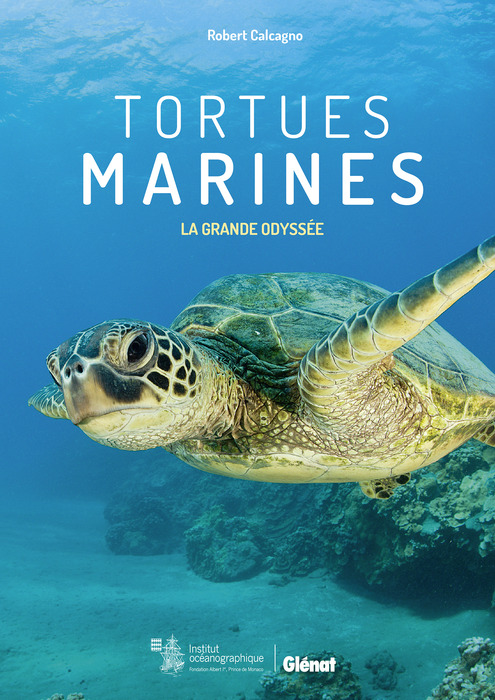
“Tortues marines, la Grande Odyssée”

Marine turtles, the great odyssey: a reference book

Robert Calcagno, director of the Oceanographic Institute of Monaco, signs his tenth book on the theme of oceanography: Tortues marines, la grande odyssée, published by Glénat in 2017. Highly documented, it deals with the evolution of marine turtle populations from their appearance to the present day, drawing the reader’s attention to the environmental changes that threaten their survival today.

The mysterious odyssey of an endangered species

Robert Calcagno, affirms it: “It took only half a century for man to threaten the existence of sea turtles! Symbols of wisdom and longevity, sometimes immortality, sea turtles have fascinated many civilizations.

All seven species of marine turtles are vulnerable or threatened because they are subject to most of the pressures that humans exert on the marine environment. Sea turtles could become extinct due to current environmental changes.

Having appeared 110 million years ago, these great migratory birds still hold many mysteries. To better understand their life cycle, it is necessary to study them while preserving their habitats. To safeguard them, protection solutions at an international level must be considered.

Livre Tortues marines, la grande odyssée
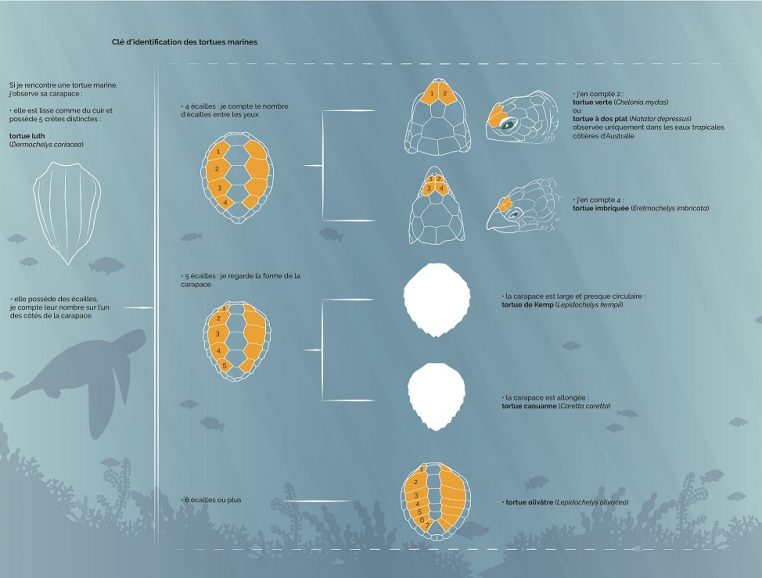
Clés d'identification des espèces de tortues marines © Institut océanographique
Le livre Tortues marines, la grande odyssée
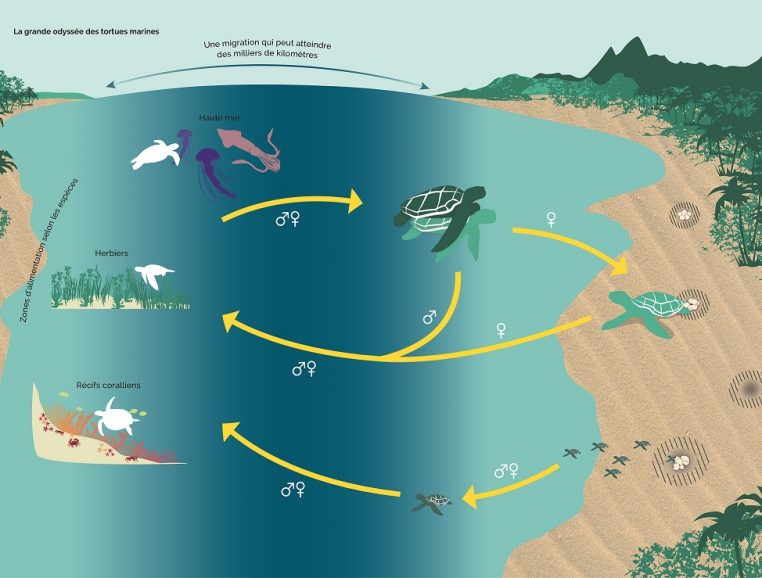
La grande odyssée ou le cycle de vie des tortues marines

A life of travel

At the crossroads of the worlds of water and land, marine turtles are among the animals that still retain a great deal of mystery.

Migrations, mating rituals, mechanisms triggering egg-laying… we still don’t know a lot.

Thanks to the latest technology, scientific research is working to unravel the mysteries that still surround turtles to address the urgent need to ensure their future.

Turtles confronted with our appetite

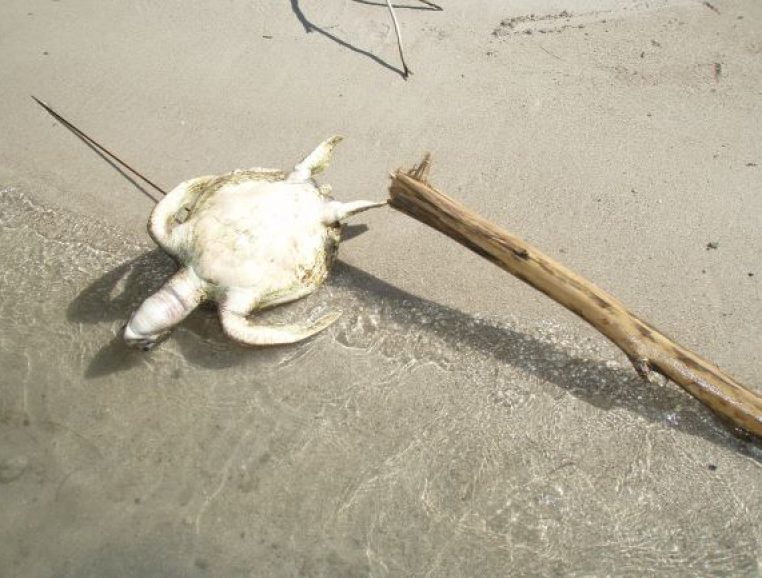
Sea turtle fishing is still allowed in the territorial waters of 42 countries and 42,000 turtles are still caught legally each year.

The consumption of their meat and eggs and the use of their shells are the main reasons for the decline in their populations.

The various protection measures taken in recent decades remain poorly implemented. The plight of the turtles began with overexploitation but is intensifying with man’s hold on the ocean and coastline.

Livre Tortues marines, la grande odyssée
Tortue harponnée
Le livre Tortues marines, la grande odyssée
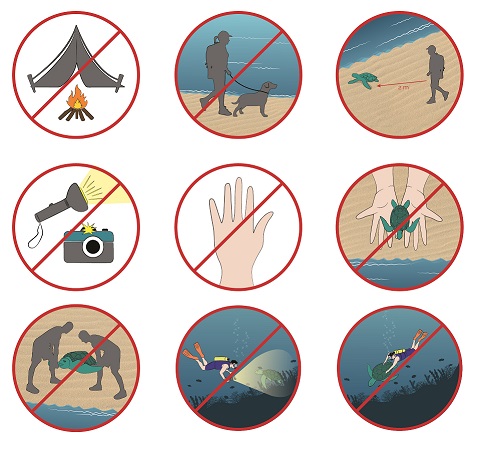
Comment se comporter sur la plage et sous l'eau en cas de rencontre avec une tortue marine ?

Cohabiting with turtles

If we want to save sea turtles, we need to protect them better.

At a time when holidaymakers from all over the world are flocking to the fine sandy beaches, a small part of this Eden must be reserved for the turtles.

This is quite a challenge in view of the fact that the development of tourism on these coasts is seen as an essential lever for economic development.

See also

couverture du livre sur les méduses - Institut océanographique

Editions

Mapping Buyle

Explorations de Monaco

1-1-01-catlin seaview

Questions about the Ocean

The Oceanographic Institute is devoting a massive programme to sea turtles

Mobilization of the Oceanographic Institute for marine turtles

In 2015, a vast program of actions was initiated around marine turtles: to better understand them, to help preserve their habitat, to change our relationship with the sea or to care for them, these are just some of the avenues that the Oceanographic Institute has explored to raise awareness among the public and decision-makers about their situation in the world.

Expeditions for scientific progress

In the great tradition of expeditions initiated by Prince Albert I of Monaco and continued in particular by Commander Cousteau, the Oceanographic Institute of Monaco has conducted campaigns dedicated to turtles: in 2015 in Corsica and in 2016 in the Philippines, in the Tubbataha Reefs National Park.

In 2017, H.S.H. Prince Albert II of Monaco launched the Principality in a program dedicated to ocean knowledge and mediation. This program aims to take, for example by getting involved alongside local actors, as in Cabo Verde in 2017 on an awareness program or by placing beacons in 2018, in Martinique, to better understand the behavior and migrations of turtles.

Photos Prince Philippines
Rana
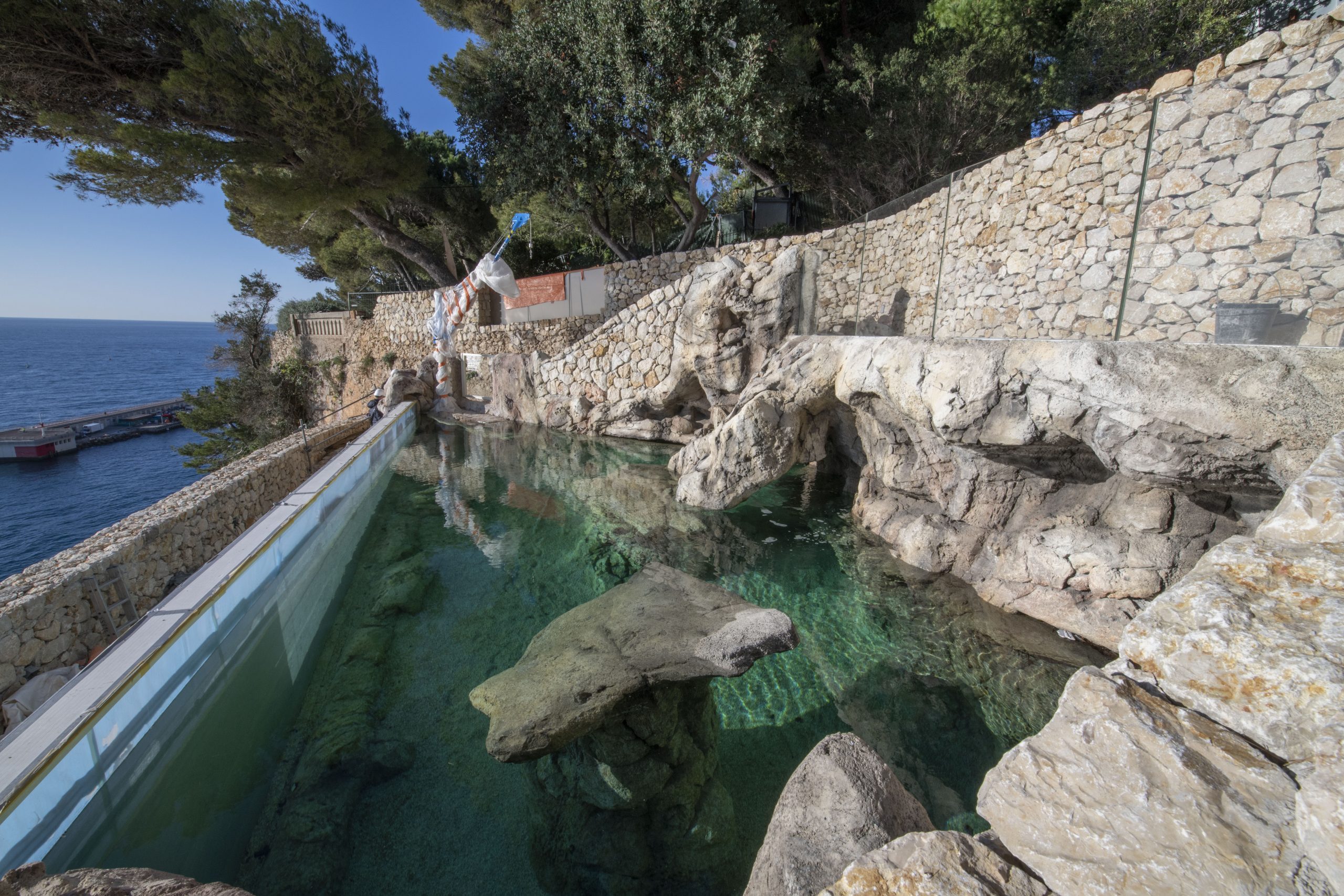
Retrouvée en hypothermie dans le port de Monaco il y a quatre ans, alors qu’elle était encore bébé, Rana est devenue un symbole. Recueillie et soignée par le Musée océanographique de Monaco, Rana fera germer l’idée d’un centre de soins pour les tortues marines, espèce menacée par les pressions que l’homme exerce sur les milieux marins. Aujourd’hui pleinement rétablie, Rana retrouvera son élément naturel le 19 juin prochain. L’histoire commence le 9 avril 2014. Une jeune tortue caouanne* est retrouvée dans le port de Monaco. Affaiblie et proche de la mort, elle mesure une dizaine de centimètres à peine. Elle est alors confiée aux équipes du Musée océanographique de Monaco qui la prennent en charge et lui prodiguent les soins nécessaires à sa survie. L’ambassadrice Rana Baptisée Rana, du nom de sa marraine, une jeune élève passionnée de biologie marine, la tortue reprend des forces au fil des ans et se développe dans les meilleures conditions. En avril 2018, soit quatre ans après sa découverte dans le port de Monaco, Rana mesure 53 centimètres et pèse plus de 20 kg. Elle devient une ambassadrice de la cause des tortues marines, qui malgré leur capital sympathie et leur statut d’espèce protégée, sont menacées par l’activité humaine : accumulation de plastique, surpêche, pollutions, urbanisation, collisions avec les navires etc. Un centre de soins pour les tortues marines Oeuvrant de longue date pour la protection de l’environnement et des océans, le Musée océanographique souhaite apporter sa contribution à la sauvegarde de ces animaux fascinants. Au printemps 2016 naît le projet d’un centre de soins pour recueillir les tortues blessées, en vue de favoriser leur retour à la mer. Situé aux abords du Musée océanographique, il sera composé d’une clinique et d’un bassin de réhabilitation. Les travaux, initiés en octobre 2017, devraient s’achever en fin d’année, pour une ouverture prévue au pr

The ‘protégés’ of the Oceanographic Museum

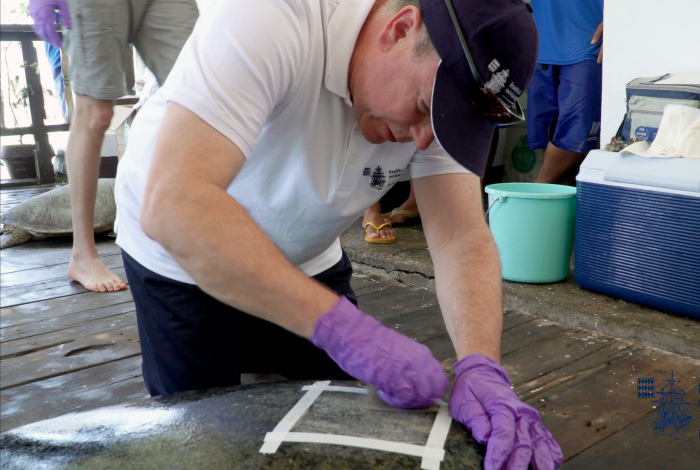
“Leon”, “Lisa”, “Hermance”, “Igor”, “Rana”… Each turtle gets a name when it arrives at the Oceanographic Museum.

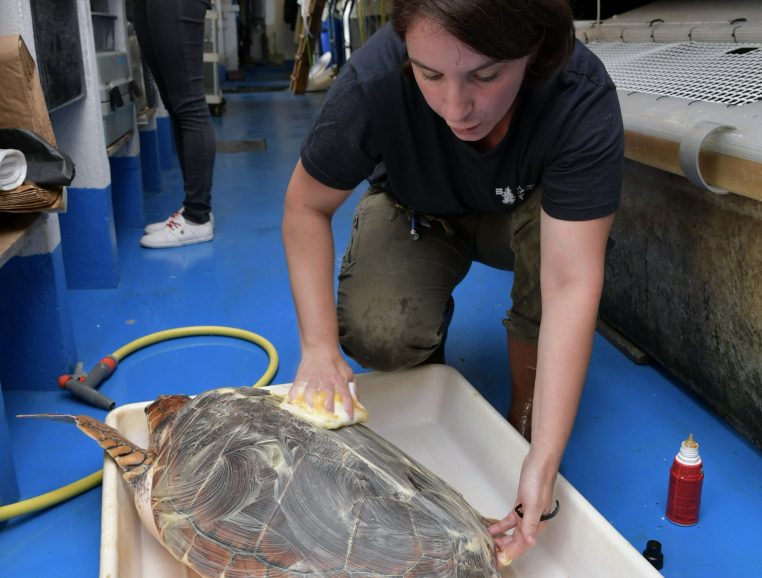
There, they benefit from attentive veterinary care and, if necessary, medical procedures: radiology, surgery, shell repair, etc. Thus cared for and fed, the marine turtles, which are very resistant, recover quickly.

Their return to the sea, often sponsored by a media figure, is also an opportunity to draw the attention of the media and decision-makers to the dangers weighing on the survival of these animals, which are beloved by the general public, and to the challenges of their conservation in the Mediterranean.

Develop local actions on the ground

Within the framework of these thematic programmes, the Institute of Oceanography is creating links and partnerships with many actors in the field.

The Marine Turtles program was an opportunity to get closer to Te mana o te moana, which manages the Marine Turtle Observatory in French Polynesia.

LOGO obs tortues

See also

couverture du livre sur les méduses - Institut océanographique

Editions

1-1-01-catlin seaview

Questions about the Ocean

Albert Ier sur passerelle - Institut Océanographique de Monaco

Key figures

Mediterranean red tuna:

towards an improvement?

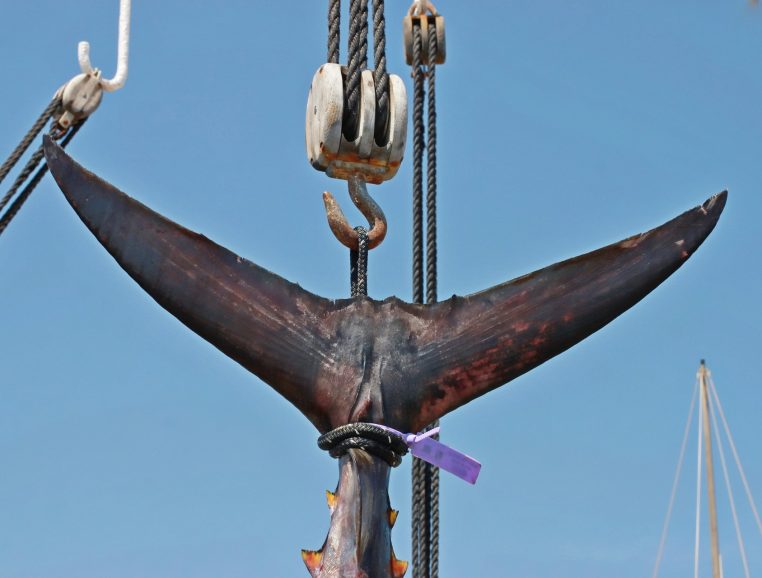
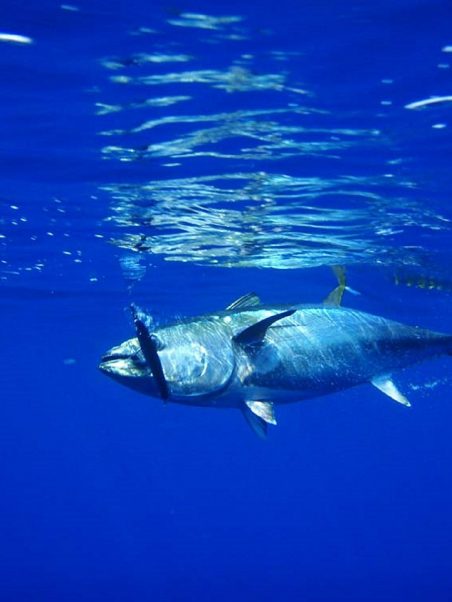
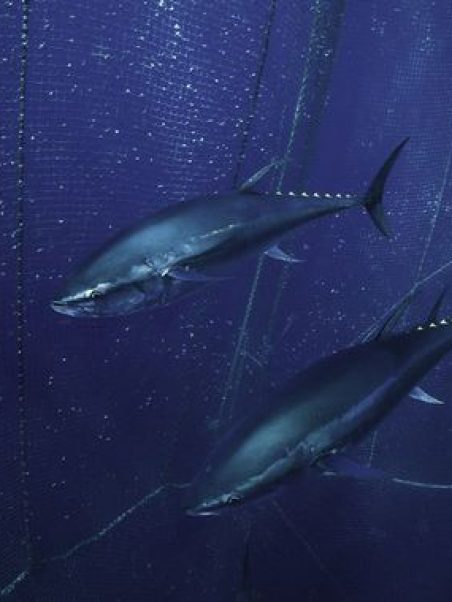
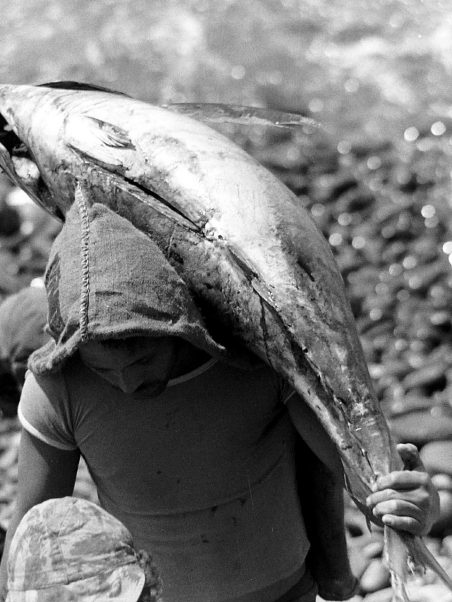
Red tuna is one of the most sought-after fish commercially. Managing red tuna fishing has for a long time been symbolic of the international community’s difficulty in managing this rare and fragile resource sustainably.
Industry professionals and protection associations are striving to get organised in order to preserve stocks.

Refusing to let extinction happen

The International Commission for the Conservation of Atlantic Tunas (ICCAT), founded in 1969, succeeded in imposing the first fishing quotas in 1998. In spite of this, a spike in overfishing during the 2000s gave rise to fears that the species would disappear entirely. An extensive international mobilisation then took place, taken over by Prince Albert II of Monaco and his Foundation.
In partnership with the WWF, the Prince Albert II Foundation was one of the first organisations to raise the alarming state of Mediterranean red tuna stocks on the world stage.
Together with the MC2D association, it convinced the restaurateurs and retail traders of the Principality to stop selling the fish, which was on the brink of extinction.
Alongside the Institut océanographique, it continues to inform and mobilise the general public.

Thon pêche

Powerful lobbying

At the Doha Conference in 2010, the Monaco government officially requested that red tuna be added to CITES Annex I. This proposal was designed to prohibit international trade in the species and consolidate existing sustainable artisanal fishing practices. However, CITES ended up voting against this proposal, under pressure from Japan.
Japan represents 80% of world red tuna consumption and therefore has a powerful lobbying voice. The debates and international media coverage nonetheless increased awareness among all players in the industry.
They promoted the implementation of a genuine management scheme for red tuna fishing. ICCAT reduced fishing quotas from 28,500 to 12,900 tonnes per year, coming into line with recommendations from scientists and conservationists. Quotas are also being increasingly observed by the countries concerned.

IS HOPE RETURNING FOR RED TUNA STOCKS?

Thanks to this jump and to several favourable years, the first hopes that the Mediterranean population of red tuna would stabilise and recover began to emerge in 2012. During its meeting in November 2012, ICCAT decided to follow scientific recommendations and maintained quotas at their existing level, to confirm and consolidate these initial encouraging signs.
These signs of recovery should still be treated with caution, as the 2012 ICCAT report underlines, ”even though the situation has improved [..] there are still uncertainties as to the extent and rate at which the biomass of the breeding stock is increasing.¨

Thon Ombre
Thon peché

THE EMPHASIS IS ON CAUTION

These uncertainties are connected on the one hand to an underestimation of illegal fishing, as ICCAT recognises that red tuna catches were ”seriously under-declared” for at least the past 15 years; on the other hand, poor familiarity with the migratory schemes of red tuna makes it difficult to evaluate the stocks properly.

Improving the traceability of red tuna catches over the coming years thus remains a major challenge. Since 2008, the WWF, supported by the Prince Albert II de Monaco Foundation, has been working to improve knowledge of illegal fishing and stock evaluation.
The WWF thus encouraged ICCAT in 2013 to implement an electronic catch document for red tuna in order to improve the traceability of catches.

How can we protect sharks, which are treated as by-catch?

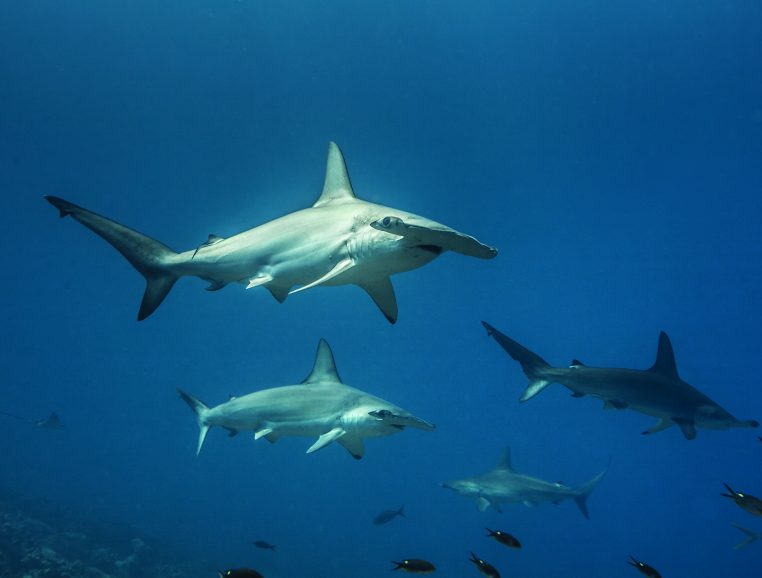
The scope of ICCAT’s actions, however, remains limited. There are some protective measures in place covering swordfish, but sharks continue to be treated as by-catch during tuna fishing. Several species of shark are nonetheless at risk from fishing, particularly in the Mediterranean.

This situation was even recognised by CITES in spring 2013. By entering five new species of shark in its Annex II, CITES thus made international trade in those species contingent on there being a guarantee that the stocks fished would be sustainable. Sharks are, however, beginning to be taken into consideration.
Certain management measures are being applied in Atlantic waters, particularly for mole sharks and some particularly vulnerable species.
Norway has offered to consider the question of adding sharks to the list of species managed by ICCAT. This, on the other hand, will require the joint motivation of all Member States, which remains unlikely to be obtained.

Requins Marteaux
Thon

IS RED TUNA A FUTURE SYMBOL OF GOOD COLLECTIVE MANAGEMENT?

Red tuna is a fragile species and could change from being a symbol of resources being pillaged to a symbol of good shared, collective management, relying on professional scientific data.

The direction taken over the past few years has been good, when the situation was critical. This will however still need to be confirmed by altering quotas to promote the reconstitution of stocks, as well as by the ability of ICCAT to extend its campaign to encompass other endangered species.

The challenge facing this relatively expensive management model is to consolidate itself and apply itself to other species that have less commercial value. This is because the stocks of other large predators are also in decline.

How can we meet demand?

Over and above issues of stock management and the traceability of catches, which are major challenges for ICCAT, other initiatives to secure the future of tuna deserve to be highlighted.

The communication campaign ”red tuna, a story with a future” and the label ”line-caught red tuna from artisanal fishing” were launched in Monaco in 2012 and were supported by the French Ministry of the Environment.
They focus on putting red tuna back on sale as a ”sustainable” fish once again provided that it is fished only to a reasonable extent. Moreover, some European and Japanese scientific projects aimed at ”sustainable aquaculture” suggest the ”domestication” of red tuna:

breeding and raising this species to maturity in captivity would avoid having to capture young red tuna from the wild in order to fatten them up, as has been the practice for a long time.

THE LIMITS OF AQUACULTURE

However, the aquaculture of red tuna carried out for over 30 years in Japan (Kinki University) has turned out not to be profitable. Few Japanese consumers appreciate its products, which are often exported to Taiwan or the USA.

In any event, the question arises of how to breed large predators that themselves need huge quantities of fish in order to grow. Farmed salmon already need 4 kg of ”fodder fish” to gain 1 kg in weight. Red tuna consumes 11 kg of fish for every 1 kg gained! This model is hardly sustainable, and we can get an idea of its limits via the analogy of breeding tigers or wolves for our consumption: it is a good illustration of how people’s tastes for marine animals have developed when they thought that marine resources were infinite.

Today, it would be more interesting economically and ecologically to allow wild stocks to reconstitute themselves and to develop a rigorous and sustainable fishing industry.

Thon Filet de pêche
Thon peche

REASONS FOR HOPING

In conclusion, the latest observations on trends in red tuna populations appear to be encouraging. However, it is still too early to say whether the actual stocks have been restored, which we should know by 2022. The populations of Mediterranean red tuna will be measured again in 2014. This will make it possible to track the progress that has actually been made and clarify decisions with regard to the quotas for coming years.

Until then, caution remains the watchword and considerable efforts must be continued to ensure high-quality and reliable data, the fight against illegal fishing, taking account of accessory fishing and, above all, to support the development of sustainable artisanal fishing.

See also

couverture du livre sur les méduses - Institut océanographique

Publications

Mapping Buyle

Explorations de Monaco

Albert Ier sur passerelle - Institut Océanographique de Monaco

Key figures

Recipes and ideas for sustainable cooking

From short distribution circuits to responsible fishing techniques, there are solutions for consuming seafood in a sustainable manner. Hake, sardines, mackerel…if you are short on ideas for cooking some less-threatened species of fish, some websites can help.

Poiscaille, the short distribution circuit for seafood products

Poiscaille is an online store that offers “fish and seafood baskets”, based on the model of fruit and vegetable baskets sold by local farmers.

The products are caught by local fishermen and delivered to relay points once a week. All the fishermen are presented on the site with elements of traceability of the fish caught in a sustainable way (line fishing, local origin…).

The site also proposes some recipes around mullets, octopuses and other Mediterranean or Atlantic species.

Plateau de fruits de mer

CAN CUISINE HELP PROMOTE SELDOM-EATEN SPECIES?

Many players in the fisheries sector are working to raise awareness of the need to consume sustainable products. This awareness-raising is done through the plate with the publication of various and varied recipe booklets.
The aim is to enhance the value of unusual species of fish or seafood such as cockles or mussels.
The range of seafood products is much wider than the usual tuna, salmon or cod! Consumers can discover and learn how to cook less endangered species in a simple way.

Poissons sur un étal
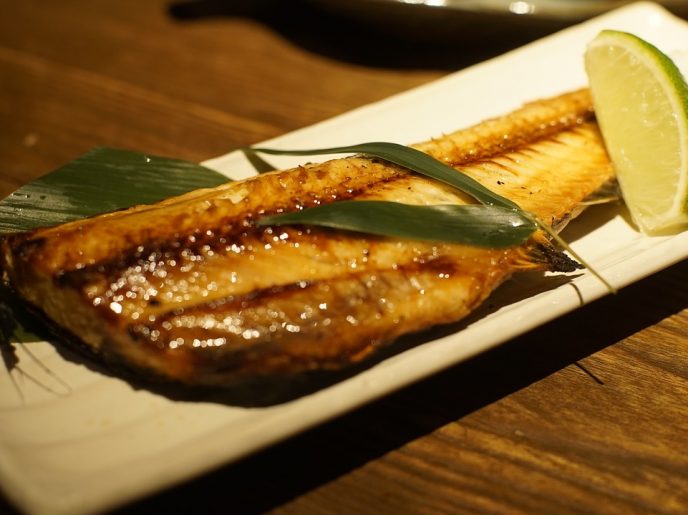
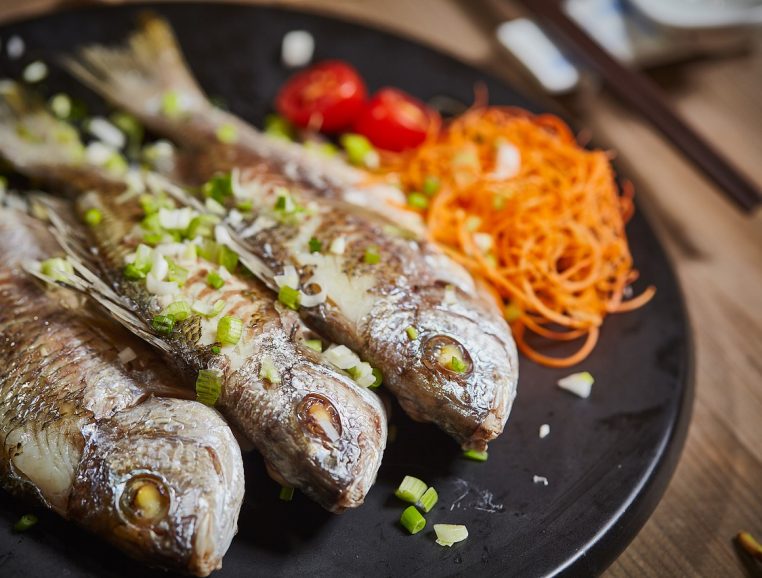
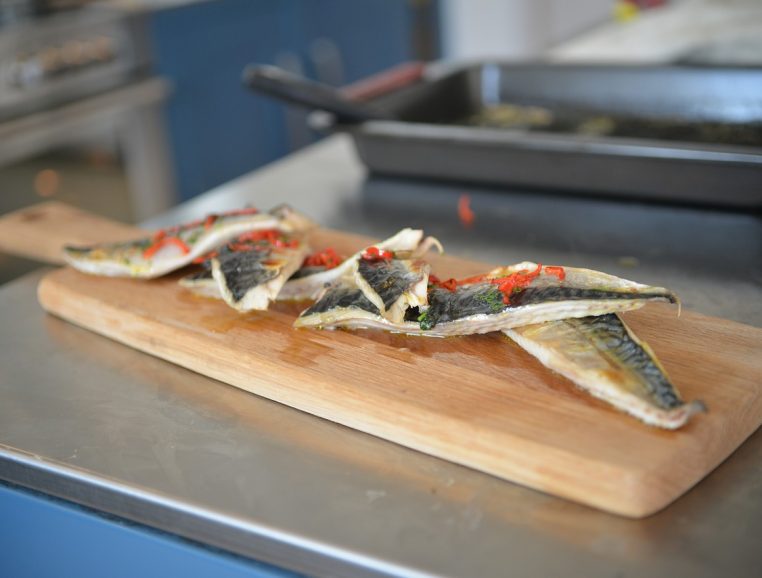
Poisson grillé

CHANGE YOUR HABITS BY CHANGING YOUR FISH!

In order to divert the consumer from his or her usual habits, it is necessary to attract his or her attention to new products that are accessible and easy to find on the shelves.
Raising consumer awareness to change demand is the intention of the Ministry of Sustainable Development, which in 2015 published a recipe booklet featuring squid, pout, cockles…
The objective is to enhance the consumption of species that are not widely consumed or are less vulnerable because they are lower down the food chain.

300 simple recipes for cooking with fish products

With Pavillon France, the French fishing industry is getting organized to promote all the products from the fishing industry, even the lesser known ones. They propose an online recipe catalogue to enhance the value of small fish and seafood with species present in both the Atlantic and the Mediterranean, whose stocks are less fragile.

Fruits de mer

Sustainable recipes from the MSC

The Marine Steward Council is a label certifying over 300 fisheries.
Its actions focus on sustainable fisheries management and minimal environmental impact. Products bearing the label are traceable, sustainably fished and help support local fishermen.

The MSC publishes on its website original recipes from amateurs and chefs for cooking crab, plaice or herring.

Cook your own catch!

Whether amateurs or professionals, the “Responsible Fishermen for Sustainable Fishing” wish to promote fishing methods that respect the environment.

The collective puts online recipes for cooking species that are rarely found on supermarket shelves. For example, garfish, meagre or scallops are not well known and are not very popular with the food industry.

Poisson
Cuisine de poissons

Stewing the sea, 30 recipes for sustainable fishing

“The lesser known species of fish, molluscs and crustaceans are worthy of our cuisine and our table.” This is the message of this collective work by Ifremer scientists, a chef and an artist to eat better, more varied and respecting the sea…

This recipe book aims to empower each consumer to make more informed choices and thus become a protector of the marine environment.

Committed brands

Finally, since 2016, some large retailers have been taking more reasoned approaches. The fish departments ofCarrefour brand are, for example, certified responsible by the MSC sustainable fishing and
CSA
responsible aquaculture. The
Casino Group
supports sustainable tuna fishing. Both brands offer MSC-certified sustainable fishing products.

See also

couverture du livre sur les méduses - Institut océanographique

Editions

1-1-01-catlin seaview

Questions about the Ocean

Albert Ier sur passerelle - Institut Océanographique de Monaco

Key figures

We won't be able to eat fish in 2048?

In January 2017, Robert Calcagno, Managing Director of the Oceanographic Institute, gave an interview to the Atlantico website on the alarming state of fish stocks. Overfishing, overconsumption, pollution, an absence of checks and balances internationally…the risks faced by marine species in the short and medium term are numerous.

Is unlimited fishing leading to a collapse in stocks?

According to a WWF study, if nothing is done to counteract the phenomenon of overfishing, by 2048, all fish stocks could collapse. This change is irreversible unless we drastically change the way we use ocean wildlife. What would be the consequences of this ecological and climatic disaster and how would it manifest itself in our daily lives?

The disappearance of fish, or at least of some fish, is unfortunately not the scenario of a disaster movie, but a sad reality! Overfishing is a long process that has spread throughout the world. Prince Albert I of Monaco was already concerned in 1921 about the ravages of the first steam trawlers along the European coasts and feared that thousands of fishermen would become unemployed. Biologist Daniel Pauly, one of the world’s leading fisheries scientists, who we actually awarded the Albert I Grand Medal to in November 2016, has shown how fishing has intensified around the world beyond reason.

Requins Focus

From the mid-1980s onwards, global catches began to decline slightly, even as fishing effort continued to grow rapidly. We call this problem “peak fish”: more effort and fewer fish.

It is an ecological disaster, but also a human one, because fishing feeds or supports hundreds of millions of people throughout the world, and it is the most fragile who suffer first from the scarcity of fish, while, until now, the phenomenon is almost invisible to us: species fished further away, deeper, appear on the shelves while easily accessible stocks decline. Where we see only a small increase in prices, the survival of millions of people is at stake. The interaction between ocean and climate is a very dynamic field of study. Many studies aim to quantify the contribution of fish to the sustainable storage of carbon at the bottom of the sea. Conversely, global warming will decrease the productivity of tropical waters, on which the most vulnerable populations depend!

How can consumers prevent this catastrophe?

Already today, many restaurateurs import fish from across the continents because of the difficulties they have in finding quality products. Apart from the ecological disaster that this implies, is this a more concrete sign that the shortage is already increasing?

Fish has long been the main commodity traded internationally. In France, as in Europe, 70% of seafood products are imported. It is less a question of quality, which remains very good for local products, than of quantity: we are consuming more and more seafood, while the productivity of the ocean is naturally limited… When we ourselves have not pushed the stocks to collapse.

Globally, aquaculture has taken over from declining fisheries and provides about as much food as fisheries. But in Europe, it remains very limited, with the exception of Norwegian salmon. We don’t like the sight of fish farms along our coastline, so we’re going to look for them on the other side of the world!

2048 is a date that still seems far away in the collective imagination. What could be done to raise awareness of this phenomenon more effectively?

The very brutal disaster scenarios have the superficial advantage of attracting attention, of marking the minds, but I do not share the too frequent use, and sometimes caricature, of this process.

We know that catastrophism does not convince or mobilize. We must move on to positive solutions, open doors, show the way. This is why the Oceanographic Institute explains the general issues of fishing and quickly directs the public to practical advice on how to act by consuming better.

Labels exist to identify the products to be preferred, because their exploitation preserves the resource and the environment. We are partnering with WWF, the Marine Stewardship Council (MSC) and the Aquaculture Stewardship Council (ASC) for Responsible Fishing Week at the end of February and will be offering information and advice. In a broader sense, let us avoid excesses. This is not unique to fish, which, in moderate doses, is good for health and good for the environment. Fish caught in the sea does not consume fresh water and emits very little CO2, unlike land-based farms, especially beef! Without necessarily going as far as veganism, let’s moderate our consumption of proteins. But since we’re talking about day-to-day commitment, I want to emphasize that it’s not all about fishing.

If we want the sea to remain alive and productive, we must take care of the quality of the water, eliminate the discharge of plastic waste, phytosanitary products which generate dead zones…
DOES OVERFISHING AFFECT EVERY SPECIES OF FISH?

Already in 2013, 90% of Pacific bluefin tuna caught were too young to reproduce. What are the impacts of the disappearance of this type of species on local fauna, particularly in terms of deregulation of the food chain? Do you have specific examples?

This is the problem of the fishing boom: over time, after taking the largest specimens of the major species (tuna, but also swordfish, to cite an urgent problem in the Mediterranean), the rest were fished out. That is, other species, sometimes very slow to reproduce, such as deep-sea fish; younger fish when they had not even reproduced yet, or when for many species it is the older fish that are the most fertile.
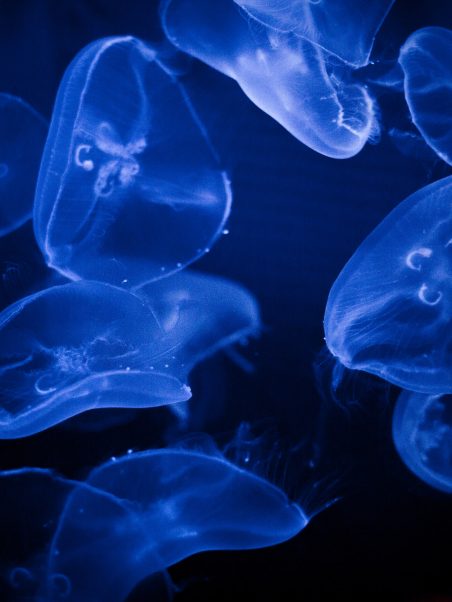
At sea, food interactions are more complicated than in terrestrial chains. For example, some large fish eat jellyfish, which in turn eat the larvae of those same fish.

When humans unbalance the ocean, jellyfish can dominate a region for a long time, as is the case in Namibia.

Exergue // “The principles of good management are simple: firm policy decisions, based on scientific knowledge, but also credible because compliance is monitored.”

Experts are calling for significant action to be taken within the next two years to limit this phenomenon. Is it even possible to achieve this on a global scale in such a short time? What will be the main sources of difficulty?

The fishing power is such that today, we can no longer do without real fisheries management that is serious and respected. Since the most valuable fish, such as tuna, tend to be mobile across borders, it is at the international level that the game is played. Everything can go very fast.

The decline of bluefin tuna in the Mediterranean in the early 2000s was dramatic, and its management was a complete travesty. H.S.H. Prince Albert II of Monaco, alerted by the scientific community and the WWF, sounded the alarm at the political level and, in the space of two years, real management was put in place.
The signs today are encouraging because, to a certain extent, nature is resilient and can return to equilibrium. The principles of good management are simple: firm policy decisions, based on scientific knowledge, but also credible because compliance is monitored. All this requires means, both scientific and control, but we can clearly no longer do without them.
For several centuries, the ocean has seemed unalterable and inexhaustible in terms of limited exploitation. This has largely justified a certain freedom to exploit the sea. This is no longer the case.

Monitoring in order to preserve marine ecosystems better?

What could be done to develop more sustainable ways of fishing? What is already being done?

I was talking about scientific knowledge. In recent decades, it has been used to determine the limits of the fishery. These famous quotas, when respected, allow stocks to recover, as for example in the European waters of the Atlantic.
Quotas do not exist to annoy fishermen, but to protect the resource that supports them.

The next step is to have a true ecosystem approach, which incorporates by-catch (i.e. fishing for animals not directly targeted) to preserve the ecosystem as a whole: adapting fishing techniques to avoid catching turtles or dolphins with the tuna, controlling the quantities caught to leave enough fish for the seabirds… All this may seem very refined, but again, we are putting so much pressure on the planet that we can no longer leave anything to chance.
To reflect on new forms of sustainable management of the ocean and its resources, H.S.H. Prince Albert II launched the Monaco Blue Initiative in 2010. Each year, this platform brings together the world’s leading experts to discuss the various threats and their interactions – from overfishing to ocean acidification or various forms of pollution – as well as the technical, legal and political solutions to respond to them, through, for example, the establishment of marine protected areas, or sustainable fishing and aquaculture.

See also

couverture du livre sur les méduses - Institut océanographique

Editions

Mapping Buyle

Explorations de Monaco

1-1-01-catlin seaview

Questions about the Ocean

Fish and seafood

How can you consume less but better?

Faced with global overconsumption, the Oceanographic Institute defends the idea that we should reduce the overall meat content of our diet. Whether in the form of red meat or fish, Westerners now consume more protein than necessary. This imbalance is the cause of numerous sanitary and environmental problems.

Should we moderate our fish intake?

The rise in living standards has caused fish consumption to grow twice as fast as the world’s population. The amount of fish taken exceeds our real needs. Revisiting our economic and social model to relieve the pressure on the planet is becoming urgent.
With this in mind, it is advisable to limit the consumption of large predators such as bluefin tuna, swordfish or salmon, but also tropical shrimp, all of which are generally overfished in the natural environment. Their breeding also poses many environmental problems (pollution, diseases, etc.).

Avoiding the smaller individuals may encourage fishermen to catch only the larger ones and thus allow the stocks to renew themselves. In any case, four species should be avoided as a priority because they are on the verge of extinction: swordfish, shark, bluefin tuna and eel.

Are small fish the solution ?

Small” fish, located at the bottom of the food chain, are to be favoured: sardines, mackerel or mullet are indeed much better directly on the consumer’s plate than to feed carnivorous fish farms.
Small fish contain fewer pollutants, which are also harmful to humans, than their predator fish: the toxic products present in sea water accumulate as the food pyramid progresses and are more concentrated at the top, in large predators.

WHY IS FARMING ALSO A SOURCE OF POLLUTION?

Aquaculture is not an evil, when it is supervised. Man developed animal husbandry on earth 10,000 years ago.

Today, the limit reached (and exceeded) for marine fisheries creates the same need for aquaculture.
However, the excesses of intensive farming must be avoided and both the farming conditions and the feeding of the fish must be controlled.
It is better to prefer herbivorous fish, or to accept an alternative diet to fishmeal for carnivores, even if this may seem less natural.

TIPS AND TRICKS FOR CONSUMING MORE RESPONSIBLY AND SUSTAINABLY

For both farmed fish and sea fishing, labels are used to identify the most acceptable solutions.

The “sustainability” of fishing depends on many factors: species, but also location, season, fishing technique, etc. Faced with this complexity, labels provide useful information. However, they are not all equivalent and it is necessary to know them to understand their framework and their limits.

It is always advisable to favour local fishing or production. This makes it possible to take advantage of the French and European regulatory framework and to give a boost to employment. Water quality is essential and must be protected. It is affected by various types of pollution, often from land and human activities.

Plastics and various wastes, phytosanitary products and endocrine disruptors are pollutants found in the bodies of fish. Human activities also produce CO2 that acidifies the ocean, permanently changing the marine environment.

See also

couverture du livre sur les méduses - Institut océanographique

Editions

Mapping Buyle

Explorations de Monaco

1-1-01-catlin seaview

Questions about the Ocean

Threats to the poles

What are the solutions for the Southern Ocean?

At a time when global warming and the acidification of the oceans are leaving no region untouched and when our appetite for natural resources is sharpening, how can we maintain one of the last remaining unspoilt treasures of the planet: the Southern Ocean? This question was the focus of a recent debate meeting at the Maison des Océans in Paris on Thursday 28 November 2013.

The Oceanographic Institute argues in favour of defending the Southern Ocean

The latest international negotiations show that an international consensus is not easy to achieve.

In 2013, the Commission for the Conservation of Antarctic Marine Living Resources (CCAMLR) failed for the third time since 2012 to meet its commitment to establish marine protected areas in the Southern Ocean. However, many States remain committed to strengthening the protection of the poles. A few months later, the Oceanographic Institute organized a meeting-debate at the Maison des Océans in Paris to help fill this gap.

Robert Calcagno, Director General of the Oceanographic Institute, believes that “it is now time to regain this momentum, which goes beyond today’s appetites, so as not to rob future generations of one of the last wild spaces on our blue planet”.

Essential questions defended by A-list names

Is this the end of this ocean, which has remained one of the wildest spaces on the planet, preserved from human excesses?
What is happening to the exceptional management model that has so far maintained the balance between fishing and ecosystem preservation?

These issues were the subject of much debate at this meeting organized by the Oceanographic Institute, with the participation of leading figures:

Michel Rocard, former Prime Minister and Ambassador of France in charge of international negotiations on the Arctic and Antarctic poles. He was able to give an outstanding account of the history and prospects of CCAMLR and the Antarctic Treaty System.


Robert Calcagno
Director General of the Oceanographic Institute. He moderated a round table discussion with the three French Southern Ocean experts who took part in the latest negotiations:

– Philippe Koubbi, researcher at the Pierre and Marie Curie University, French representative to the CCAMLR scientific committee,
– Olivier Guyonvarch, Deputy Director of the Law of the Sea, River Law and Poles at the Ministry of Foreign Affairs
– Stéphanie Belna, Head of the Polar and Marine Environment Mission at the Ministry of Ecology, Sustainable Development and Energy

WHY IS CREATING PMAS ESSENTIAL FOR THE SURVIVAL OF THE OCEANS?

The creation of large marine protected areas allows for better regulation of fisheries and other activities, but also for better monitoring of the effects of global change by protecting some areas from local damage.

Numerous studies have highlighted the multiple benefits of MPAs, and the need for them has been proven. “Reclaiming our common heritage and re-launching international commitment” are two essential actions that must be implemented quickly, pleads Robert Calcagno in an exceptional article written at the end of this meeting.

See also

couverture du livre sur les méduses - Institut océanographique

Editions

Mapping Buyle

Explorations de Monaco

1-1-01-catlin seaview

Questions about the Ocean

What does the future hold for Antarctica?

The conference “Antarctica Today and Tomorrow” took place in Paris, France on 29 June 2017, hosted by the Oceanographic Institute of Monaco at the Maison des Océans. This gathering was organized on a specific date: the first anniversary of the death of Michel Rocard, a great defender of the poles. The event brought together 250 participants from all walks of life: governments, civil society, associations, etc. This symposium was organised with a specific aim: to create a new marine protected area in Antarctica.

The Antarctic and the Southern Ocean changing radically?

During the panel discussion “Antarctica and the Southern Ocean in a Changing Environment”, Thomas Stocker, Co-Chair of IPCC Working Group I, stated that 147 billion tons of freshwater are lost annually in Antarctica.
Françoise Gaill, Scientific Director, Ocean and Climate Platform, also mentioned abrupt changes in Antarctica, such as the decline of the emperor penguin population due to the disappearance of the ice cover.

Requins Focus

A major challenge: creating a new protected marine area

Organised by the Antarctic and Southern Ocean Coalition (ASOC) with the financial support of the Prince Albert II of Monaco Foundation, the Pew Charitable Trusts, and in partnership with the Oceanographic Institute of Monaco, the symposium was attended by around 250 people at the Maison des Océans in Paris.

Robert Calcagno, Director General of the Institute, explains that the conference aims to support and raise awareness of the proposal by Australia, France and EU partners to establish a new MPA in East Antarctica.
A panel discussion entitled “MPAs, Antarctica and the Southern Ocean” discussed the many benefits of establishing a new MPA.

THE ANTARCTIC TREATY: WHY IS IT A SUCCESS STORY?

In the morning, after an opening ceremony, the first round table entitled “Lessons learned from a successful Franco-Australian experience, thirty years later – From the Wellington Convention to the Madrid Protocol” was held.

The global response to the need for an international framework for Antarctic activities began with the adoption of the Antarctic Treaty, signed in Washington DC, USA, on 1 December 1959.
The main objective was to ensure that “in the interests of all mankind, the Antarctic will continue to be used exclusively for peaceful purposes and will not become the scene or object of international discord”.

On 4 October 1991, this treaty was supplemented by the Protocol on Environmental Protection, also known as the Madrid Protocol. Today, thanks to these multilateral agreements, Antarctica is a place of peace and scientific collaboration. This experience demonstrates the possibility of international agreement on such vital issues as environmental protection.

THE ROSS SEA, OR THE EMERGENCE OF THE LARGEST PMA

In October 2016, after several years of discussion, members of the Commission for the Conservation of Antarctic Marine Living Resources (CCRVMA) agreed to designate a 1.55 million km² area as a Ross Sea Marine Protected Area.
This MPA came into effect on December 1, 2017 and limits certain activities entirely, in order to achieve specific conservation goals. The Ross Sea Region MPA is the second of its kind to be adopted, and the largest to date.

In a video, Prince Albert II of Monaco welcomed the designation of the Ross Sea MPA and said it was “an incentive to go further”. He supported the establishment of a network of MPAs in Antarctica, stressing the importance of support from EU partners.

Find out more

The summary of the symposium “Antarctica, Today and Tomorrow”, published by the International Institute for Sustainable Development on Saturday 1 July 2017, is online at this
address
.
Find out the synthesis of the conference, published by the International Institute for Sustainable Development at this
address
.
The conference, entirely filmed, is also available on the
Youtube
of the Institute of Oceanography.

See also

1-1-01-catlin seaview

Questions about the Ocean

Mapping Buyle

Explorations de Monaco

Albert Ier sur passerelle - Institut Océanographique de Monaco

Key figures